The global spirits market is evolving, presenting diverse opportunities for buyers. A key consideration in this sector is the "Spirits Bottle Sizes." According to recent industry reports, the demand for various bottle sizes is influenced by consumer preferences and regional trends. For instance, the 700ml and 750ml sizes dominate markets in Europe and America, while smaller formats, such as 50ml and 100ml, are gaining traction for on-the-go consumption.
Understanding these dynamics is crucial for global buyers. The right bottle size can enhance product visibility and cater to specific consumer needs. Data indicates that about 30% of consumers prefer purchasing smaller bottles for personal use. However, a challenge remains: balancing size with price perception. Large bottles may imply better value, while smaller ones symbolize luxury and portability.
As buyers navigate this complex landscape, they must also reflect on their brand positioning. It's essential to continually assess how bottle sizes align with market demands and consumer behavior. This ongoing evaluation can help identify gaps in the market and ensure that brands meet evolving preferences effectively.
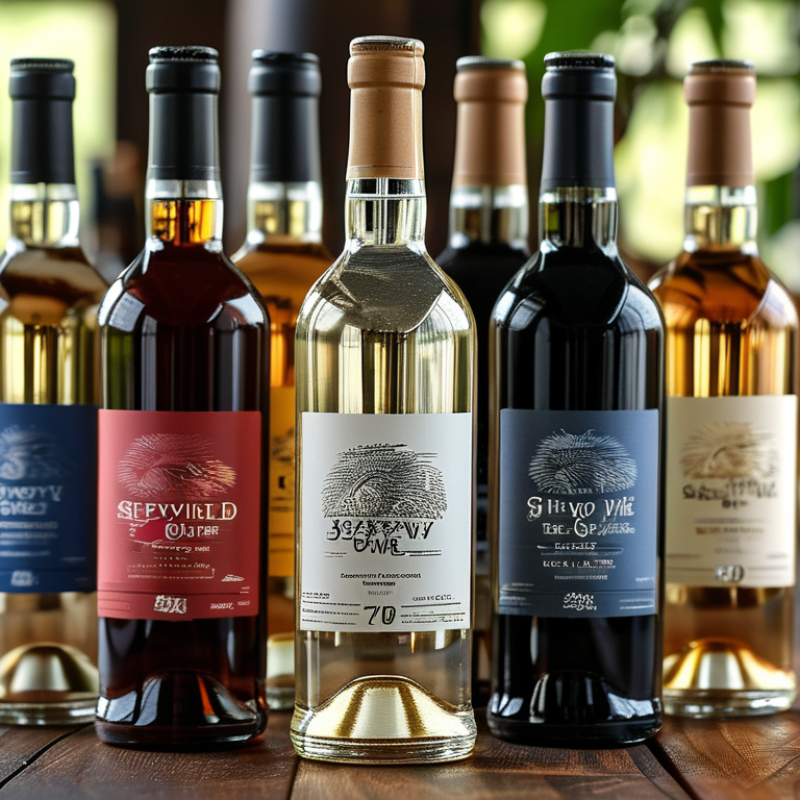
When exploring spirits, bottle sizes influence purchasing decisions. Different markets favor specific sizes based on cultural preferences. For instance, a study by the International Wine and Spirit Research reveals that 750ml bottles dominate in North America. Conversely, the 1-liter bottle is gaining popularity in Europe, where consumers appreciate larger sizes for sharing.
The data indicates that 50% of global spirit sales occur in standard 750ml bottles. However, emerging trends show a shift towards miniatures and larger formats. Smaller 50ml bottles appeal to consumers seeking variety without commitment. Meanwhile, oversized bottles of 1.75 liters cater to parties and gatherings, offering great value.
Yet, the industry faces challenges in standardization. Some markets still utilize unique sizes, complicating inventory management for producers. Discrepancies in bottle shapes and sizes across borders can confuse buyers. A lack of consistency may diminish global appeal. Understanding these nuances is essential for stakeholders navigating the complex landscape of spirit bottle sizes.
When it comes to spirits, bottle size plays a significant role in consumer preferences. Recent industry reports indicate that over 55% of consumers choose a bottle size based on social occasions. Larger sizes, such as 1.75 liters, appeal to those hosting gatherings, while smaller bottles often attract individual buyers or gifts. This trend highlights how bottle size influences both personal and social motivations.
Tips: Consider the occasion when selecting bottle sizes. A smaller bottle might suit intimate dinners, while larger formats cater to parties.
Interestingly, a study found that 70% of consumers indicated they are more likely to purchase if the bottle size matches their lifestyle. Millennials tend to prefer 750ml bottles for personal consumption, reflecting changing social dynamics. Meanwhile, premium spirits in 500ml bottles attract those seeking higher quality in smaller quantities.
Tips: Experiment with various sizes to understand your preference. Smaller bottles can reduce wastage, encouraging mindful consumption.
Yet, bottle size can overlook branding aspects. Some buyers may be drawn to attractive design rather than practicality. In-depth analysis shows that emotional connections to packaging can sway purchasing decisions. This complexity compels brands to reassess their strategies continually.
When it comes to spirits, bottle sizes play a crucial role in consumer choices and industry trends. According to industry data, most spirits are sold in standard sizes like 750ml, 1L, and 1.75L. The 750ml bottle is especially prevalent, often seen as the benchmark for spirits sales globally. Research indicates that over 70% of vodka and whiskey are packaged in this size, making it a preferred option among consumers.
In recent years, larger formats like 1.75L have gained traction. These bottles cater to gatherings and parties, appealing to consumers seeking value. Data from market studies reveal that sales of larger bottles have increased by nearly 15% in the last two years, as buyers look for convenience and shared experiences. On the other hand, smaller sizes, such as 200ml and 375ml, have also found their niche. Craft distilleries often use these formats to introduce new flavors without overwhelming consumers with large quantities.
It’s interesting to note that bottle size preferences can vary by region and culture. For example, in some markets, consumers favor larger sizes for social occasions, while in others, they lean towards smaller bottles for personal enjoyment. This inconsistency highlights the need for brands to adapt their offerings. Understanding these habits can bridge the gap between global buyers and local preferences, ultimately driving sales and brand loyalty.
| Spirit Type | Common Bottle Size (ml) | Common Bottle Size (L) | Usage |
|---|---|---|---|
| Vodka | 700 | 0.7 | Popular for cocktails and mixed drinks |
| Whiskey | 750 | 0.75 | Sipped neat or used in cocktails |
| Rum | 1000 | 1.0 | Used in tropical drinks and cocktails |
| Gin | 500 | 0.5 | Often used in gin and tonic |
| Tequila | 750 | 0.75 | Commonly sipped or used in margaritas |
The debate between miniature and standard bottle sizes offers insights for global buyers. Miniature bottles, typically around 50ml, appeal to consumers seeking variety. They allow buyers to sample different spirits without committing to a full bottle. This trend aligns with data from a recent market analysis showing that 45% of consumers prefer smaller sizes for trying new flavors.
Standard bottles, usually 750ml, provide a different value proposition. The research indicates that 65% of customers opt for standard sizes when hosting events. They appreciate the convenience of larger quantities and gather information from peers regarding quality and price. However, with rising living costs, some buyers question whether they should invest in standard sizes or stick to miniatures.
**Tips:**
When choosing between sizes, consider your consumption habits. If you enjoy exploring, miniatures are ideal. If you often entertain guests, standard bottles may be more practical. Also, reflect on the environmental impact of your choices; larger bottles typically lead to less waste per ounce. Always review retailers’ offerings, as this can impact your decision.
This chart illustrates the popularity of different spirit bottle sizes among global buyers. Miniature bottles (50ml) are favored for sampling, while standard (750ml) bottles dominate general sales. Larger sizes like magnum (1.5L) and jeroboam (3L) cater to events and celebrations.
When exploring spirits packaging, several factors influence global buyers. Consumers often prioritize bottle size for both practicality and aesthetics. Smaller bottles might appeal to casual drinkers. They offer convenience and lower commitment. These bottles cater to those new to spirits or trying to explore various flavors.
Conversely, larger bottles tend to attract serious enthusiasts. They represent value for money and are perfect for gatherings. However, they might also lead to waste if not consumed quickly. This creates a dilemma for buyers. The balance between size and consumption is crucial. Maintaining freshness is key in spirits. Over time, an open bottle can lose flavor.
Environmental considerations also play a role. Sustainable packaging is gaining traction. Many buyers appreciate eco-friendly options. They seek recyclable materials and responsible sourcing. This reflects a growing awareness of environmental impact. Buyers navigate a complex landscape of choices, weighing practicality against personal values and preferences.
merica?
Consumers favor larger sizes for sharing during gatherings and events.
About 50% of global spirits sales occur in standard 750ml bottles.
They appeal to those seeking variety without long-term commitment to a larger size.
Bottles of 1.75 liters are popular for parties, offering great value but can lead to waste.
If not consumed quickly, larger bottles can lose flavor, creating waste.
Many buyers seek sustainable packaging, appreciating eco-friendly and recyclable options.
Unique bottle sizes across markets complicate inventory management and may confuse consumers.
It helps them navigate the complexities in the global spirits market and meet consumer preferences.
Aesthetic appeal in bottle size can attract different types of buyers, casual or serious.
The article "Exploring the Best Spirits Bottle Sizes for Global Buyers" delves into the various spirits bottle sizes available around the world, highlighting how these sizes influence consumer preferences and choices. It examines common bottle sizes specific to different types of spirits, providing insight into standard offerings versus miniature options. The comparative analysis sheds light on the benefits and drawbacks of each size, catering to diverse markets and consumer needs.
Additionally, the article discusses key factors that impact global buyers' decisions regarding spirits packaging. These factors include cultural significance, convenience, and pricing, all of which play a vital role in shaping the preferences for spirits bottle sizes among consumers worldwide. Ultimately, understanding these dynamics is essential for both producers and retailers aiming to optimize their offerings in a competitive landscape.

QLT Glass