How to Choose the Best Stopper For A Bottle That Fits Your Needs?

Time:2026-07-05 Author:Charlotte
0%

Choosing the right stopper for a bottle can seem overwhelming at first. Many types exist, each serving different purposes. Understanding your specific needs is crucial. A suitable stopper for a bottle can enhance functionality and preserve contents effectively.

You might find yourself drawn to specific materials, like cork or silicone. Each type has unique advantages and limitations. For instance, cork offers a classic feel, while silicone can provide a tight seal. Consider what you value most in usage and aesthetics.

Remember, the ideal stopper for a bottle is not always the most expensive option. Sometimes, practicality shines over luxury. Reflecting on your lifestyle and bottle activities is essential. Take the time to evaluate which qualities matter most to you. A careful choice can lead to better experiences with your beverages, making this decision worth your attention.
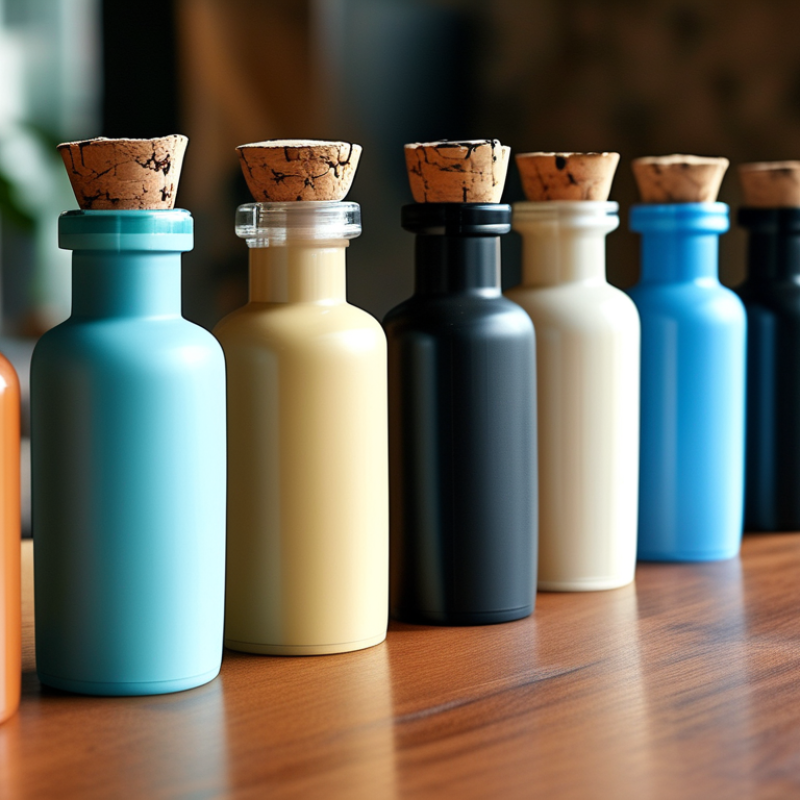
How to Choose the Best Stopper For A Bottle That Fits Your Needs?

Understanding Different Types of Bottle Stoppers and Their Uses

When choosing a bottle stopper, it’s vital to understand the different types available. Cork stoppers are classic and often used for wine bottles. They allow for a small amount of air exchange, making them ideal for aging wines. However, cork can dry out over time. This may cause leaks or spoilage.

Silicone stoppers offer a versatile option. They create an airtight seal and come in various colors and sizes. They are easy to clean and more durable than cork. Another option is plastic stoppers, which are commonly used in smaller bottles. While they are inexpensive and effective, they may not provide the same seal as silicone or cork.

Glass stoppers are aesthetically pleasing and create a tight seal. However, they can be heavy and breakable. Each type of stopper has its strengths and weaknesses. Reflecting on your needs can save you from potential frustrations later. The right choice will enhance your experience, whether storing homemade sauces or high-end wines.

Factors to Consider When Selecting a Bottle Stopper

Choosing the right bottle stopper is essential for various uses. Several factors come into play when selecting the best option for your needs. First, the material matters. Options range from silicone to cork and glass. Each has unique properties that affect sealing performance. For example, cork is traditional and offers breathability, while silicone is more versatile and easier to clean.

Next, consider the bottle size and neck type. Stoppers come in various shapes and sizes, designed for different bottles. A snug fit is crucial to prevent leaks. Some stoppers also offer unique features, like built-in pourers or vacuum seals. These elements can enhance the drinking experience significantly.

Finally, think about your personal preferences. Do you prefer a minimalist design, or do you like something colorful and fun? Reflecting on these details can be beneficial. Sometimes, we overlook the intended use or occasion. An elegant wine stopper might not suit daily use with water bottles. Finding the right balance takes time and thought. Remember, the best choice aligns with your lifestyle and enhances your enjoyment.

Evaluating Material Options for Bottle Stoppers

When selecting a bottle stopper, the material plays a significant role in performance and usability. Common materials include silicone, cork, and glass. Each offers unique benefits. Silicone is flexible and provides an airtight seal, making it great for various liquids. Cork, a traditional choice, allows for some breathability, beneficial for wine storage. Glass, while elegant, is less common but adds a touch of sophistication.

Durability is another consideration. Silicone withstands temperature fluctuations without degrading. Cork can compress or crack over time. Glass, though sturdy, can break if dropped. Choosing the wrong material can lead to leaks or spoilage. Think about how often you'll use the stopper and for which types of bottles.

Reflect on your lifestyle and storage methods. A light, portable stopper may suit a picnic, while a more robust choice is better for everyday use. Sometimes, experimenting with different materials may be necessary to find the perfect fit. Each has its quirks and merits, inviting personal preference into the mix. It's essential to weigh both functionality and personal taste.

How to Choose the Best Stopper For A Bottle That Fits Your Needs? - Evaluating Material Options for Bottle Stoppers

Material Pros Cons Best For
Cork Eco-friendly, good sealing properties Can break down over time, may allow air seepage Wine bottles, spirits
Plastic Lightweight, low-cost, durable Less elegant, may not seal tightly Water bottles, casual use
Metal Durable, modern look, airtight seal Can corrode with time, heavier Craft beers, quality spirits
Silicone Flexible, reusable, good sealing May retain odors, less sturdy than metal Juices, infusions
Glass Elegant, preserves taste, reusable Fragile, heavier than other materials Premium drinks, decorative purposes

Assessing Compatibility with Various Bottle Designs

Choosing the right stopper for your bottle is essential for functionality and convenience. Different bottle designs dictate the types of stoppers that will fit securely. For instance, a narrow neck bottle requires a different stopper than a wide mouth jar. It's crucial to examine the bottle's opening diameter and neck length before selecting a stopper. Ensuring compatibility will prevent leaks and maintain freshness.

Next, consider the material of the stopper. Silicone stoppers offer flexibility, while cork can provide a natural seal. Each material interacts differently with various liquids, influencing taste and quality. Glass stoppers may look elegant but require precise fitting to avoid breakage. Sometimes, finding the perfect match involves trial and error. You may end up with stoppers that don’t fit as expected.

Lastly, think about the stopper's ease of use. Some designs can be tricky to insert or remove, especially for those with limited dexterity. It's important to select a stopper that suits your personal needs and daily usage. If a stopper is too hard to use, it can discourage you from sealing the bottle properly. Evaluate your choices critically, as the right stopper can enhance your overall experience with your bottle.

Maintaining and Caring for Your Chosen Bottle Stopper

Caring for your chosen bottle stopper is crucial for maintaining its efficiency and longevity. Regular cleaning can prevent mold and bacteria buildup. Use warm, soapy water for plastic or rubber stoppers, and a soft cloth for cork stoppers. According to a study from the Beverage Quality Institute, improper maintenance can lead to wine spoilage in 20% of cases. This highlights the importance of sustaining bottle integrity.

Storage is equally vital. Keep stoppers out of direct sunlight to avoid degradation. High temperatures may warp materials, affecting the seal. An industry report by the Glass and Bottle Association suggests that approximately 15% of bottle stoppers fail due to improper storage. Remember, a well-cared-for stopper can enhance the drink’s flavor profile significantly.

However, even with care, stoppers may need replacement over time. Signs of wear can include cracking, altered shape, or loss of flexibility. These can compromise the bottle seal, leading to spoilage. Identify these signs early. Embracing proactive care practices can minimize the risk of disappointing experiences with your favorite beverages.

FAQS

: What factors should I consider when selecting a bottle stopper?

: Material is important. Options include silicone, cork, and glass. Each has different sealing properties.

How does bottle size affect stopper choice?

The stopper needs to fit snugly. Bottles come in various sizes and neck shapes.

Are there additional features in bottle stoppers?

Yes, some have built-in pourers or vacuum seals. These features can improve your drinking experience.

Why is it important to maintain bottle stoppers?

Regular cleaning prevents mold and bacteria. Dirty stoppers can spoil beverages over time.

How should I clean my bottle stopper?

Use warm, soapy water for plastic or rubber stoppers. Soft cloths work well for cork stoppers.

What storage conditions are best for bottle stoppers?

Keep stoppers out of direct sunlight. High temperatures can warp materials and spoil their effectiveness.

How can I tell if my bottle stopper needs replacing?

Look for signs of wear like cracks or changes in shape. These can affect the seal and cause spoilage.

Is it normal for stoppers to require replacement?

Yes, stoppers can wear out over time. Proactive care can help you avoid disappointing experiences.

How does personal preference play a role in choosing a stopper?

Preferences in design matter. Consider if you like minimalistic or colorful options that suit your lifestyle.

Can the wrong stopper ruin my drink?

Absolutely. An unsuitable stopper can compromise flavor and freshness, especially if the seal is poor.

Conclusion

Choosing the right stopper for a bottle is essential for ensuring the integrity and freshness of its contents. Various types of bottle stoppers are available, each designed for specific uses, be it for wine, oils, or other beverages. When selecting a stopper for a bottle, it’s important to consider factors such as material, compatibility with bottle design, and the intended use. Different materials offer distinct benefits, from airtight seals to aesthetic appeal.

Furthermore, compatibility with the bottle’s design is crucial as it impacts the stopper’s efficiency. Maintaining your chosen stopper for a bottle involves proper care and cleaning, ensuring longevity and optimal performance. By understanding these aspects, you can make an informed decision that meets your needs and preserves your bottles effectively.


Charlotte

Charlotte

Charlotte is a seasoned marketing professional with a deep understanding of the company's portfolio and a passion for elevating its presence in the market. With a keen eye for detail and a commitment to excellence, she ensures that our professional blog is regularly updated with insightful articles......