How to Choose the Best Bottle Stoppers For Wine?

Time:2026-07-20 Author:Liam
0%

When it comes to preserving the quality of wine, choosing the right bottle stoppers is crucial. Renowned sommelier Laura Maniec emphasizes, "The right stoppers can enhance your wine experience." Understanding the landscape of bottle stoppers for wine can lead to better storage and tasting.

There are various types of bottle stoppers for wine, each designed for specific needs. Some stoppers are perfect for short-term storage, while others excel in maintaining the wine's integrity over longer periods. It's important to consider the material and design of the stopper, as these factors can influence oxygen exposure and flavor preservation.

However, not all stoppers are created equal. Some may look appealing but fail in function. Reflecting on personal experiences can guide you toward making an informed choice. Ultimately, selecting the best bottle stoppers for wine is a blend of both knowledge and experimentation.
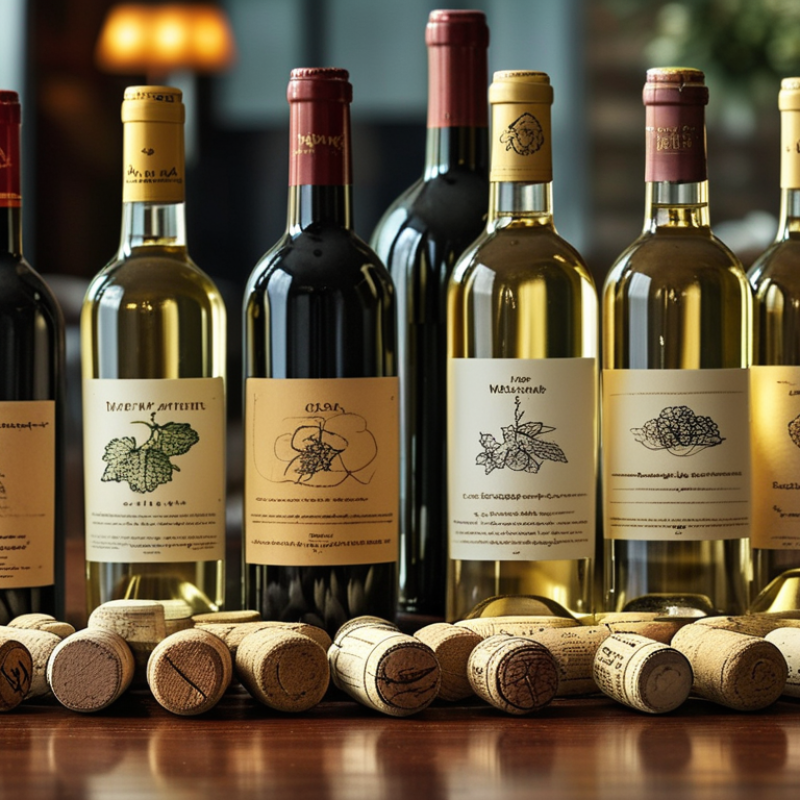
How to Choose the Best Bottle Stoppers For Wine?

Understanding the Importance of Wine Bottle Stoppers

Wine bottle stoppers play a crucial role in preserving wine quality. After opening a bottle, exposure to air can lead to oxidation. This process alters the wine's flavor and aroma. Therefore, a good stopper helps maintain the wine's integrity for a longer period. Different types of stoppers exist, each designed for specific needs. Some create airtight seals, while others focus on ease of use.

Choosing a wine stopper involves understanding these functions. The material is also important. Silicone, cork, and plastic are common options. Silicone stoppers, for example, can be flexible and create tight seals. However, they may not provide the same taste neutrality as cork. These small details can significantly affect your overall wine experience.

For those new to wine tasting, it can be easy to overlook the importance of proper sealing. Reflecting on past experiences may reveal subtle differences. A poorly sealed bottle can lead to disappointing tastes. Being mindful of these aspects contributes to greater enjoyment of wine.

Types of Wine Bottle Stoppers and Their Functions

Choosing the right wine bottle stopper can enhance your wine experience. There are several types available, each with unique functions. Understanding these can help you make an informed choice.

Cork stoppers are traditional and reliable. They allow some air to interact with the wine, aging it gracefully. However, cork can degrade over time, leading to spoilage. Synthetic stoppers, on the other hand, provide a tighter seal. They are less likely to break down but may trap unwanted aromas.

Vacuum stoppers work by removing air from the bottle. This method is effective for short-term preservation. Some people find these stoppers cumbersome and challenge to use. Finally, champagne stoppers, designed to keep sparkling wines fresh, can sometimes fail to maintain their effectiveness, especially after multiple uses. It’s essential to consider how often you consume wine when choosing the right type.

How to Choose the Best Bottle Stoppers For Wine? - Types of Wine Bottle Stoppers and Their Functions

Type of Stopper Material Function Best Used For
Natural Cork Cork Allows for slight oxygen exchange Aging wines
Synthetic Cork Plastic Prevents cork taint Everyday wines
Screw Cap Metal Creates an airtight seal Fresh wines
Glass Stopper Glass Reusable and stylish Presentation wines
Vacuum Stopper Plastic Removes air from the bottle Opened wines

Factors to Consider When Choosing a Bottle Stopper

When selecting the best bottle stoppers for wine, several factors come into play. Quality is crucial. A good stopper should form a tight seal, preventing oxygen exposure. This is vital, as studies have shown that wine can spoil in 3 to 5 days once opened. The Universal Wine Bottle Stopper Report indicates that improper sealing can lead to rapid degradation of wine quality.

Material is another significant aspect. Rubber stoppers are cost-effective but might not last long. Silicone options offer better durability and flexibility. Metal stoppers tend to provide a more elegant look while offering superior sealing capabilities. However, they may come with a higher price tag. A recent survey by the Wine Preservation Association reveals that 62% of wine enthusiasts prefer silicone stoppers for their reliability and ease of use.

User experience is key. Many consumers report challenges with certain designs. Some stoppers can be difficult to insert or remove. A poorly designed stopper can lead to spills or leaks. It’s essential to choose a user-friendly product. Moreover, consider the aesthetics. A visually appealing stopper can enhance your wine display. Ultimately, assessing these factors can ensure you select the best option for preserving your wine.

Material Options for Wine Bottle Stoppers and Their Benefits

Choosing the right material for wine bottle stoppers is essential. Different materials offer distinct benefits. Cork is a traditional choice. It provides a good seal and allows for some air exchange. This helps preserve the wine's flavor over time. However, cork can degrade, which may affect the wine's quality.

Plastic stoppers are another option. They are durable and often more affordable than cork. These stoppers effectively seal the bottle, preventing oxidation. Yet, they might not provide the elegance many wine enthusiasts seek. Some feel they lack the authenticity of natural cork.

Tips: Consider your wine consumption habits. If you drink wine regularly, a reusable stopper may save you money. For occasional use, an affordable plastic option might suffice. Remember the importance of a good seal. A bad stopper will spoil even the best wine. Think about aesthetics too. A beautiful bottle stopper can enhance your wine experience.

Material Options for Wine Bottle Stoppers and Their Benefits

How to Properly Use and Maintain Wine Bottle Stoppers

Properly using wine bottle stoppers significantly affects the longevity of your wine. Research shows that wine can start to oxidize after being exposed to air for just 15 minutes. Therefore, choosing the right stopper is crucial. Ensure that the stopper fits snugly in the bottle. A loose stopper lets air in, impacting the quality.

Regular maintenance of the stopper can also enhance its lifespan. Clean the stopper after each use to avoid residue build-up. Use warm soapy water and a soft cloth. Some professionals recommend avoiding harsh chemicals that could affect wine flavor. A well-maintained stopper can last for years, but you might notice signs of wear. Cracks or warped material are indicators that it’s time to replace it.

Lastly, store stoppers in a cool, dry place. Excess humidity can degrade the material. The temperature should be stable, avoiding extremes. Taking these simple steps can greatly improve the preservation of your wine. Remember, investing in good-quality stoppers pays off by ensuring your wine lasts longer and tastes better.

FAQS

: Why are wine bottle stoppers important?

: They preserve wine quality by preventing oxygen from altering flavor and aroma.

What happens if a bottle is poorly sealed?

A loose stopper allows air in, leading to oxidation and disappointing taste.

How do I choose the right wine stopper?

Look for snug fits and consider materials like silicone, cork, and plastic.

Can all stoppers create airtight seals?

No, different stoppers serve different functions, some focus on ease of use instead.

How should I maintain my wine stoppers?

Clean stoppers regularly with warm, soapy water and avoid harsh chemicals.

What signs indicate that a stopper needs replacing?

Look for cracks or warped material; these indicate wear and reduced effectiveness.

Where is the best place to store wine stoppers?

Store them in a cool, dry place to avoid humidity and extreme temperatures.

How quickly can wine oxidize?

Wine can start oxidizing within just 15 minutes of being exposed to air.

Is there a difference between silicone and cork stoppers?

Yes, silicone may not provide the same taste neutrality as cork despite being flexible.

What can I do to enhance my wine experience?

Mindfully choose stoppers and maintain them to ensure better preservation and enjoyment.

Conclusion

Choosing the best bottle stoppers for wine involves understanding their significance in preserving the quality of opened bottles. Wine bottle stoppers come in various types, each designed to perform specific functions, such as maintaining freshness and preventing oxidation. When selecting a stopper, consider factors like the intended use, compatibility with bottle types, and ease of use.

The material of the bottle stoppers for wine is also crucial, as it impacts their durability and sealing capacity. Common materials include silicone, rubber, and natural cork, each offering unique benefits. Proper use and maintenance of these stoppers are essential to extend their lifespan and effectiveness. By considering these factors, wine enthusiasts can find the most suitable bottle stoppers to enhance their wine experience.


Liam

Liam

Liam is a dedicated marketing professional with a profound expertise in the industry, where he excels at highlighting the unique advantages of our core products. With a keen understanding of market trends and consumer needs, Liam frequently updates our company’s professional blog, providing......