How to Choose the Right 750ml Wine Bottle?

Time:2026-10-13 Author:Henry
0%

Choosing the right 750ml wine bottle is more than selecting a familiar shape. It affects product protection, shelf presence, shipping cost, and environmental performance. The International Organisation of Vine and Wine reported global wine consumption at approximately 221.6 million hectolitres in 2023. That scale makes small packaging decisions commercially significant.

A standard 750ml format suits many still wines and fits established retail expectations. However, bottle weight, glass distribution, closure compatibility, and label dimensions require careful review. Heavier glass can create a premium impression, but it also increases transport weight and handling demands. The Sustainable Packaging Coalition consistently emphasizes material reduction, recyclability, and packaging efficiency as important sustainability principles. These principles should guide the selection of an Ml Bottle Wine, not replace practical testing.

Start with the wine itself. Delicate white wines may benefit from tinted glass and reliable closure protection. Full-bodied red wines often require a stable bottle with enough punt depth for safe handling. The bottle must also suit the filling line, carton design, pallet pattern, and target market. Small details matter.

There is no perfect bottle.

Industry reports provide useful direction, but they cannot predict every supply-chain problem. A bottle that looks elegant in a sample room may perform poorly during transport. Reviewing breakage records, conducting drop tests, and checking supplier specifications can prevent expensive mistakes. This guide examines those decisions clearly, while recognizing that cost, appearance, sustainability, and performance may not always align.

How to Choose the Right 750ml Wine Bottle?

Define the Purpose and Style of the Wine Bottle

A 750ml wine bottle should begin with purpose, not appearance. In packaging evaluations, I ask where the bottle will be used. Restaurant service favors a balanced shape, a stable base, and easy pouring. Retail shelves may need a distinctive silhouette that remains practical to handle. Gift-focused wines can support taller glass, deeper color, or subtle embossing. The bottle must still fit standard cartons and storage racks.

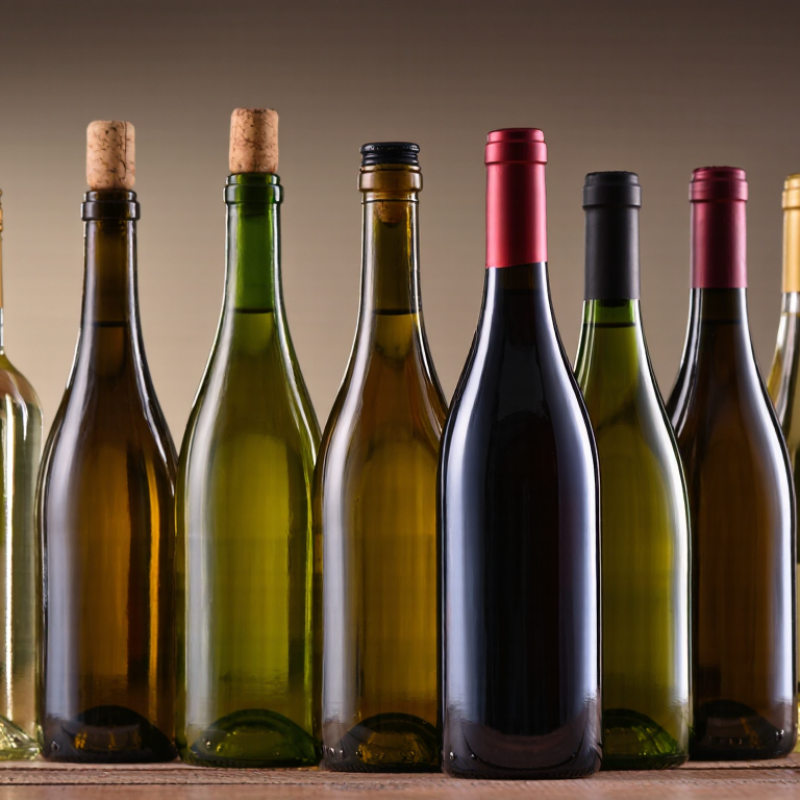
Style should express the wine without making unsupported promises. A clear bottle can highlight pale color and visual freshness. Darker glass offers stronger protection from light-sensitive wines. A narrow, elegant profile may suggest delicacy, while broader shoulders can create a more generous impression. These details influence customer expectations before the cork or closure is opened. The label area also matters. A beautiful curve is useless if it leaves too little room for required information.

Weight deserves careful judgment. Heavier glass can feel substantial, but it increases handling and transport demands. A reliable choice balances presentation, protection, filling-line compatibility, and shipping conditions. I once preferred a dramatic bottle with a heavy base, then noticed how awkwardly it sat in smaller cartons. That mistake changed my evaluation process. Aesthetic appeal is only one part. Closure fit, neck dimensions, surface finish, and resistance to minor impacts deserve equal attention. Small details matter. A 750ml bottle works best when its purpose and visual language support each other.

Compare 750ml Bottle Shapes and Their Functions

Choosing a 750ml wine bottle starts with shape, not decoration.

The OIV estimated global wine production at about 237 million hectolitres in 2023. At that scale, standard dimensions support filling, cartons, pallets, and cellar storage.

Shape matters.

A straight-sided Bordeaux bottle offers efficient stacking and defined shoulders. These shoulders may help collect sediment during pouring, but they cannot replace careful decanting. A sloped Burgundy-style bottle suits fuller, aromatic wines and creates a softer visual profile. It often requires more careful carton design.

Bottle shape also affects glass weight and transport efficiency.

The Sustainable Wine Roundtable’s 2023 Packaging Benchmarking Report identifies packaging as a major source of wine-related emissions. A heavy bottle can feel premium, yet that feeling may increase shipping impact without improving protection.

Sparkling wine needs pressure-resistant glass, thicker walls, and a secure closure system. A deep punt is not proof of quality. It may improve handling, but its value depends on the full bottle design.

In a practical trial, compare filled weight, closure fit, label space, pouring comfort, and pallet stability.

Use test samples. Do not judge an empty bottle alone. FEVE reported an EU glass collection rate of about 80% in 2022, showing why recyclable glass selection deserves attention.

Still, recyclability is only one measure. A narrow bottle may save shelf space but feel unstable during service. A wider bottle may pour smoothly but occupy more cartons.

The right choice is rarely perfect. It should match the wine, route, and actual handling conditions.

Choose the Right Glass, Color, and Closure

How to Choose the Right 750ml Wine Bottle?

Choose the Right Glass, Color, and Closure

A 750ml bottle should feel balanced in the hand, not overly heavy or awkward. Clear glass displays pale wines and helps customers inspect color and clarity. However, it also allows light to reach the wine. Dark green or amber glass offers better protection for light-sensitive wines. Choose the shade according to the wine’s storage needs, not only its appearance. The glass should have an even wall, a stable base, and a clean neck finish. Small defects can create sealing problems later.

Color also shapes the bottle’s identity. Deep green often suggests tradition, while amber can create a warmer, more distinctive presentation. Still, color alone does not protect wine. Storage conditions remain important. A cooler, darker environment usually supports better quality. I have seen attractive packaging receive too much attention while practical handling was ignored. That choice looked good, but it was not fully considered.

The closure must match the wine, filling process, and expected storage period. A natural cork can suit wines designed for gradual development, but its quality and dimensions need careful inspection. Technical closures can provide consistent performance and simpler control. Screw closures offer convenience and dependable sealing when the bottle finish is compatible. The closure should sit firmly without damaging the neck. Test a small production batch before ordering in volume. A perfect specification on paper may still need adjustment after filling, transport, and storage.

Check Compatibility with Storage, Shipping, and Labeling

How to Choose the Right 750ml Wine Bottle?

Check Compatibility with Storage, Shipping, and Labeling

A 750ml bottle should fit your storage system before you place a large order. Measure shelf height, carton depth, and pallet spacing carefully. Small differences in bottle shoulders can reduce usable space. I have seen cartons fit perfectly on paper, then jam during warehouse handling. Leave practical clearance around each bottle. Temperature changes also matter. Glass, closures, and labels should remain stable in your planned storage conditions.

Shipping needs equal attention. Check the bottle’s weight, glass thickness, and resistance to vibration. A lighter bottle may reduce freight costs, but it can need stronger protective packaging. Test a filled sample through realistic handling conditions. Inspect the shoulder, base, and neck afterward. One test is not enough. Repeated trials reveal weaknesses that a clean showroom sample may hide. Do not assume standard cartons suit every 750ml shape.

Tips: Use a physical bottle sample for measurements. Confirm carton cells do not press against labels. Keep label dimensions consistent with the panel’s curve. Ask the supplier for tolerance data, not only nominal measurements. A label that looks centered on a flat drawing may wrinkle near the shoulder. That detail is easy to miss. Also review barcode readability after application, especially on dark or textured materials. Good compatibility is practical, measurable, and sometimes less elegant than expected.

How to Choose the Right 750ml Wine Bottle?

Compare common 750ml bottle profiles by approximate filled shipping mass. A heavier bottle increases freight weight, while a wider or taller profile may affect carton fit, warehouse storage, and label placement.

Typical non-branded specifications: wine content is estimated at approximately 750g per 750ml bottle. Actual bottle dimensions and glass weight vary by supplier, closure, glass thickness, and production specification. Confirm technical drawings before finalizing cartons or labels.

Bottle Style Typical Height Typical Diameter Typical Empty Weight Practical Consideration
Bordeaux Approx. 300mm Approx. 76mm Approx. 450g Efficient for standard cartons and compact pallet storage.
Burgundy Approx. 305mm Approx. 80mm Approx. 500g Wider shoulders require additional label clearance and carton width.
Champagne Approx. 300mm Approx. 88mm Approx. 850g Heavier glass and wider diameter increase shipping and storage requirements.
Alsace Approx. 330mm Approx. 78mm Approx. 450g Tall profile may require taller cartons and more vertical shelf clearance.

Evaluate Suppliers, Costs, and Quality Standards

How to Choose the Right 750ml Wine Bottle?

Choosing a 750ml wine bottle begins with the supplier, not the catalog image. Ask for production records, material specifications, and recent inspection reports. A reliable supplier should explain glass composition, weight tolerance, neck finish, and closure compatibility. Request physical samples before approving a large order. Hold one bottle under bright light. Small bubbles may reveal inconsistent production, although appearance alone cannot prove performance.

Cost needs a wider calculation. Compare the bottle price, mold fees, packing materials, freight, taxes, storage, and breakage allowance. A low unit price can become expensive after damaged cartons and delayed deliveries. Ask for a written quotation with minimum order quantities and lead times. I once focused too heavily on the quoted price. The final landed cost was higher than expected.

Quality standards should match the wine, closure, filling line, and transport conditions. Check dimensions with calibrated tools, especially the mouth finish and base diameter. Ask whether the supplier performs annealing, visual inspection, and batch sampling. Confirm documentation for food-contact suitability and relevant local packaging requirements. For sparkling or pressured products, ordinary wine-bottle specifications may be insufficient. Do not assume heavier glass always means better quality. It can improve strength, but it also raises shipping emissions and handling costs. A practical choice balances consistent dimensions, safe performance, verified paperwork, and a cost your supply chain can actually absorb. Test again. Small trials prevent large regrets.

How to Choose the Right 750ml Wine Bottle? - Evaluate Suppliers, Costs, and Quality Standards

A practical benchmark table for comparing bottle specifications, supplier capability, landed cost, and quality controls.

750ml Wine Bottle Selection and Supplier Evaluation Criteria
Evaluation Dimension Recommended Benchmark Typical Acceptable Range Indicative Cost or Requirement Priority How to Verify
Nominal Capacity 750 ml filled volume 750 ml nominal capacity; confirm the fill-height reference used by the supplier Usually included in the standard bottle quotation High Check technical drawings, calibrated volume tests, and sample measurements.
Bottle Dimensions Dimensions must suit the labeler, case packer, pallet pattern, and storage rack Common wine-bottle heights are approximately 290–335 mm; diameter is commonly about 70–85 mm, depending on the bottle shape Custom dimensions may require a dedicated mold and tooling charge High Approve a dimensional drawing and test samples on the actual packaging line.
Empty Bottle Weight Select the lightest bottle that meets strength and appearance requirements Approximately 350–650 g for many commercial 750 ml glass wine bottles Lower weight can reduce material and freight cost; premium shapes may cost more Medium Weigh at least 10 samples and compare the average and standard deviation with the specification.
Glass Color Use flint, antique green, or other approved glass color according to the wine's light-protection needs Color should remain visually consistent across the production lot Standard colors are generally less expensive than custom colors Medium Use an approved color standard and inspect samples under consistent lighting conditions.
Neck Finish and Closure Fit Match the finish to the selected cork, synthetic closure, screw cap, or sparkling-wine closure Verify finish type, neck dimensions, sealing surface, and closure compatibility before ordering Closure and bottle must be quoted and tested as a complete system High Conduct torque, insertion, extraction, leakage, and compatibility tests with the intended closure.
Glass Strength Consistent wall distribution and adequate resistance to impact and internal pressure Requirements vary by bottle design; sparkling-wine bottles require substantially higher pressure resistance than still-wine bottles Pressure-rated designs may have higher weight, tooling, and testing costs High Request documented impact, vertical-load, and internal-pressure test results appropriate to the application.
Thermal Shock Resistance Bottle should tolerate the temperature changes expected during filling, washing, transport, and storage Use the test temperature difference and method specified by the applicable glass-container standard or buyer specification Include thermal-shock testing in pre-production and periodic quality plans High Review laboratory records and perform sample testing after simulated process temperature changes.
Visual Defects No critical defects affecting safety, sealing, or filling performance Control checks should cover cracks, stones, blisters, sharp edges, severe seams, and unacceptable distortion Agree on defect classifications and inspection-sampling rules before production High Approve a defect catalogue, golden sample, and incoming inspection plan.
Dimensional Tolerance Critical dimensions must remain within the approved drawing tolerance Use supplier drawing tolerances supported by process capability data; do not rely only on nominal dimensions Tooling maintenance and regular measurement should be included in supplier quality costs High Measure height, diameter, finish, neck ring, base, and weight using calibrated equipment.
Supplier Quality System Documented quality management system with traceability and corrective-action procedures Prefer suppliers with an independently audited quality system, such as ISO 9001 certification, where applicable Certification alone does not replace product-specific audits and inspections Medium Check current certificates, audit reports, process-control plans, and corrective-action records.
Food-Contact Compliance Glass and any surface treatment must comply with the regulations of the destination market Documentation should cover composition, coatings, inks, and other materials that may contact the product Request compliance documents before mass production; testing fees may be separate High Review declarations of compliance, migration or extractables documentation where required, and batch traceability.
Minimum Order Quantity Order quantity should match annual demand, storage capacity, and cash-flow limits Standard bottles generally have lower minimums than custom molds, colors, or decorations Small orders usually carry a higher unit price; custom tooling may require a minimum production run Medium Obtain written terms for minimum order, release schedule, storage, and unused-tooling responsibility.
Unit Bottle Cost Compare equivalent specifications rather than the lowest headline price Indicative bulk pricing for standard 750 ml glass bottles may range from approximately US$0.30 to US$1.20 per bottle, depending on weight, shape, color, volume, and market Confirm whether the quote includes packaging, pallets, tooling amortization, inspection, and taxes High Request a line-item quotation based on the same annual volume and delivery terms.
Packaging and Freight Bottles should arrive protected from abrasion, breakage, moisture, and contamination Compare pallet pattern, carton or layer-pack method, container utilization, breakage allowance, and freight route Delivered cost can be materially higher than ex-works price because glass is heavy and fragile High Calculate landed cost per usable bottle, including freight, insurance, duties, handling, and documented breakage.
Lead Time and Capacity Supplier should support the required launch date and replenishment cycle Confirm sample approval, mold production, production slot, inspection, and shipping lead times separately Custom designs commonly require more time than stock bottles High Request a written production schedule and evidence of available furnace, forming, and packing capacity.
Sustainability Performance Balance recycled content, bottle weight, transport efficiency, and product protection Ask for verified recycled-content information and a clear statement of how it affects color and strength Lightweighting can lower material and freight costs, while recycled content may vary by supply region Medium Review environmental declarations, recycled-content records, energy data, and packaging-reduction plans.
Commercial Risk Use clear terms for price validity, payment, claims, replacement, and quality disputes Document inspection timing, acceptance criteria, claim deadlines, and responsibility for transit damage Lowest unit price may not be the lowest total cost if defect or delay risk is high High Compare contracts, sample-approval conditions, warranty language, and supplier response time.

Note: Cost figures are indicative planning ranges only. Actual prices vary by region, order volume, glass color, bottle weight, tooling, packaging, freight, taxes, exchange rates, and delivery terms. Confirm all technical and regulatory requirements with the supplier and the applicable destination-market standards.

FAQS

How should a 750ml wine bottle feel and look?

It should feel balanced, not unusually heavy or awkward. Check the even glass wall, stable base, and clean neck finish. Small defects can cause sealing problems. Hold a sample under bright light.

Should I choose clear, green, or amber glass?

Clear glass displays pale wine color and clarity clearly. Dark green or amber glass limits light exposure better. Choose the shade for storage needs, not appearance alone. Color is not protection by itself.

How does storage affect the bottle choice?

Plan for a cooler, darker storage area when possible. Glass, closures, and labels must remain stable there. Measure shelf height and carton depth. Small shoulder differences can waste warehouse space.

Which closure works best for a 750ml bottle?

Match the closure with the wine, filling method, and storage period. Natural cork may suit gradual development. Technical or screw closures can provide consistent sealing. Check the neck finish carefully.

What should I test before placing a large bottle order?

Test a small filled batch before ordering in volume. Check filling, transport, storage, and closure performance. Inspect the shoulder, base, neck, and label afterward. One test is not enough.

How can I reduce shipping and packaging problems?

Review bottle weight, glass thickness, vibration resistance, and carton protection. A lighter bottle may reduce freight costs but require stronger packaging. Do not assume standard cartons fit every shape. Measure physically.

How can labels fit correctly on a 750ml bottle?

Match label dimensions with the bottle panel’s curve. Check clearance near the shoulders and carton cells. Inspect wrinkles after application. Test barcode readability on dark or textured materials.

How should I evaluate a bottle supplier and total cost?

Request samples, production records, material details, inspection reports, tolerances, and lead times. Compare freight, packing, taxes, mold fees, storage, and breakage allowances. A low unit price may mislead. I learned that the hard way.

Does heavier glass always mean better quality?

Not necessarily. Heavier glass may improve strength but increase freight, handling, and environmental costs. Check consistent dimensions and safe performance instead. More weight can look reassuring, yet it may solve the wrong problem.

Conclusion

Choosing the right 750ml wine bottle begins with understanding the wine’s purpose, style, and target market. Bottle shape can influence visual identity, storage efficiency, and how customers perceive the product, so producers should compare traditional and modern forms carefully. The choice of glass thickness, color, and closure should also reflect the wine’s preservation needs, presentation, and expected shelf life. A well-designed Ml Bottle Wine package should balance appearance with practical performance.

Before making a final decision, confirm that the bottle works with existing storage systems, shipping conditions, filling equipment, and labeling requirements. It is equally important to evaluate suppliers based on material consistency, production capacity, quality control, customization options, and total cost. By considering design, function, logistics, and supplier reliability together, wineries can select a 750ml bottle that protects the wine, supports efficient operations, and creates a professional market impression.

Henry

Henry

Henry is a dedicated marketing professional with a profound expertise in the company's offerings. With years of experience in the industry, he possesses an impressive understanding of the market dynamics and consumer behaviors that drive success. Henry is committed to sharing his insights through......