How to Choose the Right Glass Stopper for Wholesale?

Time:2026-10-08 Author:Isabella
0%

Choosing the right Glass Stopper for wholesale requires more than comparing prices or polished product photos. Buyers must examine fit, finish, durability, and supply consistency together. A stopper may look elegant on a sample bottle, yet fail when the neck size changes slightly. Small measurements matter.

In practical sourcing, start with the bottle’s inner diameter, neck finish, and intended use. Confirm whether the stopper uses solid glass, a silicone ring, or another compatible sealing component. Check closure performance with sample units before placing a large order. A reliable supplier should provide dimensions, material details, production tolerances, and inspection records. Ask for packaging information, too. Scratched glass and chipped edges often result from weak carton protection, not poor manufacturing alone.

Consider the product environment. Beverage bottles, cosmetic containers, and decorative packaging may require different shapes and sealing expectations. Request samples from more than one production batch when possible. This reveals whether quality remains stable over time. It also exposes issues that one perfect sample can hide.

Do not select solely by appearance.

Wholesale decisions also depend on minimum order quantities, lead times, replacement policies, and communication speed. These details influence real costs more than the unit price suggests. A lower quote can become expensive after breakage, delays, or inconsistent sizing. Still, no checklist is perfect. Supplier claims need verification, and even experienced buyers can overlook handling conditions. The strongest choice balances visual appeal, measurable performance, customer expectations, and dependable after-sales support. A careful review protects your investment and supports a more trustworthy product line.
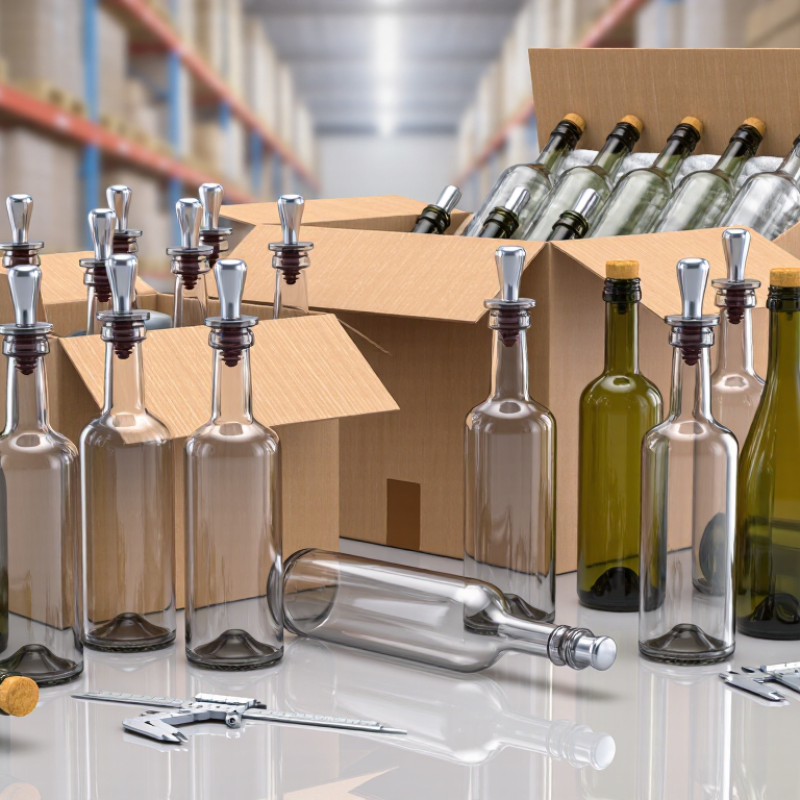
How to Choose the Right Glass Stopper for Wholesale?

Define the Product and Packaging Requirements

How to Choose the Right Glass Stopper for Wholesale?

Define the Product and Packaging Requirements

Start with the product, not the stopper shape. A thick syrup needs a different fit from a thin liquid. Confirm the bottle neck finish, inner diameter, outer diameter, and available insertion depth. Ask for tolerance drawings, not only sample photos. Small variations can cause leakage, wobbling, or difficult removal.

The closure material also matters. Specify whether the stopper uses solid glass, natural cork, synthetic cork, or a food-contact elastomer. Check odor transfer, chemical resistance, heat exposure, and cleaning conditions. For sensitive products, request migration and compatibility documentation. Grand View Research valued the global glass packaging market at approximately USD 82.4 billion in 2023, showing the scale of this supply chain. However, market growth does not remove the need for batch-level inspection.

Packaging requirements deserve equal attention. FEVE reported an EU glass collection rate of about 80% in 2022, but mixed stopper materials can complicate recycling. Use separable components where practical. For wholesale transport, define divider spacing, carton compression strength, pallet height, and drop-test targets. I have seen attractive stoppers arrive with chipped rims because inner protection was treated as an afterthought. That mistake is expensive. Request pilot packing tests before approving production. Also verify filling speed, storage orientation, and a realistic defect limit. Not every assumption survives testing.

Compare Glass Stopper Types, Shapes, and Closure Systems

Choosing the right glass stopper for wholesale requires more than matching a bottle opening. Compare the stopper type, shape, and closure system together. A solid glass stopper offers a clean, premium feel and strong chemical resistance. However, it may need precise grinding for a reliable fit. A glass stopper with an elastomer sleeve usually improves sealing and tolerates small neck-size variations. It can be more practical for large production runs.

Shape affects both handling and shelf appeal. T-shaped stoppers are easy to lift from a narrow bottle. Ball-shaped tops create a softer visual impression but may slip with wet hands. Bar-top shapes provide better grip and suit frequent opening. Ask for drawings, neck-finish measurements, and sample testing. Small differences matter. An attractive stopper can still leak.

The closure system deserves careful testing. Ground-glass fittings rely on close contact and need controlled tolerances. Elastomer-lined systems support stronger sealing against air and liquid movement. For wholesale orders, check extraction force, repeated opening, temperature changes, and transport vibration. ASTM packaging test methods can guide these checks. FEVE reported European glass container recycling above 75%, supporting glass as a durable packaging choice. Grand View Research valued the global glass packaging market at approximately USD 75 billion in 2023, showing strong demand for dependable formats. Yet market data does not replace trial batches. A perfect stopper rarely exists. Select the one that performs consistently with your bottle, filling process, and customer handling conditions.

How to Choose the Right Glass Stopper for Wholesale? Compare Glass Stopper Types, Shapes, and Closure Systems

Glass Stopper Type Typical Shape Closure System Sealing Component Seal Performance Opening Experience Main Advantages Key Limitations Best Wholesale Applications
Ground-Glass Stopper Conical or tapered plug with a matching glass neck Friction fit between precisely ground glass surfaces Glass-to-glass contact; no separate gasket required ★★★★★
Excellent when the taper and surface finish match correctly
Smooth, traditional fit with a premium laboratory-style feel High chemical resistance, reusable, visually elegant, and suitable for long-term storage Requires close dimensional control; may seize if contaminated or used with crystallizing products Apothecary bottles, specialty spirits, fragrance vessels, laboratory-style packaging, and decorative decanters
Glass Stopper with Silicone Ring Straight or slightly tapered plug, often with a top handle Push-fit or light friction fit supported by an elastomer seal Food-contact silicone O-ring or sealing ring ★★★★★
Very good, particularly for routine opening and closing
Easy pull-out action with consistent resealing Good tolerance compensation, reliable sealing, and convenient for repeated use Silicone may require material compliance testing and can eventually wear or absorb strong odors Syrups, sauces, infused oils, cosmetic liquids, refillable containers, and beverage bottles
Glass Top with Natural Cork Round, cylindrical, or slightly tapered cork body with a glass head Compressed cork friction fit inside the bottle neck Natural cork compressed against the inner neck ★★★★☆
Good for many dry and liquid products when properly sized
Distinctive tactile feel and easy manual removal Natural appearance, flexible fit, lightweight construction, and strong gift-packaging appeal Natural cork can vary in dimensions and may be affected by moisture, drying, or long-term storage conditions Spirits, liqueurs, culinary oils, gift sets, and premium decorative bottles
Glass Top with Synthetic Plug Short cylindrical or tapered polymer plug with a decorative glass cap Friction-fit polymer plug inserted into the bottle neck Food-grade synthetic elastomer or polymer plug ★★★★☆
Consistent when plug dimensions are controlled
Firm fit with repeatable insertion and removal More uniform than natural cork, good dimensional consistency, and broad design flexibility Polymer compatibility, odor transfer, and temperature resistance must be verified for the filled product Spirits, flavored oils, cosmetic packaging, gift bottles, and high-volume private-label projects
Glass Screw Closure Decorative glass cap with a threaded inner insert Continuous thread or lug-style thread Plastic, silicone, or composite liner compressed against the bottle finish ★★★★★
Highly repeatable when the cap, liner, and neck finish are matched
Controlled torque and clear open-close feedback Strong repeatability, useful for frequent opening, and suitable for automated filling lines Requires a compatible threaded neck; excessive torque can damage the liner or glass finish Sauces, oils, dressings, cosmetic liquids, refill products, and retail packaging requiring resealing
Glass Stopper with Metal Collar Glass plug or top combined with a smooth or threaded metal collar Crimp, screw, or friction-assisted collar system Elastomer liner, gasket, or polymer insert ★★★★☆
Good when the collar and liner are correctly assembled
Structured closure with a contemporary or industrial appearance Offers strong visual contrast, supports custom finishes, and can improve tamper-evident options Metal compatibility, corrosion resistance, coating durability, and assembly tolerances require inspection Fragrance, premium beverages, spirits, skincare, and high-end gift packaging
Dropper-Style Glass Closure Glass pipette with a rubber bulb and screw or friction collar Threaded or fitted collar around the bottle neck Elastomer bulb and internal neck gasket ★★★★☆
Good for controlled dispensing rather than complete barrier storage
Allows measured drops and precise application Useful for dosage control, premium presentation, and liquid application products Not ideal for high-viscosity products; bulb and gasket materials need compatibility testing Serums, essential-oil blends, laboratory samples, liquid supplements, and specialty cosmetic products
Decorative Ball-Top Glass Stopper Round, faceted, geometric, or sculpted top with a plug body Friction fit, cork fit, or silicone-assisted fit depending on the plug design Glass contact, cork, silicone, or synthetic insert ★★★☆☆
Depends strongly on the internal plug and gasket design
High visual impact with a comfortable grip Excellent shelf appeal, gift value, and customization potential Decorative geometry can increase weight, breakage risk, packing cost, and dimensional variation Gift bottles, decorative decanters, fragrance, home fragrance, and limited-edition packaging
Ratings are general purchasing guidance. Actual performance depends on glass dimensions, neck finish, stopper tolerance, liner material, filling process, product chemistry, and storage conditions.

Evaluate Material Quality, Size Accuracy, and Compatibility

How to Choose the Right Glass Stopper for Wholesale?

Material quality should be checked before appearance. Clear glass is not always durable glass. Look for uniform color, smooth surfaces, and clean edges. Borosilicate glass offers good resistance to temperature changes. Standard glass may suit room-temperature storage. Ask for material specifications and inspection records. Do not rely on photographs alone.

Size accuracy directly affects sealing performance. Measure the stopper diameter, length, and neck contact area. Even a small variation can cause looseness or cracking. Request samples from different production batches. Test each sample with your actual bottles. A stopper that fits one bottle may fail across a wholesale shipment. This detail is easy to underestimate.

Compatibility involves more than physical fit. Check whether the glass finish matches the bottle opening. Review the intended contents, storage temperature, and cleaning method. If a sealing ring or insert is included, confirm its material and condition. Suppliers should provide clear quality controls and traceable test data. Practical experience suggests testing under real warehouse conditions, including vibration and repeated handling. A perfect first sample proves little. No checklist is flawless. Allow room for retesting, because production tolerances can shift. Reliable purchasing decisions come from measured samples, documented specifications, and honest communication about defects.

Check Wholesale Suppliers, Customization, and Minimum Orders

Choosing the right glass stopper begins with checking the wholesale supplier, not just the product photos. Ask for material details, dimensional tolerances, surface finish, and packaging specifications. A reliable supplier should provide clear samples and consistent communication. Request a physical sample before approving a large order. Photos can hide tiny chips, uneven edges, or poor fitting.

Customization may include stopper shape, color, logo placement, and matching neck dimensions. Confirm whether the design uses molded glass or machine processing. These methods can affect cost, strength, and delivery time. Ask for a drawing with measurements. Include the stopper diameter, height, sealing area, and acceptable tolerance. Small differences matter. I once reviewed a sample that looked attractive but fitted too tightly after temperature changes. That mistake delayed testing.

Minimum order quantities deserve careful attention. A low MOQ may suit a new product, but the unit price could rise sharply. A large MOQ may reduce costs while creating storage pressure. Compare prices at several volume levels, such as 500, 2,000, and 10,000 pieces. Check whether custom colors or packaging require separate minimums. Confirm sample charges, tooling fees, payment terms, lead times, and replacement policies in writing. Suppliers should also explain their quality inspection process. It is easy to focus on price and overlook cartons, separators, and breakage rates. That deserves another look.

How to Choose the Right Glass Stopper for Wholesale?

Compare common wholesale MOQ ranges by customization level before requesting supplier quotations. Lower MOQs are usually associated with stock designs, while custom molds and finishes typically require larger orders.

The figures show commonly used wholesale reference ranges for glass packaging orders. Actual minimums depend on stopper size, mold requirements, decoration, packaging, and production capacity. Always confirm the final MOQ, sample cost, lead time, and customization options directly with the supplier.

Assess Pricing, Testing, Certifications, and Delivery Terms

How to Choose the Right Glass Stopper for Wholesale?

Price is only one part of the purchasing decision. Compare the complete landed cost, including tooling, samples, protective packaging, freight, and possible breakage. A low unit price can hide weak packaging or high minimum order quantities. Request a written quotation with specifications, payment terms, and production lead time. Check whether replacement costs are clearly defined. Small details matter.

Testing should confirm more than appearance. Ask for dimensional checks, fit testing, leakage tests, and surface inspection records. For closures used with food, cosmetics, or other approved products, verify material compatibility before mass production. Thermal shock testing may be useful when bottles face temperature changes. I have seen attractive samples fail after repeated opening. That was an expensive lesson. Test production samples, not only hand-finished prototypes.

Certifications must match the stopper material, coating, and intended market. Request current documents, laboratory reports, and batch traceability records. A certificate without matching product details is not strong evidence. Confirm whether testing comes from a qualified independent laboratory. Delivery terms also need careful review. Clarify the shipping point, inspection window, insurance responsibility, and approved tolerance for defects. Agree on carton protection and pallet standards before production starts. Build extra time for inspection and customs clearance. Perfect schedules rarely survive real shipping conditions. Recheck them.

FAQS

What is the difference between solid glass stoppers and sleeved glass stoppers?

Solid glass stoppers provide a clean appearance and strong chemical resistance. They require precise grinding for a dependable fit. A sleeved stopper uses an elastomer layer. It usually seals better and tolerates small neck-size differences.

Which stopper shape is easiest to handle?

T-shaped stoppers are easy to lift from narrow bottles. Bar-top designs offer a stronger grip during repeated opening. Ball-shaped tops look softer but may slip with wet hands. Appearance is not enough.

How should I test a stopper before placing a wholesale order?

Request drawings, neck measurements, and physical samples. Test extraction force, repeated opening, temperature changes, and transport vibration. Test it cold. A sample may fit well at room temperature but tighten after cooling.

Which closure system provides better sealing?

Ground-glass fittings depend on close contact and controlled tolerances. Elastomer-lined systems usually resist air and liquid movement more effectively. The best choice depends on your bottle and filling process.

What information should I request from a wholesale supplier?

Ask for material details, dimensional tolerances, surface finish, packaging specifications, and inspection procedures. Request samples before approving production. Photos can hide chips, uneven edges, and poor fitting.

What customization options are commonly available?

Customization may include shape, color, logo placement, and matching neck dimensions. Confirm whether the stopper uses molded glass or machine processing. Ask for a measured drawing. Include diameter, height, sealing area, and acceptable tolerance.

How should I evaluate minimum order quantities?

Compare pricing at several volumes, such as 500, 2,000, and 10,000 pieces. A low quantity may increase the unit price. A large order can create storage pressure. Cheap is not always practical.

Which extra costs and delivery details should I confirm?

Confirm sample charges, tooling fees, payment terms, lead times, replacement policies, and packaging requirements in writing. Check cartons, separators, and breakage rates. Small omissions become expensive. I would review the agreement twice.

Conclusion

Choosing the right Glass Stopper for wholesale begins with clearly defining the product and packaging requirements. Consider the container’s neck size, product type, sealing expectations, appearance, and intended use before comparing stopper designs. Different shapes, finishes, and closure systems can influence functionality, presentation, ease of use, and production efficiency. Buyers should also evaluate glass quality, surface smoothness, dimensional accuracy, and compatibility with the container and filling process to reduce leakage, breakage, and assembly problems.

A reliable wholesale supplier should provide customization options, clear minimum order quantities, consistent production capacity, and responsive communication. Before placing a large order, review samples and confirm pricing, testing procedures, certifications, packaging methods, and delivery terms. It is also important to understand how quality inspections are handled and whether replacement support is available for damaged or defective goods. By assessing both technical performance and commercial conditions, buyers can select a Glass Stopper that offers dependable sealing, attractive presentation, stable supply, and good long-term value.


Isabella

Isabella

Isabella is a dedicated marketing professional with a sharp focus on driving brand growth and engagement through strategic content creation. With an extensive background in digital marketing, she combines her passion for storytelling with her keen understanding of industry trends to deliver......