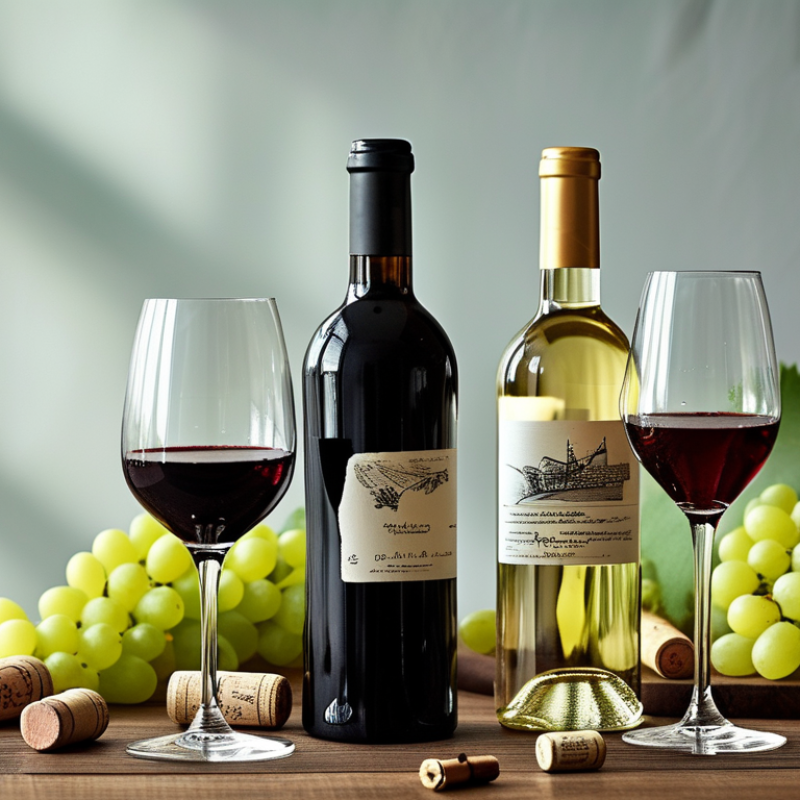
Choosing the right wine bottle and wine glass can enhance your enjoyment. The experience of savoring wine starts with the proper vessel. A wine bottle communicates the essence of the wine, while the glass shapes the flavor perception.
A well-selected wine bottle embodies quality and character. Its label tells a story of origin and craftsmanship. On the other hand, a wine glass can elevate each sip. The shape and material influence aroma and taste. Yet, many overlook this critical pairing, resulting in missed opportunities for enjoyment.
Reflecting on your choices is essential. Have you considered how a simple glass change could enhance your experience? You might find that not all wine glasses are created equal. Strive for balance in your selections, and you will likely discover new dimensions in your wine tasting journey.
Importance of Selecting the Correct Wine Bottle for Different Occasions
Choosing the right wine bottle for an occasion can enhance the experience significantly. For a formal dinner, a classic red, like Cabernet Sauvignon, complements rich meats beautifully. A crisp white, such as Sauvignon Blanc, works well with lighter dishes. Understanding your guest’s preferences adds depth to the selection process.
Casual gatherings allow more flexibility. You might opt for a bold rosé or a sparkling wine for a fun atmosphere. The context matters. Bringing a complex wine to a laid-back picnic might feel out of place. Sometimes it feels easy to overlook the details, like serving temperature or glass shape. These factors can impact taste and presentation.
Every occasion is unique. Wine should match the mood and setting. Reflecting on past choices can guide future decisions. Picking a wine that resonates with the event’s spirit may lead to a memorable experience. Making choices based on experience, not just trends, fosters a deeper connection to the wine.
Factors to Consider When Choosing the Right Type of Wine Glass
Choosing the right type of wine glass can greatly enhance your wine experience. Different glasses are designed for various types of wine, each affecting aroma and flavor. For reds, wider bowls allow better aeration. For whites, narrower glasses preserve crispness and chill. The right glass amplifies the wine's taste and enjoyment.
Tips: Pay attention to the glass material. Crystal offers brilliance and clarity, enhancing presentation. Opt for stemless glasses for casual settings. These are easier to handle and less prone to spills.
Consider the shape of the glass. A tulip shape captures aromas beautifully. This is perfect for aromatic wines like Riesling or Sauvignon Blanc. If you drink full-bodied reds, a larger bowl facilitates oxygen interaction, enriching flavor. Remember, not every glass suits every occasion. Experiment with different shapes to discover your personal preferences.
Factors to Consider When Choosing the Right Type of Wine Glass
Impact of Wine Bottle Shape and Size on Taste and Storage
The shape and size of a wine bottle can significantly influence the wine's taste and storage conditions. A standard bottle holds about 750 ml. However, larger formats, like magnums, can enhance aging potential. The wider neck of larger bottles allows for less oxygen exposure, which slows down the aging process. This can result in a smoother and more complex flavor profile over time.
Moreover, the material and thickness of the glass can affect how well the wine is preserved. Dark glass bottles protect the wine from harmful UV light. This is crucial for maintaining flavor integrity. Thicker glass can reduce temperature fluctuations during storage, which is essential for wine longevity. Glass quality matters. A poorly made bottle may not seal properly, leading to spoilage.
Interestingly, bottle shape also plays a role in wine experience. Burgundy bottles have wider bases, promoting sediment settlement. This can be essential for aged wines. In contrast, Riesling bottles are taller and slimmer, catering to lighter varietals. The choice of bottle can reflect the wine's characteristics, but personal preference is also key. Understanding these factors can enrich your wine journey.
How Glass Design Affects the Aroma and Flavor Experience of Wine
The design of a wine glass greatly influences the aroma and flavor experience of wine. Research shows that the shape of the glass can enhance or diminish specific notes. For instance, a wider bowl allows for more oxygen contact, releasing volatile compounds that contribute to aroma. According to a study by the American Journal of Enology and Viticulture, the right glass can enhance perceived aromas by up to 20%.
Different materials also play a role. High-quality crystal can improve clarity and brightness, enhancing the visual appeal. A transparent glass allows drinkers to appreciate color and clarity, which can affect their overall perception. However, the role of aesthetics sometimes overshadows functional aspects. Some consumers may choose stylish designs over scientifically validated shapes, missing out on optimal flavor experiences.
Moreover, research indicates that glass rim thickness affects how wine flows onto the palate. Thin rims can create a smoother entry, while thicker ones might alter the tasting experience. This subtlety is often overlooked. Not all glasses fulfill their purpose, and choosing the wrong one can lead to disappointment. Therefore, understanding glass design goes beyond aesthetics; it significantly impacts the sensory experience of enjoying wine.
Why Choose the Right Wine Bottle and Wine Glass for Your Needs?
| Aspect |
Description |
Impact on Wine |
Recommended Types |
| Bottle Shape |
The design and curvature of the wine bottle. |
Affects the sedimentation process and air exposure. |
Bordeaux, Burgundy, Champagne |
| Glass Bowl Shape |
The rounded part of the glass that holds the wine. |
Influences the release of aromas. |
Tulip, Standard, Wide Bowl |
| Glass Rim |
The edge of the glass where the wine is sipped. |
Impacts the flow of wine onto the palate. |
Thin Rim, Slightly Thick Rim |
| Size of Glass |
The overall volume of the glass. |
Affects the aeration and temperature of the wine. |
Small (150ml), Medium (250ml), Large (400ml) |
| Material |
Type of glass used for crafting the wine glass. |
Can enhance clarity and purity of the wine. |
Crystal, Lead-free Crystal, Standard Glass |
Aligning Wine Selection with Personal Preferences and Food Pairings
Choosing the right wine involves understanding personal preferences and food pairings. Each wine has unique characteristics. These attributes influence how it complements various dishes. A light, fruity white may enhance seafood. Meanwhile, a bold red could elevate a hearty steak.
The shape of your wine glass matters too. A broader bowl allows red wines to breathe, enhancing their flavors. Conversely, a narrower glass preserves the freshness of whites. The right glass can amplify your experience, but not all glasses fit every wine. Sometimes, people overlook this detail.
Taste is subjective. What appeals to one person may not resonate with another. Experimentation is key. You might discover unexpected pairings that surprise you. And it's okay to make mistakes along the way. Each sip teaches something new. Embrace the journey of finding your perfect match.
FAQS
: The right wine enhances the experience, matching the mood and setting of the event.
A classic red, like Cabernet Sauvignon, pairs well with rich meats.
Yes, casual settings allow for bold rosés or sparkling wines for a fun atmosphere.
These details impact taste and presentation, enhancing the overall wine experience.
The shape of a glass can enhance or diminish specific aroma and flavor notes.
High-quality crystal improves clarity and brightness, enhancing visual appeal and perception.
Sometimes, consumers choose stylish designs over scientific shapes, missing optimal flavor experiences.
Thin rims create smoother entry, while thicker rims can alter the tasting experience.
Reflecting on experiences helps in choosing wines that resonate with the occasion's spirit.
Using the wrong glass can lead to disappointment and affect the enjoyment of wine.
Conclusion
Choosing the right wine bottle and wine glass is essential for enhancing the overall wine experience. The selection of a wine bottle should align with the occasion, as different events may call for specific types of wine that can elevate the mood and enjoyment. Factors such as the shape and size of the wine bottle can influence both the storage and taste of the wine, making it crucial to consider these elements when selecting your choice.
Equally important is the type of wine glass chosen, as its design can significantly affect the aroma and flavor perception of the wine. A well-suited wine glass not only highlights the wine's characteristics but also enhances personal enjoyment, especially when paired with food. Ultimately, aligning wine selection with personal preferences and food pairings will create a more memorable and satisfying experience, underscoring the importance of the right wine bottle and wine glass.

 QLT Glass