Choosing the right Wine Bottle Milliliters is more practical than it first appears. A 750-milliliter bottle usually serves five standard glasses, assuming each pour is about 150 milliliters. That makes it suitable for a quiet dinner, a tasting session, or a small celebration. A 375-milliliter half-bottle offers roughly two to three glasses. It can reduce waste when only one or two people are drinking.
Larger formats create a different experience. A 1.5-liter magnum provides about ten glasses and often develops more slowly because the wine receives less oxygen relative to its volume. Wine writer and Master of Wine Jancis Robinson has written, “Magnums are the best format for ageing wine.” Her observation supports choosing larger bottles for extended cellaring, shared meals, and important occasions. Still, size alone does not guarantee better wine. Storage temperature, closure quality, vintage, and producer reputation matter just as much.
Think about the table, not only the label. A half-bottle may fit neatly beside a small meal. A magnum needs stable storage and careful pouring. Sparkling wine also behaves differently, especially when serving several guests. I have sometimes chosen a larger bottle for atmosphere, then discovered that the meal did not need it. That is the imperfect part of planning. The best Wine Bottle Milliliters choice balances guest numbers, drinking pace, storage conditions, and budget. This guide will examine common bottle sizes, realistic serving estimates, ageing considerations, and the practical details that can make the final decision easier.
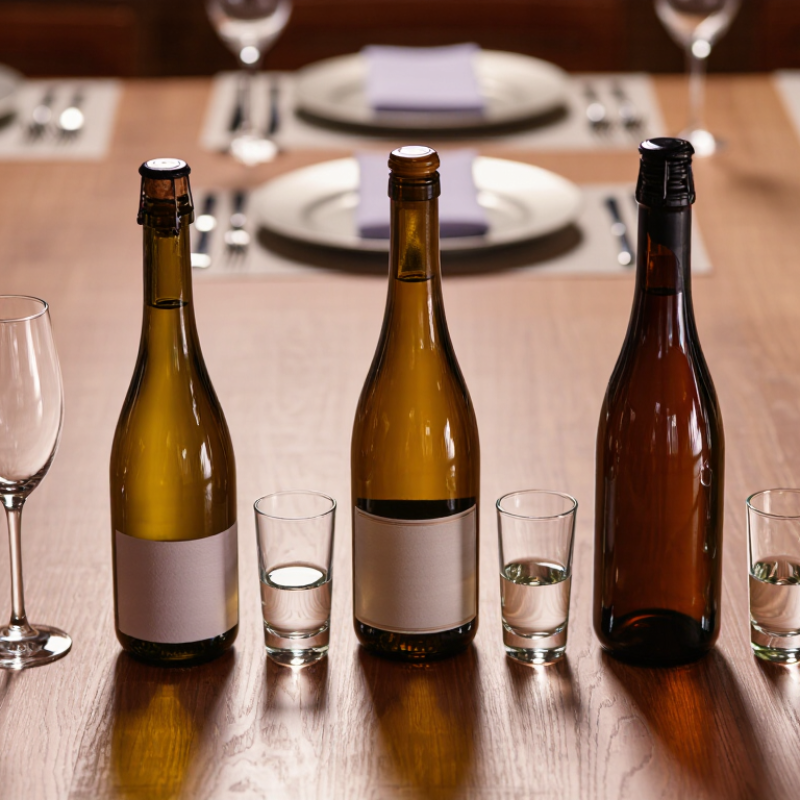
Define Wine Bottle Milliliter Sizes and Standard Names
How to Choose Wine Bottle Milliliters in 2026?
Wine bottle milliliters describe the liquid volume inside a bottle. The standard bottle holds 750 milliliters, often called a standard bottle. It usually provides about five 150-milliliter servings. A smaller 187.5-milliliter bottle is commonly called a split, piccolo, or single-serve bottle. Names can vary by region and retailer.
A 375-milliliter bottle is known as a half bottle or demi. It suits two modest servings and reduces leftover wine. A 500-milliliter bottle is often called a half-liter bottle, although it is slightly larger than a demi. The 1.5-liter format is called a magnum and generally holds two standard bottles. Larger formats include 3 liters, 4.5 liters, and 6 liters, but their traditional names are not always consistent.
Check the milliliter number first. Names can mislead. In practical cellar work, labels and regional usage do not always match perfectly. A “half” may mean 375 milliliters, but some sellers use the term loosely. I once treated a 500-milliliter bottle as a demi and underestimated the servings. That mistake was small, yet useful. For dinner planning, calculate by volume, guest count, and pour size. For gifting, storage, or tasting events, choose the format that fits the occasion rather than relying on the name alone.
Compare Common Bottle Capacities and Their Serving Counts
How to Choose Wine Bottle Milliliters in 2026?
Bottle capacity matters because it changes serving size, storage, and planning. A standard 750-milliliter bottle provides about five 150-milliliter glasses. With smaller 125-milliliter pours, it can serve six people. This difference becomes noticeable at dinner. One extra guest may leave someone with a shorter pour.
A 187-milliliter bottle usually suits one modest serving. A 375-milliliter half-bottle offers two to three glasses. The 500-milliliter size gives roughly three 150-milliliter servings, while a 1,000-milliliter bottle supplies six to eight. A 1,500-milliliter bottle can provide ten standard glasses. Pour carefully. Glass shape can make a serving look larger than it is.
In my event planning experience, 750 milliliters remains the easiest size for mixed groups. It balances availability and manageable waste. Smaller bottles work better when guests want different styles or drink lightly. Larger bottles are practical for a shared meal, but they need more storage space after opening. The numbers are estimates, not promises. A generous host may pour 170 milliliters, reducing a 750-milliliter bottle to four glasses. I have made that mistake. For accurate planning, measure one typical pour at home, then multiply it by the number of guests. Consider a small reserve when refills matter. Temperature, sediment, and leftover wine can also affect the usable amount.
Match Bottle Volume to Occasion, Group Size, and Consumption
How to Choose Wine Bottle Milliliters in 2026?
Bottle volume should follow the occasion, not the label’s appearance. A 187-milliliter bottle suits one measured serving or a small tasting flight. It reduces leftovers when you want variety. A 375-milliliter half bottle works well for two people with dinner. It gives each guest a modest glass, though generous pours can empty it quickly. That detail is easy to underestimate.
For four to six guests, 750 milliliters remains practical. It usually provides five standard 150-milliliter pours, with little room for spills or refills. A 1,500-milliliter bottle fits a larger table and can simplify service. However, it is heavier, harder to chill, and awkward for casual gatherings. I have found that people often choose large formats for value, then serve too much too quickly. Portion planning matters more than impressive size.
Match the volume to drinking pace and storage conditions. If the bottle may remain open overnight, choose a smaller format or use a proper stopper and refrigeration. Sparkling styles need faster service because their texture changes after opening. Still, these are practical guidelines, not fixed rules. A slow dinner may need less than expected. An enthusiastic group may need more. Check the guest count, meal length, and preferred pour before buying. Mistakes happen; recording what remained after each event improves the next choice.
How to Choose Wine Bottle Milliliters in 2026? - Match Bottle Volume to Occasion, Group Size, and Consumption
| Bottle Volume |
Approximate 150 ml Servings |
Suitable Group Size |
Best-Matched Occasion |
Expected Consumption Pattern |
Practical Considerations |
| 187 ml |
About 1 serving |
1 person |
Single-meal use, travel, tasting, or portion-controlled drinking |
Designed for immediate consumption with little or no leftover wine |
Convenient and portable; usually provides less than two standard 150 ml pours |
| 375 ml |
About 2 servings |
1–2 people |
Light dinner, date night, or sampling a wine without opening a full bottle |
Suitable when consumption is limited to one or two glasses per person |
Lower leftover risk than a full-size bottle; exact servings depend on pour size |
| 500 ml |
About 3 servings |
2–3 people |
Small meal, casual afternoon gathering, or dessert wine service |
Works well for moderate consumption across a short occasion |
Offers more flexibility than a half bottle while remaining smaller than the standard size |
| 750 ml |
About 5 servings |
3–5 people |
Standard dinner, small celebration, or ordinary social gathering |
Typically provides one 150 ml glass for five people |
The most common full-bottle format; allow for smaller or larger pours when planning |
| 1,000 ml |
About 6–7 servings |
5–7 people |
Extended meal, picnic, or informal gathering with several moderate drinkers |
Useful when a standard bottle may not provide enough for the group |
Calculate servings from the actual pour size rather than assuming a fixed number of glasses |
| 1,500 ml |
About 10 servings |
6–10 people |
Large dinner, holiday meal, reception, or shared table service |
Provides approximately two 150 ml glasses for five people |
Often practical for groups because fewer bottles need to be opened; requires suitable storage space |
| 3,000 ml |
About 20 servings |
12–20 people |
Large party, buffet, wedding meal, or event with continuous table service |
Best for planned group consumption rather than a small or private occasion |
Heavy and harder to chill or pour; use only when demand is high and service logistics are prepared |
Serving estimates are based on a 150 ml pour. Actual servings vary with glass size, pouring habits, wine style, and the number of people choosing wine. For responsible planning, match the bottle size to the occasion and provide non-alcoholic drink options.
Consider Wine Style, Storage Needs, and Aging Potential
How to Choose Wine Bottle Milliliters in 2026?
Bottle size should match the wine’s style and your drinking pace. A 375-milliliter bottle suits delicate whites, dessert wines, or a quiet dinner for two. It reduces leftovers and limits repeated air exposure after opening. A standard 750-milliliter bottle remains practical for most red, white, and sparkling wines. Larger formats work well for gatherings, but they need careful handling and suitable storage space.
Think about storage needs before choosing a larger bottle. A 1.5-liter bottle takes longer to finish, yet its lower air-to-wine ratio may support slower development after opening. This does not guarantee better aging. Wine quality, closure condition, temperature, light, and humidity still matter. In my cellar experience, oversized bottles can be awkward on narrow shelves. They also require stronger, stable support. Smaller bottles may mature faster because oxygen affects a larger proportion of the wine. That can help some youthful wines, but it may shorten their ideal drinking window.
Tips: Match 375 milliliters with short meals or tasting sessions. Choose 750 milliliters for routine service. Reserve 1.5 liters for parties or wines with proven aging potential. Store every size horizontally when appropriate, away from heat and direct light. Check the bottle’s weight before lifting it. Bigger is not always better. Record opening dates, because memory becomes unreliable. A simple note can reveal whether your chosen size truly fits your habits.
Choose the Best Wine Bottle Milliliters for Your Purchase
How to Choose Wine Bottle Milliliters in 2026?
Choose the Best Wine Bottle Milliliters for Your Purchase
The right bottle size depends on guests, drinking speed, and storage conditions. A 750 ml bottle usually provides about five glasses at 150 ml each. That works well for a small dinner or a relaxed tasting. For one person, a 375 ml half-bottle may reduce waste. Small bottles help.
For larger gatherings, consider 1.5-liter bottles when several guests prefer the same wine. They can offer smoother service because fewer bottles need opening. However, bigger bottles require more refrigerator or cellar space. Check the serving plan before purchasing. A simple count prevents awkward shortages.
My practical method is to estimate one glass per guest, then add one extra glass for flexibility. This is not perfect. I once planned only by guest numbers, but two guests wanted a second pour. The estimate failed. I now consider meal length, alcohol tolerance, and whether other drinks will be served. A 187 ml single-serve bottle suits a short event, while a 500 ml format can fit a quiet meal for two. Read the volume clearly on the label, especially when comparing online listings. Storage matters too: unopened wine should stay cool, dark, and stable. After opening, smaller remaining volumes usually leave less air exposure, but preservation still depends on the wine and storage time.
FAQS
A 750 ml bottle provides about five 150 ml glasses. Smaller 125 ml pours may serve six people. Pour size matters.
A 187 ml bottle usually provides one modest serving. It limits leftovers during a short event or tasting.
Yes. A 375 ml half-bottle usually provides two or three modest glasses. Generous pours can empty it quickly.
A 750 ml bottle is usually practical for four to six guests. It allows about five standard pours, with little room for refills.
A 1,500 ml bottle suits a larger shared meal. It can provide about ten 150 ml glasses. It is heavy and needs more storage space.
Estimate one glass per guest, then add one extra glass for flexibility. Check the meal length and other drinks. My estimate once failed.
A 170 ml pour reduces a 750 ml bottle to roughly four glasses. A wide glass can also make a small serving look larger.
Keep opened bottles cool and use a proper stopper. Smaller remaining volumes usually expose less liquid to air. Results still vary.
Smaller bottles often reduce waste for solo drinking or mixed preferences. A 500 ml bottle may suit a quiet meal for two.
Check guest count, preferred pour, drinking pace, and storage space. Read the volume carefully, especially in online listings. Mistakes happen.
Conclusion
Choosing the right Wine Bottle Milliliters can make wine purchasing more practical and enjoyable. This guide explains common bottle sizes, from small individual formats to standard and larger serving options, while clarifying their usual names and approximate serving counts. Understanding these differences helps buyers estimate how much wine they need for a meal, celebration, tasting, or quiet evening without unnecessary waste.
Bottle volume should also match the group size, drinking pace, and type of wine being selected. Smaller bottles are convenient for limited consumption and short-term use, while larger formats may suit gatherings and can offer better storage efficiency when properly preserved. Wine style, freshness requirements, available storage space, and aging potential are also important considerations. By comparing capacity, occasion, serving needs, and storage conditions, buyers can confidently choose the most suitable bottle size for both immediate enjoyment and future use.

 QLT Glass