Top 10 Bottle Of Wine And Wine Glass Buying Tips?

Time:2026-07-03 Author:Madeline
0%

Choosing the perfect bottle of wine or wine glass can be a delightful yet daunting task. With so many options available, it’s crucial to understand what makes a wine bottle truly exceptional. Factors such as taste, aroma, and occasion play significant roles in this choice. Additionally, the right wine glass can enhance the overall experience, elevating the flavors and aromas of the wine.

Ideally, a good bottle of wine goes hand in hand with a proper wine glass. The design of the glass influences how you perceive the wine. A suitable glass can amplify the nuances of the drink, making each sip more enjoyable. However, many people overlook this aspect and simply choose any glass available. This can detract from the experience, leaving one wondering if they truly selected the best wine.

With a few tips, you can streamline your selection process. Concentrate on reputable brands and consider the wine's origin. It’s also helpful to read reviews to gauge the experience of others. Whether you're buying a bottle of wine or a wine glass, being informed leads to better choices. Reflecting on these aspects can transform an ordinary purchase into something remarkable.
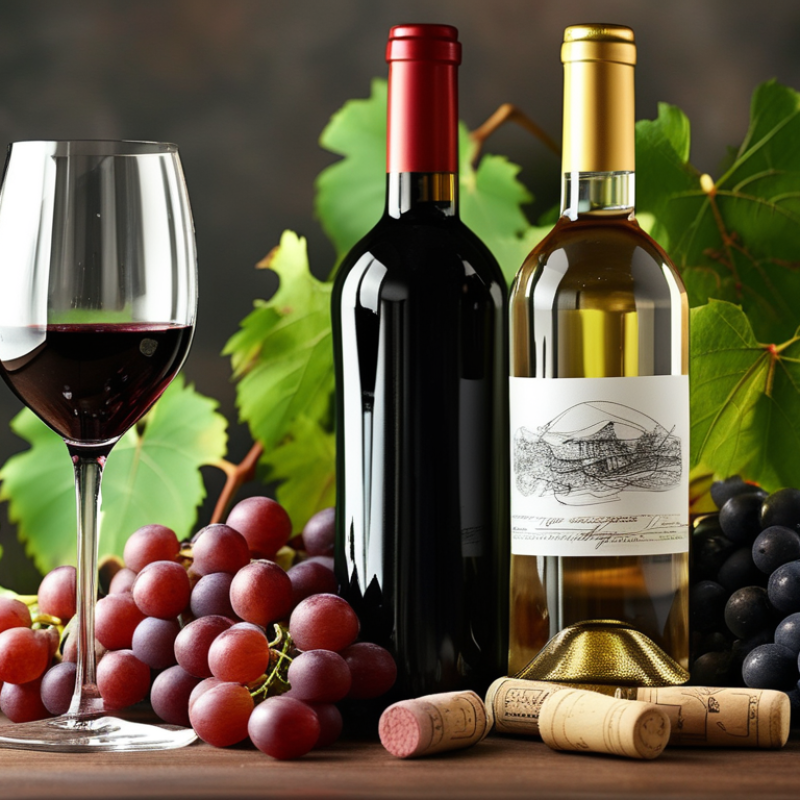
Top 10 Bottle Of Wine And Wine Glass Buying Tips?

Understanding Wine Types: A Guide to Selecting the Right Bottle

Understanding wine types is vital for selecting the right bottle. With so many options available, the choice can feel overwhelming. It's good to start by recognizing the major categories: red, white, rosé, and sparkling wines. Each type offers distinct flavors and characteristics. For example, red wines often have deeper, bolder flavors, while whites tend to be crisper and lighter.

When choosing a bottle, consider the occasion and food pairings. A light white can complement a salad or seafood, while a full-bodied red pairs wonderfully with rich meats. Don’t rush your decision. Take time to explore the nuances within each category. Exploring less popular varieties can lead to delightful surprises. Also, remember that personal preference plays a huge role in wine selection. You might find joy in a wine others overlook.

Wine tasting can be an enlightening journey. Don't hesitate to experiment. Sometimes a less expensive bottle can impress more than a pricey one. Reflect on your experiences and preferences. Over time, you'll develop a more refined palate. Understanding wine types enhances your overall appreciation and enjoyment. Each bottle opens a new chapter of exploration.

Evaluating Wine Quality: Key Indicators to Look For in Each Bottle

Evaluating the quality of a wine bottle involves observing several key indicators. The first element to consider is the wine’s color. A vibrant color can suggest freshness. In red wines, an intense hue often signals richness. For whites, a pale straw color usually denotes youthfulness. These visual clues require careful attention.

Next, examine the clarity of the wine. A perfectly clear liquid indicates that it has been well-filtered and handled properly. Any cloudiness could imply a lack of care in the winemaking process. Aroma also plays a significant role. Bring the glass to your nose and take a moment to inhale the bouquet. Floral, fruity, or earthy scents often indicate quality. If the aroma is weak or unattractive, it may signal problems.

Tasting further reveals a wine's vitality. The first sip should feel appealing and balanced. Overwhelming acidity or harsh tannins can lead to unpleasant experiences. Reflect on the mouthfeel. A smooth texture often indicates better craftsmanship. Always take your time to assess the entire drinking experience. Each bottle tells a story, and understanding its quality may require some patience and practice.

Wine Glass Varieties: Choosing the Right Glass for Different Wines

Choosing the right wine glass can enhance your wine-drinking experience. Different types of wine require different glass shapes. For red wines, a larger bowl allows for aeration. This design helps release the wine's complex aromas. White wines, on the other hand, are better served in a narrower glass to maintain chill.

When selecting a glass, consider the wine's characteristics. A Pinot Noir glass has a wide bowl for its bold, fruity notes. Conversely, a Champagne flute preserves the bubbles by minimizing surface area. Smaller glasses are suitable for dessert wines, concentrating the flavors and sweetness.

Pay attention to glass quality. Thinner glass can enhance the drinking experience but may be more fragile. Not all of us have the perfect collection, and it can be tempting to mix and match. Reflect on your choices; even a mismatched set can create a unique dining atmosphere. Investing in a few good pieces is more rewarding than having an array of mediocre options.

Tips: Always wash glasses by hand to avoid scratches. Avoid storing glassware near heat sources, which can cause warping. Don't hesitate to experiment with different wines and glasses; the right combination can lead to delightful surprises.

Top 10 Wine Varieties and Their Preferred Glass Types

This chart illustrates the preference rating for different types of wine glasses for various wine varieties. A higher rating indicates a stronger preference for a specific glass type used to enhance the wine-drinking experience.

Storage and Temperature: Best Practices for Wine Preservation

When it comes to wine preservation, the right storage conditions are crucial. According to the Wine Institute, ideal wine storage temperature ranges between 45°F and 65°F. Cooler temperatures can slow aging, while higher temperatures can spoil the wine's flavor. A consistent environment is essential. Fluctuations can negatively impact the wine's integrity over time. Sealing your wine properly can help mitigate these issues as well.

Humidity also plays a significant role in wine storage. Aim for a humidity level between 50% and 70%. Too little humidity can dry out corks, allowing air to enter the bottle. This can lead to oxidation, ruining your wine. Conversely, excessive humidity can promote mold growth on bottles. Finding that balance is often a challenge but crucial for maintaining quality, as the American Wine Society indicates.

Light exposure can damage wine. Ultraviolet rays can degrade the wine quickly. Storing wine in a dark place helps preserve its quality. Glass bottles, while appealing, do not offer protection against light exposure. Consider using dark containers for long-term storage. Each factor plays a role, and neglecting even one can lead to disappointing results. It's a constant reminder that wine storage requires attention and care.

Budgeting for Wine: How Much to Spend on Quality Wines and Glassware

When budgeting for wine, quality is essential. Research shows that spending around $15 to $25 per bottle often yields good wines. However, finer selections can exceed this range. According to the 2021 Wine Market Council report, over 70% of wine consumers prefer quality over price. It’s crucial to evaluate your personal taste to avoid wasting money on wine that doesn’t resonate with you.

Tips for spending wisely on glassware include investing in lead-free crystal. While they are more expensive, they enhance the wine-tasting experience. Another tip is to choose versatile glass shapes. They can serve multiple wine types. Don’t overlook the importance of proper storage for your wine and glasses. Quality storage can protect your investment.

Experimentation is vital. You might find budget-friendly wines that surprise you. Not all expensive wines are superior. Also, consider local wineries, as they often provide excellent quality at lower prices. Keeping a tasting journal helps refine your palate and budget. Reflect on past purchases to improve future selections.

FAQS

: What are the main wine types to consider?

: The major wine types are red, white, rosé, and sparkling. Each type has unique flavors.

How should I choose a wine for a meal?

Pair light whites with salads or seafood. Full-bodied reds complement rich meats well.

Why is wine tasting important?

Wine tasting is a journey. It enhances your appreciation and helps refine your palate over time.

What is the ideal temperature for wine storage?

The best storage temperature ranges between 45°F and 65°F. Consistency is key to preserving flavor.

How does humidity affect wine storage?

Aim for humidity levels between 50% and 70%. Too little can dry corks; too much can promote mold.

Should I consider light exposure when storing wine?

Yes, light can damage wine. Store it in dark places to maintain quality and prevent degradation.

How much should I spend on a quality wine?

Spending $15 to $25 per bottle often results in good quality. Reflect on your preferences for better choices.

What should I look for in wine glassware?

Invest in lead-free crystal. Versatile glass shapes are also valuable for different wine types.

Can budget-friendly wines be good?

Absolutely! Some lower-priced wines impress more than expensive ones. Exploration can yield delightful finds.

How important is storage for protecting wine and glasses?

Proper storage is crucial. It protects your investment and ensures the quality of both wine and glassware.

Conclusion

When selecting the perfect bottle of wine and wine glass, understanding the different types of wines is crucial. Each wine variety possesses unique characteristics that can enhance your tasting experience. Evaluating wine quality involves looking for key indicators such as aroma, clarity, and the finish. Choosing the right wine glass is equally important; various shapes can amplify the flavors of specific wines, making your drinking experience more enjoyable.

Proper storage and temperature control are essential for preserving the quality of your wine. Keeping your bottles at optimal temperatures can prevent spoilage and enhance the aging process. Additionally, budgeting is a key aspect of your wine selection; allocating funds wisely can help you choose both quality wines and exquisite glassware that complement your selections. By following these tips, you can make informed decisions that elevate your wine experience.

Madeline

Madeline

Madeline is a dedicated marketing professional with a wealth of expertise in our company's core offerings. With a keen understanding of the industry, she brings a unique perspective to her role, consistently delivering high-quality content that highlights the superior aspects of our products. As......