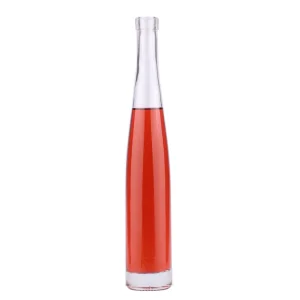
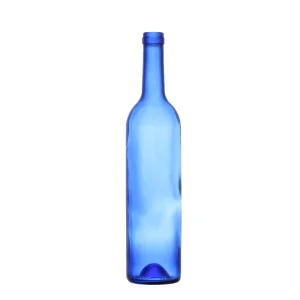
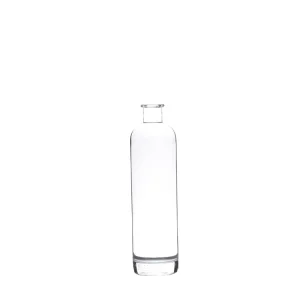
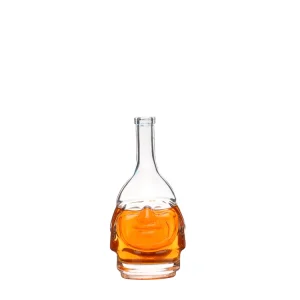
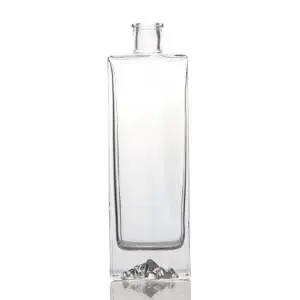
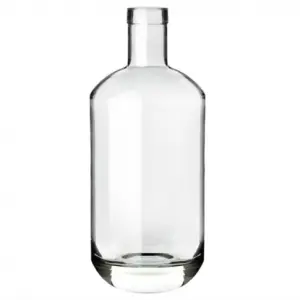
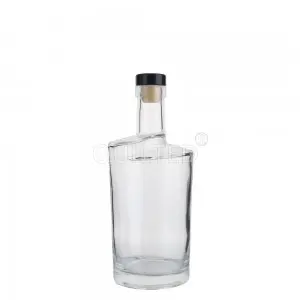
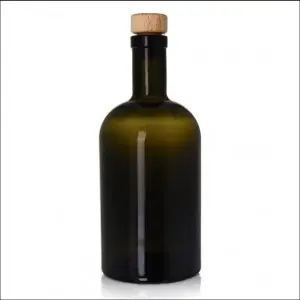
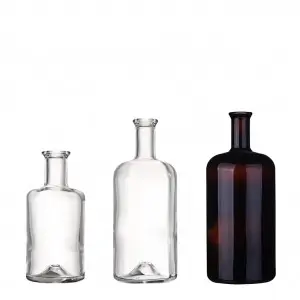
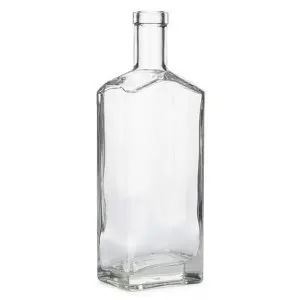
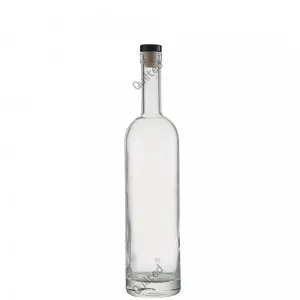
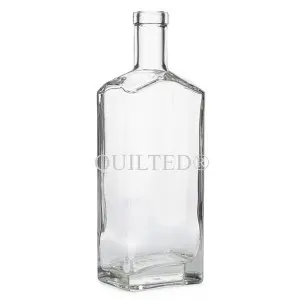
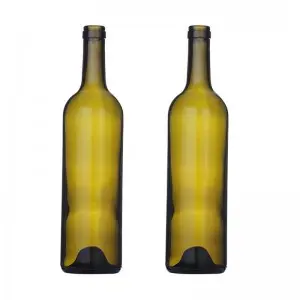
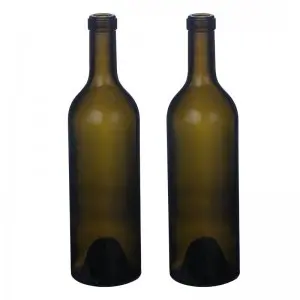
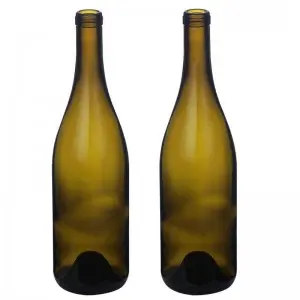
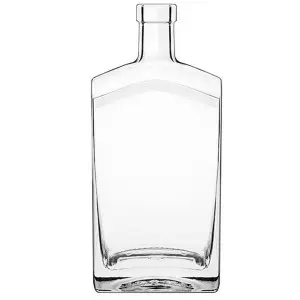
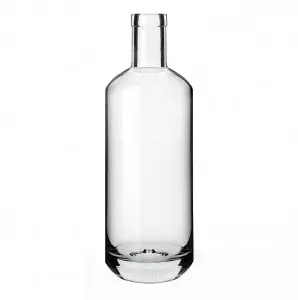
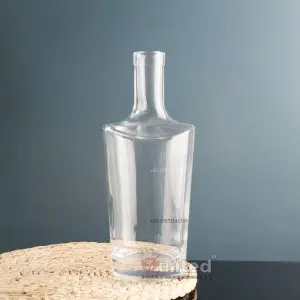
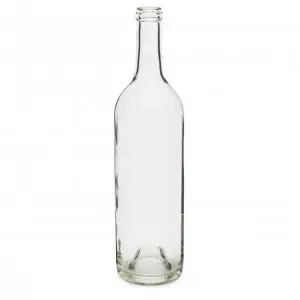
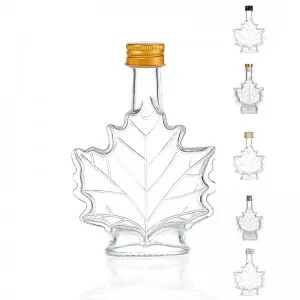
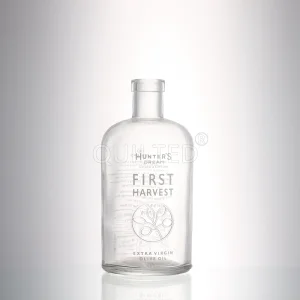
China Bottom Wine Bottle Manufacturer & Supplier

Engineering Premium Punt Configurations and Advanced Structural Integrity for Wineries and Distilleries Worldwide

Industrial Custom Glass Packaging Services

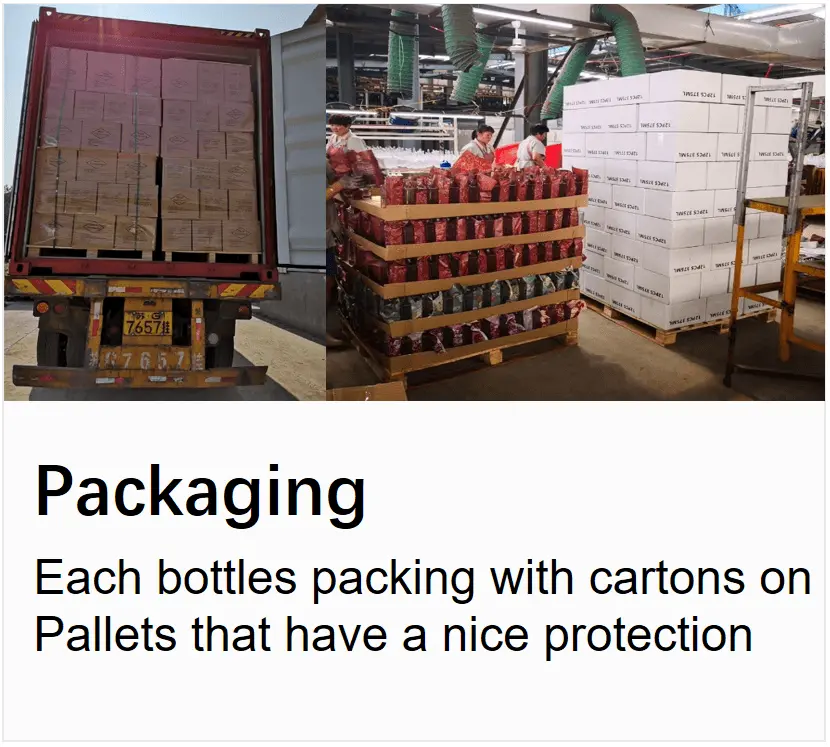
From bespoke model crafting to large-scale international consignments, our factory operations are optimized for speed, precision, and cost control.

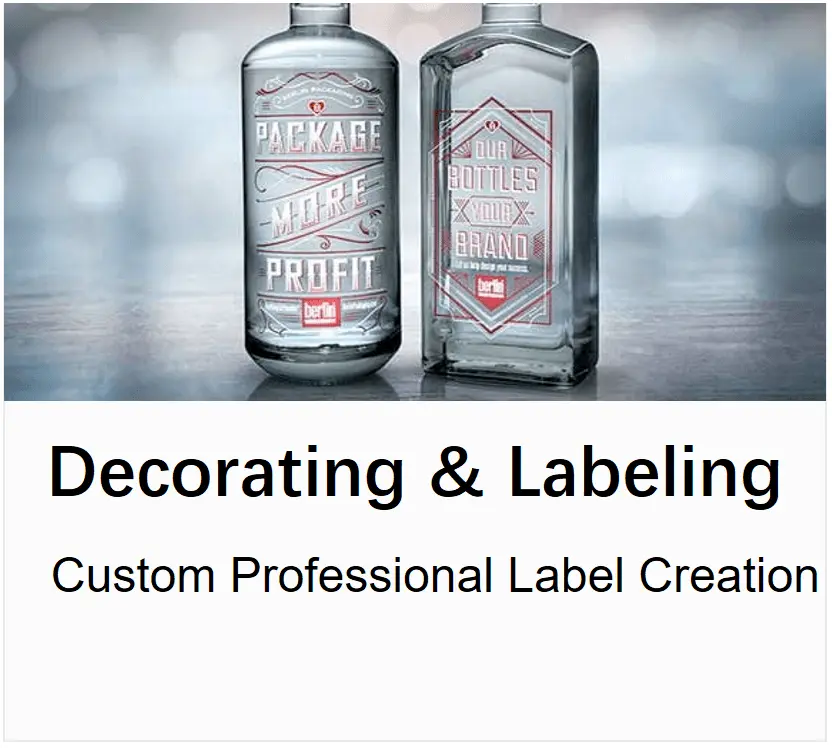
Custom Glass Packaging Service

Custom Glass Packaging Service

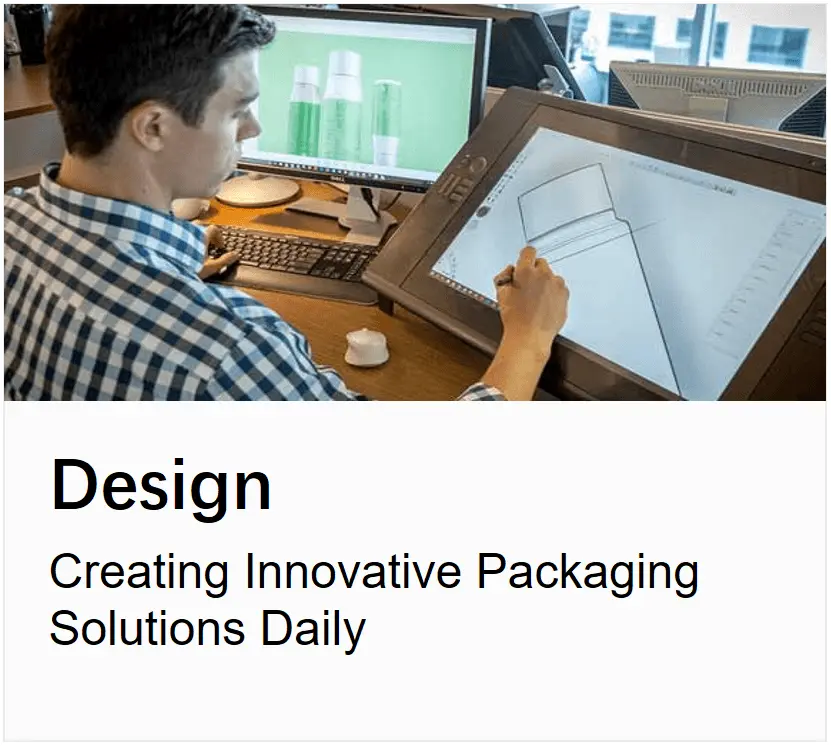
Our premier custom bottle manufacturing service, with an optimized supply chain, seamlessly transforms your concepts into stunning packaging solutions.

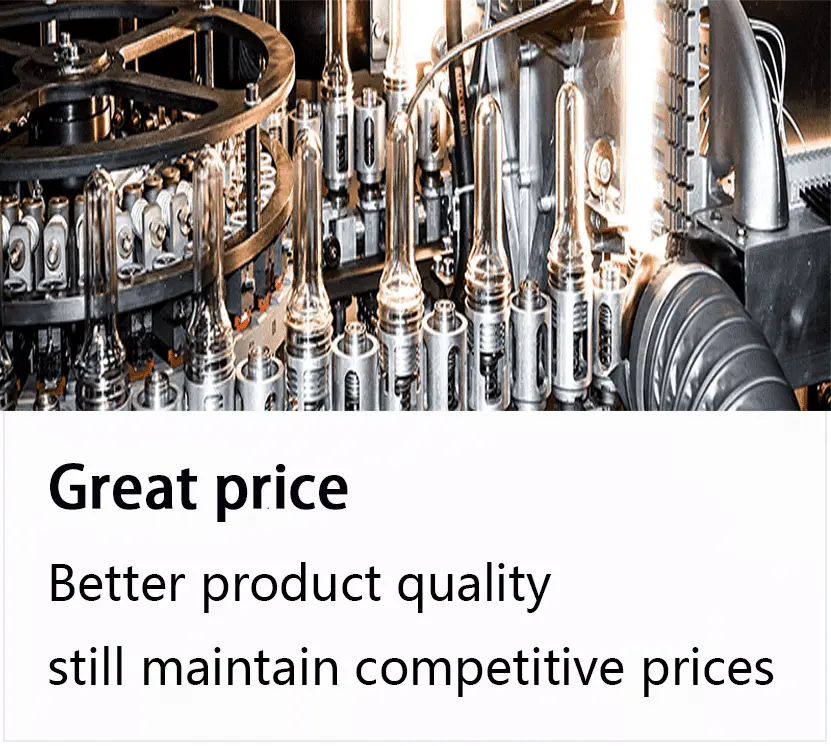
Self-Owned Bottle Glass Factory

Self-Owned Bottle Glass Factory

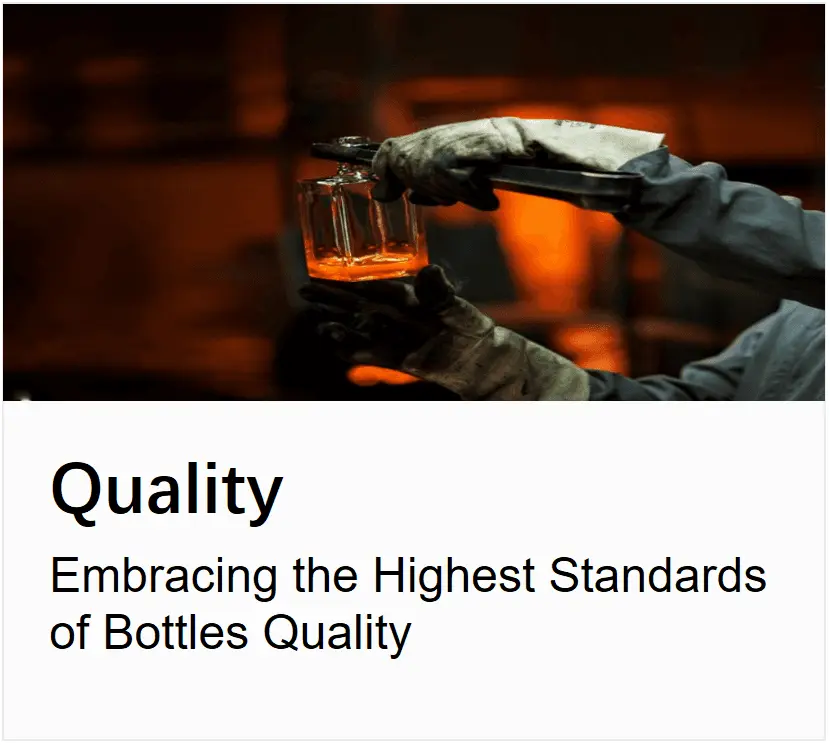
Crafting our custom glass packaging solutions within our state-of-the-art bottling facility enables us to drive down costs while ensuring swift delivery of top-notch finished goods.

Free Glass Bottle Sample

Free Glass Bottle Sample

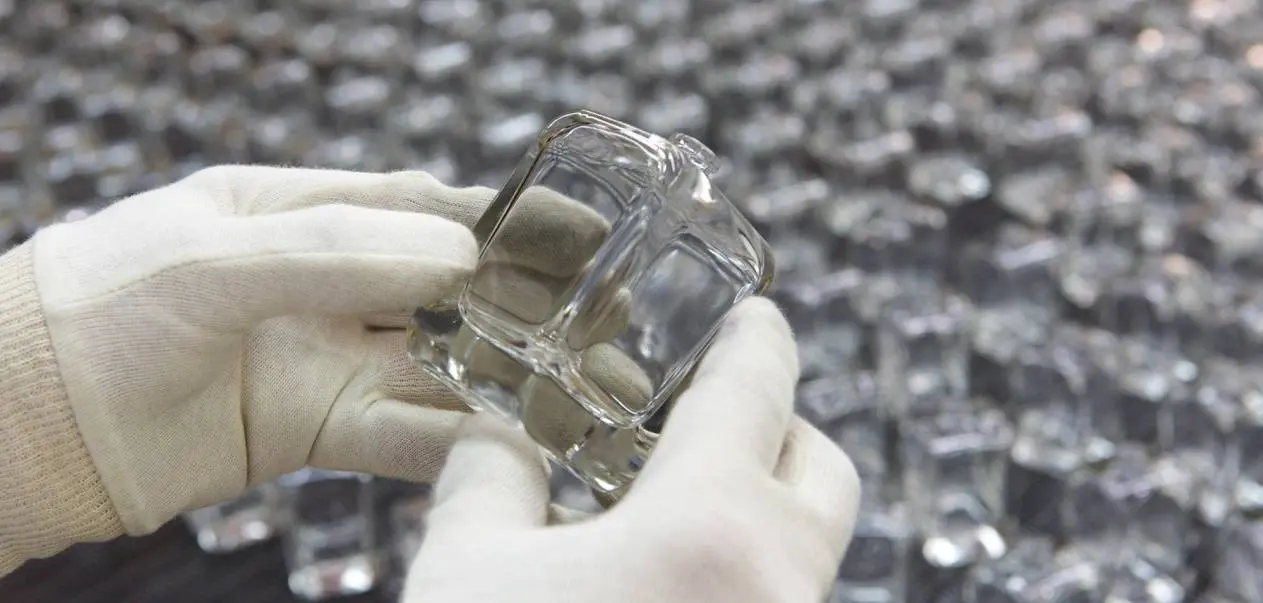
Avail yourself of our complimentary glass bottle samples, aiding you in solidifying your decision to invest in our premium glass bottle selections, facilitating bulk purchases with confidence.

Engineering the Perfect Bottom: The Physics, Science, and Commercial Dynamics of Punts

In the world of packaging materials, the engineering of the bottom of a glass wine bottle—commonly known as the "punt" or kick-up—is not merely an aesthetic choice. It is a critical functional element that blends classical mechanics, fluid dynamics, thermodynamic engineering, and cultural history. As a leading China bottom wine bottle manufacturer and supplier, our manufacturing process balances the structural load requirements of sparkling and still wines with the rigorous supply chain demands of modern global distribution networks.

Key Functional Roles of a Well-Engineered Punt:

1. Pressure Distribution: Distributes internal carbonation pressure outward to prevent glass failure.
2. Sediment Management: Funnels dense tartrate crystals and tannins to a narrow ring around the base, preserving liquid clarity during pouring.
3. Thermal Kinetics: Enhances heat dissipation rates during high-velocity annealing runs, guaranteeing uniform wall thickness.
4. Handling Ergonomics: Provides a mechanical finger pivot during traditional sommelier table presentations.

1. The Structural Physics: Why Wine Bottle Bottoms Need Precision Engineering

From a structural perspective, a dome structure is significantly stronger than a flat surface. A flat-bottomed container under high pressure (such as Champagne or carbonated cider, which can reach 6 atmospheres of pressure at room temperature) acts as a membrane under tension. The center of a flat base is vulnerable to bowing out and cracking.
By introducing a parabolic or hemispherical indent (the punt) at the base, the tensile stress exerted by the wine's internal pressure is converted into compressive stress along the curve. Glass possesses extremely high compressive strength (over 1,000 MPa) but relatively low tensile strength. Leveraging this property, our bottom wine bottles are built to endure high stress, keeping transport failure rates virtually at 0%.

2. Global Industrial & Commercial Landscape

The international demand for high-end punts is shifting due to two main factors: premiumization and eco-conscious weight reduction. Traditional wine regions in Europe, along with growing markets in North America, Australia, and South America, depend heavily on custom bottom geometries to establish brand identity.
Concurrently, global transport emissions regulations are driving the need for lightweighting. Our design team uses advanced finite element analysis (FEA) to reduce glass thickness at the shoulders and neck while keeping the base strong. This balance ensures the bottles remain safe during transport and handling while reducing their environmental footprint.
6.0+
Bar Pressure Rating
100%
Recyclable Flint & Green
0.05mm
Base Thickness Precision
80+
Global Export Markets

3. Advanced Manufacturing Technologies & Materials Science

Our manufacturing facility uses high-purity silica sand, soda ash, limestone, and premium cullet (recycled glass) to produce clear, antique green, and deep amber containers. Using advanced IS (Individual Section) blow-and-blow and press-and-blow machinery, we maintain tight control over weight, geometry, and base shape.
After shaping, our bottles go through a controlled thermal cycle in an annealing lehr. This process relieves internal stresses in the glass, with a particular focus on the transition zone between the thick base and the thinner walls. This step is essential to preventing spontaneous breakage under temperature swings or impacts during transport.

Technical Roadmap & Future Outlook

Our roadmap focuses on blending sustainable design with advanced automation, ensuring our glass products deliver maximum efficiency and reliability.

01

Eco-Optimized Punts

Using advanced 3D FEA mapping to design deep punts with up to 15% less glass weight, without sacrificing pressure resistance.

02

Hybrid Electric Furnaces

Gradually shifting to cleaner electric-boost melting furnaces to reduce carbon output during the melting process.

03

AI Inspection Systems

Using high-speed optical and laser inspection systems to identify and remove any base structural flaws in real time.

04

Custom Base Embossing

Offering high-definition base detailing, including logos, text, and QR codes, to support brand identity and product tracing.

QLT Glass Bottle Production Line
About QLT Glass
As a leading Chinese glass bottle manufacturer, we take pride in our ability to manage the production process from start to finish. Our fully integrated operations cover raw material crushing and mixing, precise batching, melting, shaping, and meticulous annealing. This end-to-end oversight ensures top-notch quality and durability at every step.
We focus on clean production methods and use state-of-the-art furnaces to reduce waste. Our team has decades of experience creating packaging for global wine brands, distilleries, and specialty food markets, ensuring we deliver reliable, high-performance glass packaging.
Partner Logo Partner Logo Partner Logo Partner Logo Partner Logo Partner Logo Partner Logo Partner Logo Partner Logo Partner Logo

Frequently Asked Questions (FAQ)

Get expert answers on glass properties, punt engineering, and ordering logistics.

Why do wine bottles have a punt at the bottom?
Originally created to ensure stability in hand-blown glass, modern punts serve to increase structural integrity under pressure, collect natural sediments, and help temper heat during the cooling process to prevent thermal cracking.
Does a deeper punt mean the wine is of higher quality?
Not necessarily. While a deeper punt is associated with traditional premium styling and is necessary for sparkling wines to handle high pressure, it does not directly affect the flavor or quality of the wine itself.
What are the benefits of choosing a China-based manufacturer?
China offers advanced production facilities, reliable raw material access, and efficient supply chains. This allows us to deliver high-quality, customized glass packaging at competitive prices and with shorter turnaround times.
How is bottom thickness consistency maintained?
We use precision molds alongside real-time laser and sensor inspections. Any bottles with thickness variations are automatically flagged and recycled back into the glass batch.
Can we custom design the base of the bottle?
Yes. We offer fully customizable bases, allowing you to emboss logos, pattern markings, or registration details to protect your brand and stand out on the shelf.