Discover our premium range of precision-crafted glass containers paired with high-performance sealing systems.
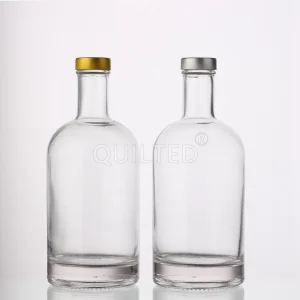
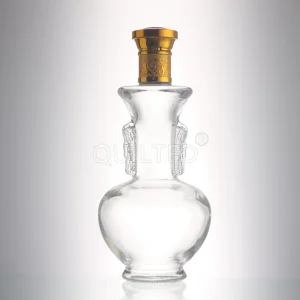
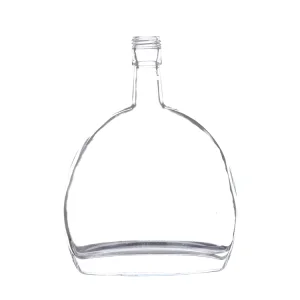
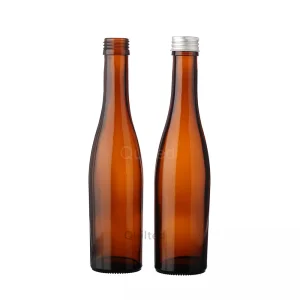
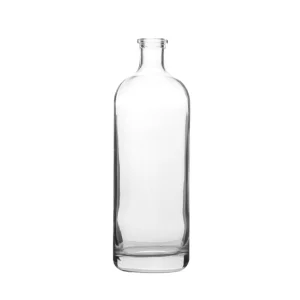
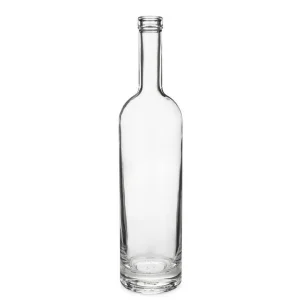
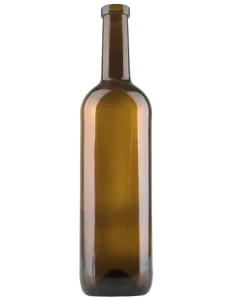
The global wine packaging industry is undergoing a structural transition driven by the dual imperatives of preservation science and environmental stewardship. Historically dominated by European raw cork oak stripping, modern supply chains require diverse sealing solutions tailored to specific commercial intents. Today's wineries demand cork structures that prevent 2,4,6-trichloroanisole (TCA) contamination, control precise Oxygen Transmission Rates (OTR), and support rapid high-volume bottling configurations.
As consumer preferences align with carbon-neutral packaging, the integration of premium glass vessels with appropriate closure mechanics has emerged as a key market differentiator. Whether employing micro-agglomerated natural corks, food-grade synthetic polymers, or luxury glass T-top designs, wineries require closures that provide structural integrity over decades of storage. For volume-centric distributors, establishing a reliable flow of standardized, food-safety compliant cork elements is foundational to operations.
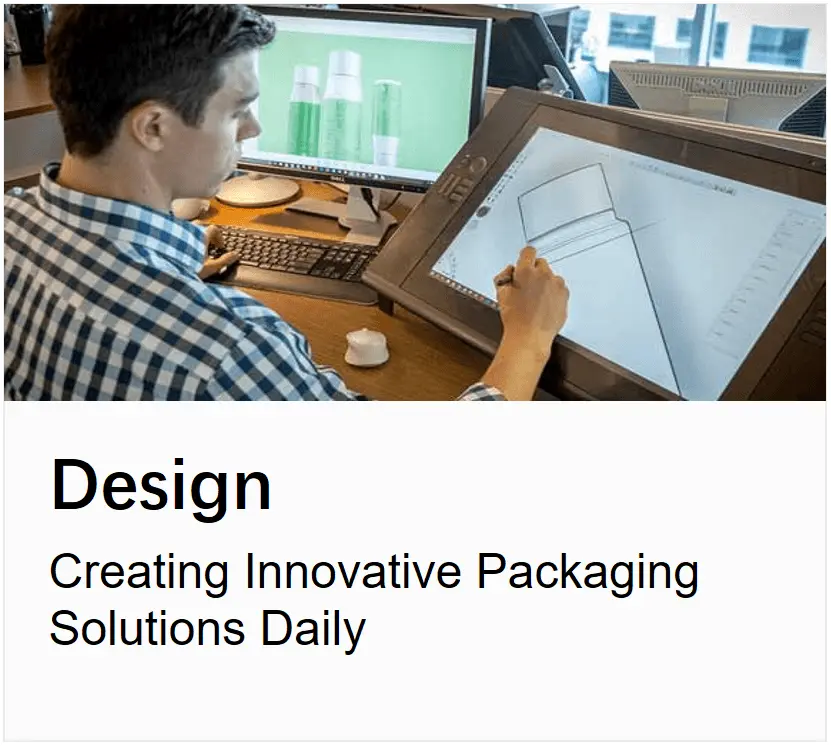
Unlocking supply chain value through vertical integration, from bespoke bottle prototyping to global delivery.


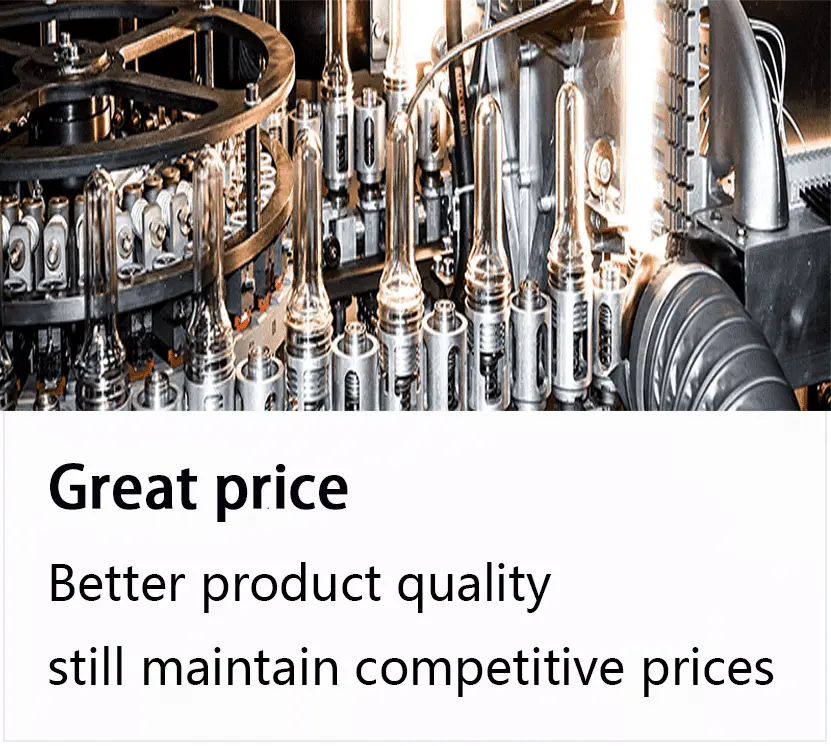
Modern packaging lines require precision compatibility between the bottle neck bore and the closure diameter. As a leading specialized manufacturer, we implement high-accuracy production lines designed to support glass container dynamics. China's manufacturing ecosystems leverage automated sorting, digital moisture testing, and high-frequency sterilization systems to produce closures that match demanding international specifications.
By coordinating bottle molding with cork sizing internally, we reduce tolerances below 0.2mm. Our state-of-the-art sterilization techniques eliminate potential mold spores, yeast strains, and off-odor precursors. Standardizing this synergy between glass manufacturing and technical closure engineering reduces the risk of leakage, oxidization, and carbonation loss during storage and transport.
| Closure Category | Primary Material Composition | Bore Range Compatibility | Ideal Application Scenario |
|---|---|---|---|
| Natural Cork Plugs | Premium Quercus Suber Bark strips | 18.5mm - 21.5mm standard | Long-term aging premium red wines |
| Micro-Agglomerated Corks | Purified cork granules + food-grade binders | 17.5mm - 22.0mm customizable | Still wines intended for 2-5 year cycles |
| Synthetic/Polymer Closures | Thermoplastic Elastomers (TPE) | 19.0mm - 21.5mm high speed lines | High-acid spirits, gin, fast-turnaround white wines |
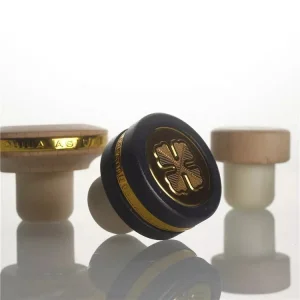
| Glass-Wooden Hybrid T-Corks | Solid wood top + tempered glass seal ring | Custom neck geometries | Ultra-premium whiskey, brandy, decanter carafes |
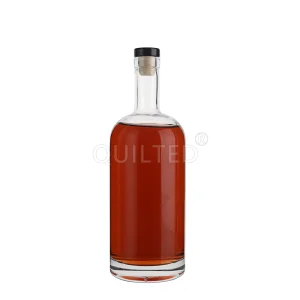
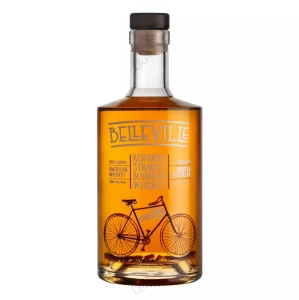
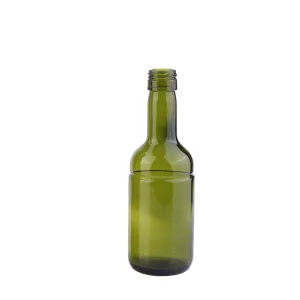
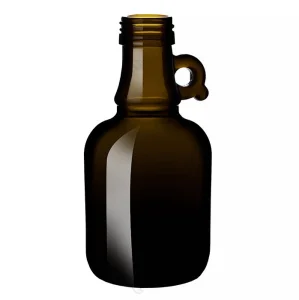
In Stock, On Time: QLT Glass, Your Swift Solution for Premium Packaging. Ready to Ship Excellence!
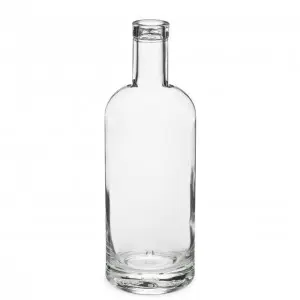
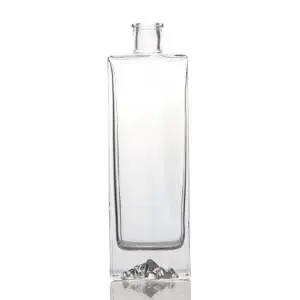
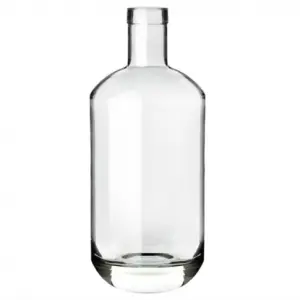
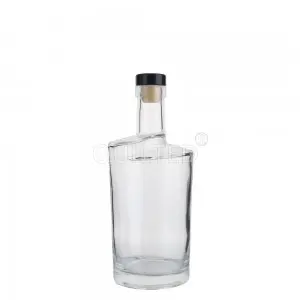
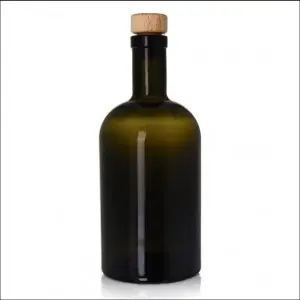
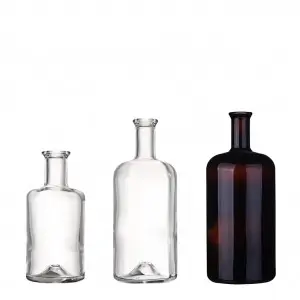
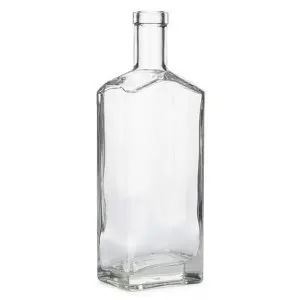
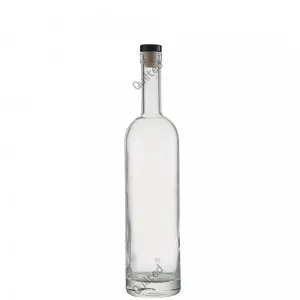
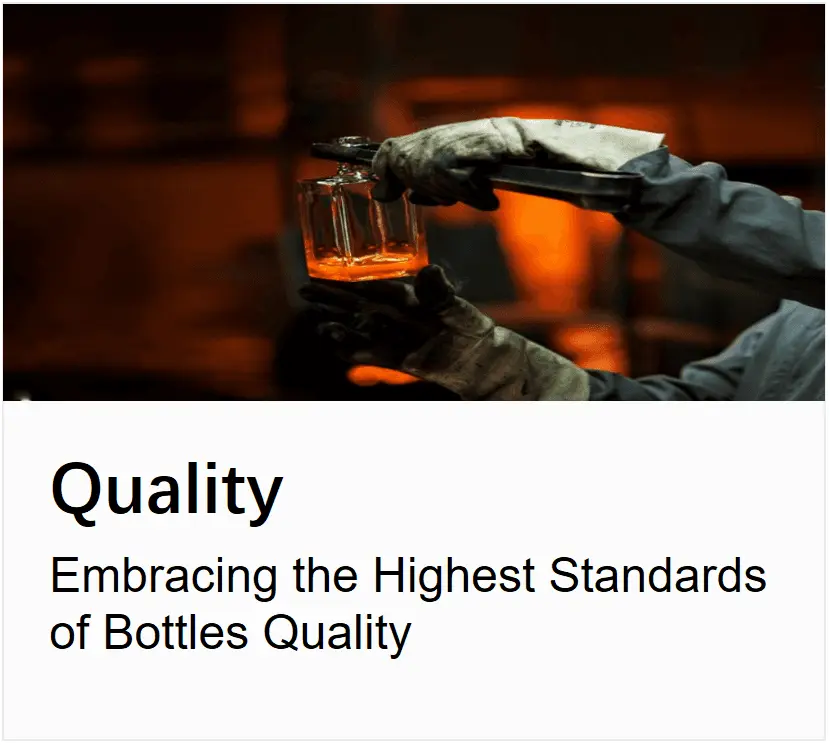
As a leading Chinese glass bottle manufacturer, we take pride in our ability to produce glass bottles from start to finish. Our integrated processes encompass raw material crushing and mixing, precise batching, melting, shaping, and meticulous annealing, ensuring top-notch quality at every step.
By controlling both container fabrication and cooperating directly on matching closure developments, we offer global clients a friction-free integration process that improves processing efficiency, eliminates sealing mismatches, and reduces packaging losses on high-speed bottling lines.
Read More →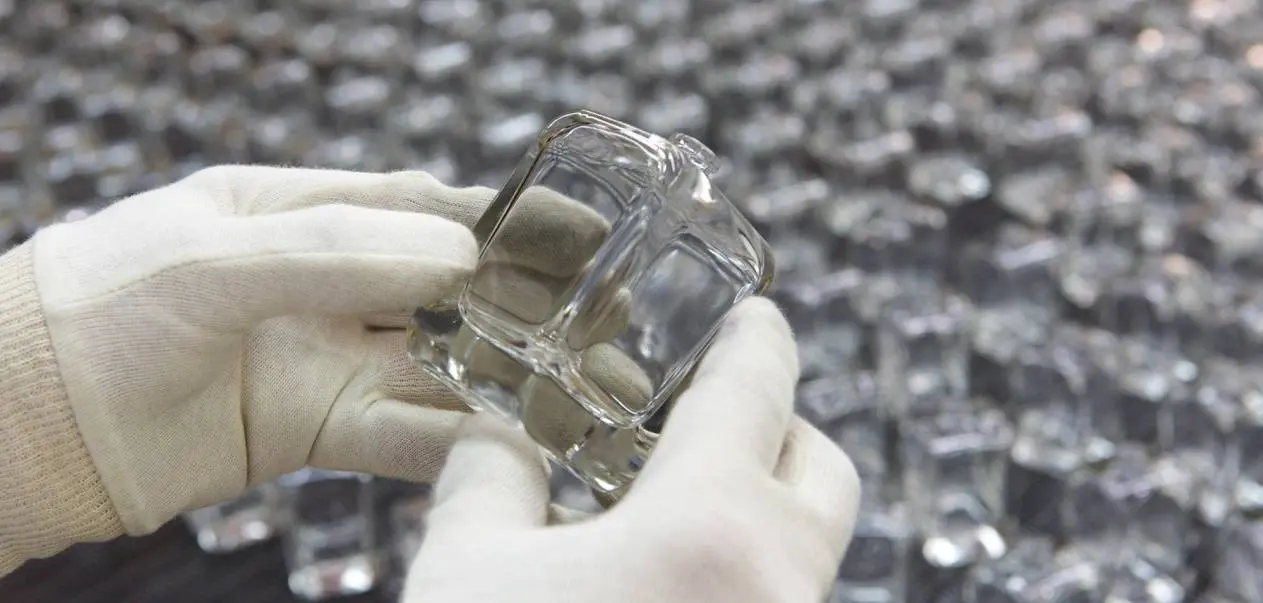
The chemical profile of premium wine corks dictates the final quality of aged wine. Traditional natural cork contains sensory-active chemical compounds that can alter the flavor of wines if not thoroughly treated. Our manufacturing facilities employ specialized steam-cleaning extraction procedures designed to isolate and eliminate volatile organic compounds (VOCs). Testing protocols utilize gas chromatography-mass spectrometry (GC-MS) instrumentation to ensure cork batches align with international safety criteria.
For high-acid spirits, our synthetic line focuses on chemical inertness. Synthetic materials resist degradation from alcohol levels over 40% ABV, preventing plasticizer migration. This detailed configuration ensures product flavor remains unchanged from bottling to final pour, extending the shelf-life of high-value brands across global markets.
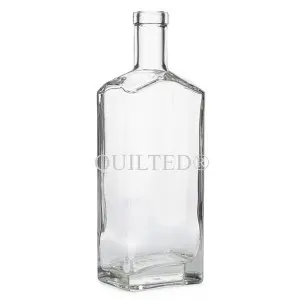
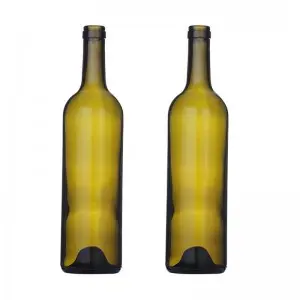
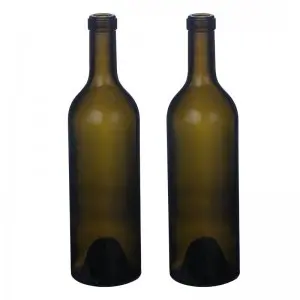
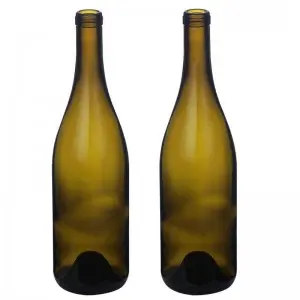
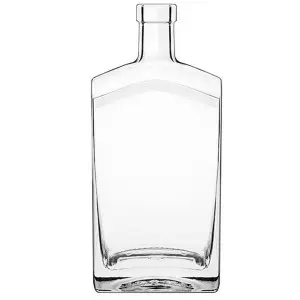
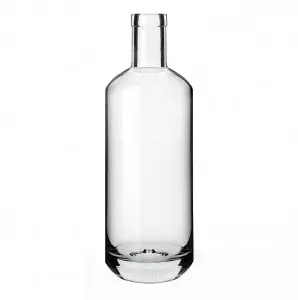
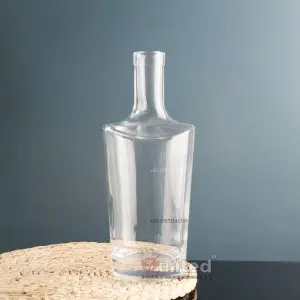
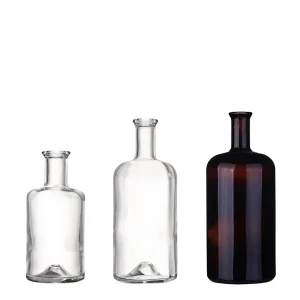
Optimized glass packaging options for wines, spirits, and specialties designed for international freight and high fill reliability.
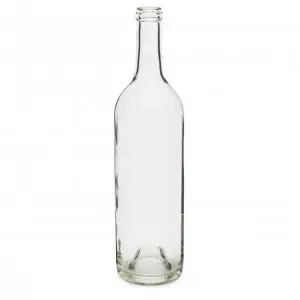
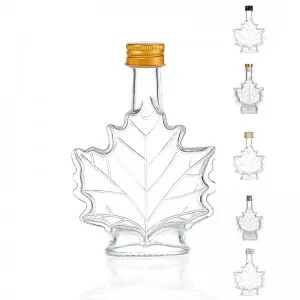
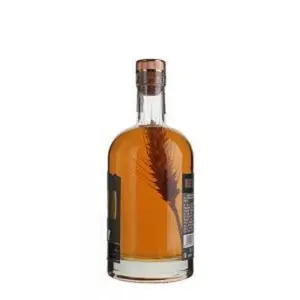
Global procurement teams must balance unit costs, safety standards, and performance limits. When importing cork and glass bottle sets from China, buyers should verify key material certifications, including FDA compliance for food-contact items, LFGB authorization for European distribution, and ISO9001 quality system management.
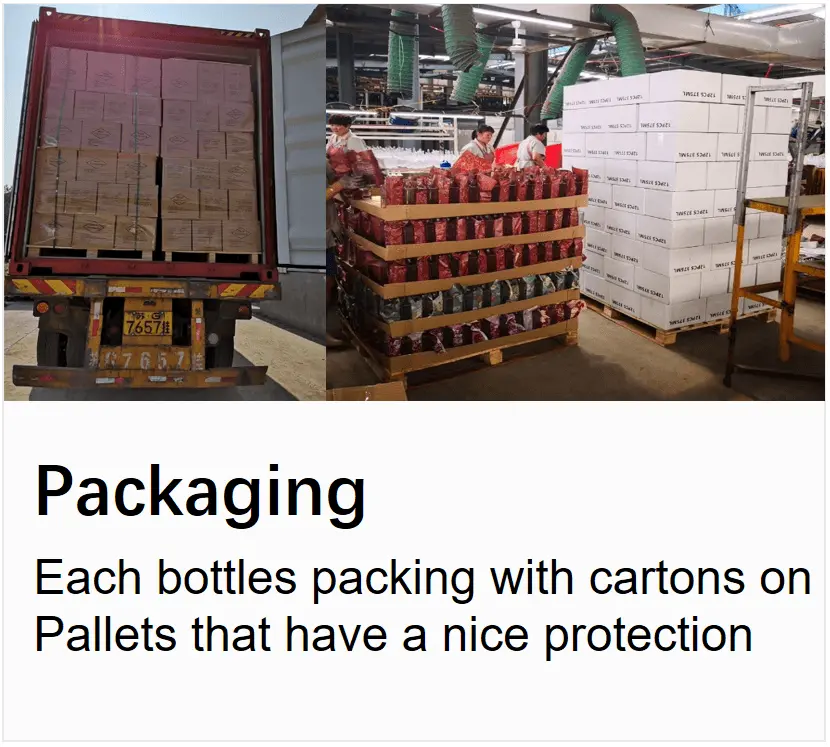
Additionally, logistics integration must protect components during maritime shipping. Corks are susceptible to ambient moisture shifts; we utilize sealed, dry barrier linings within shipping container units to control humidity levels and protect natural fibers from decay. Co-shipping cork packages with glass bottle pallets stabilizes the shipping micro-environment, reduces handling requirements, and lowers final import duties.
Expert technical insights regarding quality assurance, physical compatibility, and container logistics.
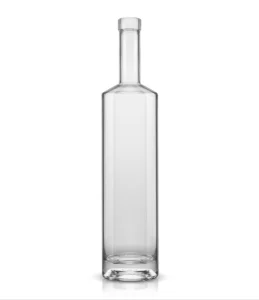
Browse additional standard and custom designs available for worldwide shipping.

 QLT Glass
