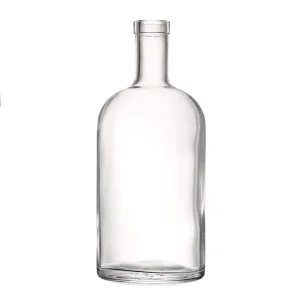
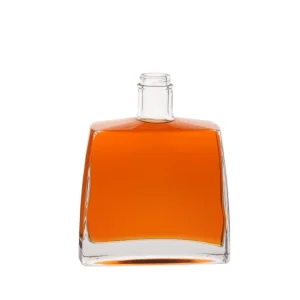
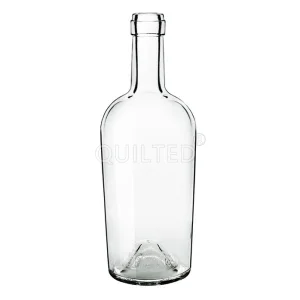
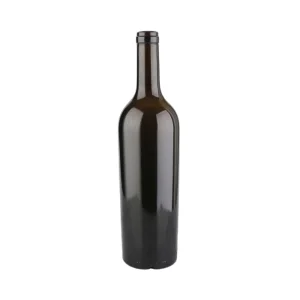
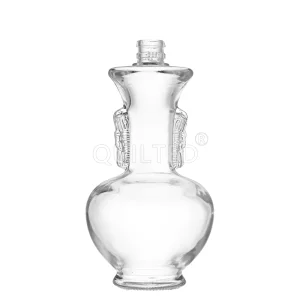
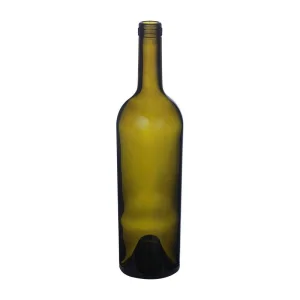
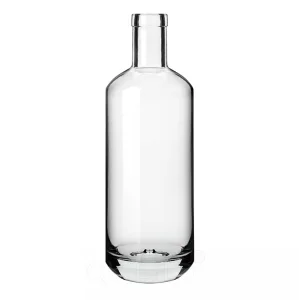
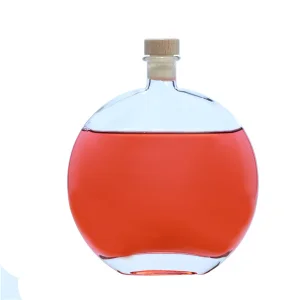
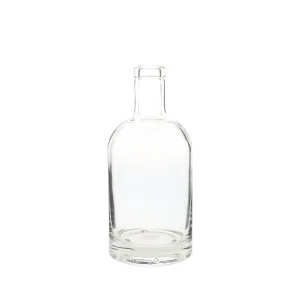
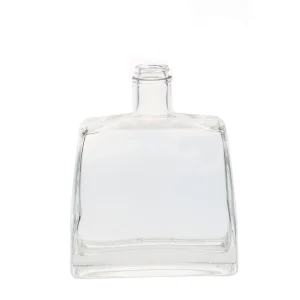
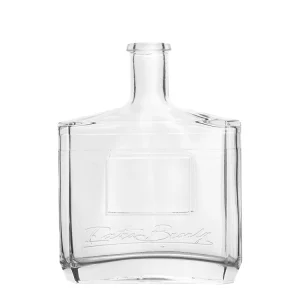
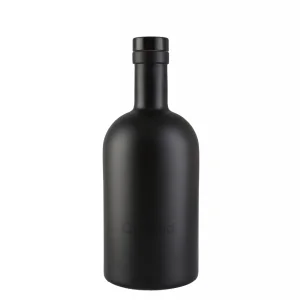
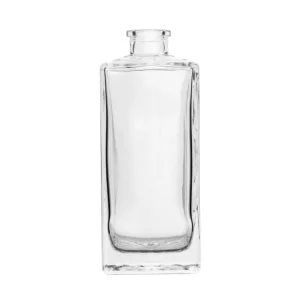
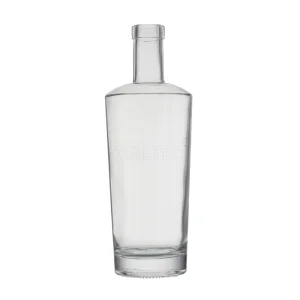
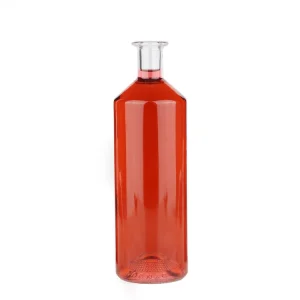
Precision-engineered glass packaging optimized for premium cork stopper applications.
The convergence of tradition and high-tech manufacturing in the 21st century.
The global wine cork market is projected to reach $1.5 billion by 2028. While Portugal remains the historical heartland of Quercus suber, China has emerged as a powerhouse in the manufacturing of technical and micro-agglomerated corks. Chinese manufacturers leverage advanced polymer research to combine natural cork granules with food-safe binders, creating closures that offer the "ritual" of natural cork with the consistency of screw caps.
Cork is one of the most sustainable materials on earth. A single wine cork sequesters up to 112g of CO2. Manufacturers in China are now integrating FSC (Forest Stewardship Council) certified bark with localized production efficiencies to reduce the carbon footprint of the global wine supply chain, serving markets in Australia, North America, and Europe with a lower logistical impact.
The industry’s "North Star" is the elimination of 2,4,6-trichloroanisole (TCA), the compound responsible for "cork taint." Modern Chinese manufacturing facilities utilize steam distillation and supercritical CO2 extraction processes to ensure that stoppers are TCA-free (below the limit of quantification), providing premium wineries with the reliability they demand for high-end vintages.
Bridging the gap between raw material and premium shelf presence.

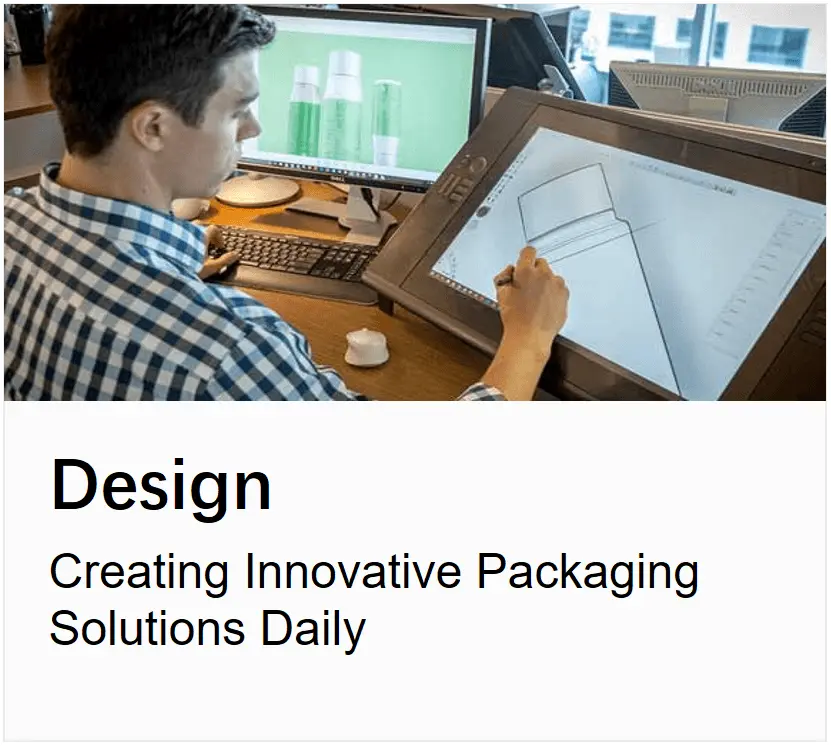
Our premier custom bottle manufacturing service, with an optimized supply chain, seamlessly transforms your concepts into stunning packaging solutions.

Crafting our custom glass packaging solutions within our state-of-the-art bottling facility enables us to drive down costs while ensuring swift delivery.

Avail yourself of our complimentary glass bottle samples, aiding you in solidifying your decision to invest in our premium selections.
Technological trends reshaping the preservation of liquid gold.
Emerging technology includes the embedding of NFC (Near Field Communication) tags inside the cork or the capsule. This allows consumers to verify authenticity and trace the bottle's journey via a smartphone, combating the multi-billion dollar counterfeit wine market.
Different wines require different oxygen transmission rates (OTR). We are developing stoppers with engineered permeability, allowing winemakers to choose a "3-year," "5-year," or "10-year" cork that dictates exactly how much air enters the bottle over time.
The next generation of micro-agglomerated corks focuses on eliminating traditional polyurethane binders in favor of plant-based polyols derived from castor oil or other renewable sources, achieving 100% bio-compostability.
How stoppers and glass synergy create market-leading brands.
As a leading Chinese manufacturer, we don't just sell components; we provide Integrated Sealing Systems. The interaction between the bottleneck's inner diameter (bore) and the cork's recovery rate (elasticity) is critical. Our lab tests ensure that when you purchase our bottles and stoppers together, the "extraction force" remains consistent between 200N and 400N, preventing both leaks and broken corks.
For high-volume spirits brands, we offer "T-Top" or "Bartop" corks—natural cork heads bonded to wood, glass, or recycled plastic tops. These are engineered for repeat use, maintaining a vacuum-tight seal even after dozens of openings.
"The cork is the only thing standing between your wine and the atmosphere. Investing in a technical cork from a high-tech Chinese facility is often more reliable than low-grade natural cork from traditional sources."
— SEO Growth Director, Packaging Insights
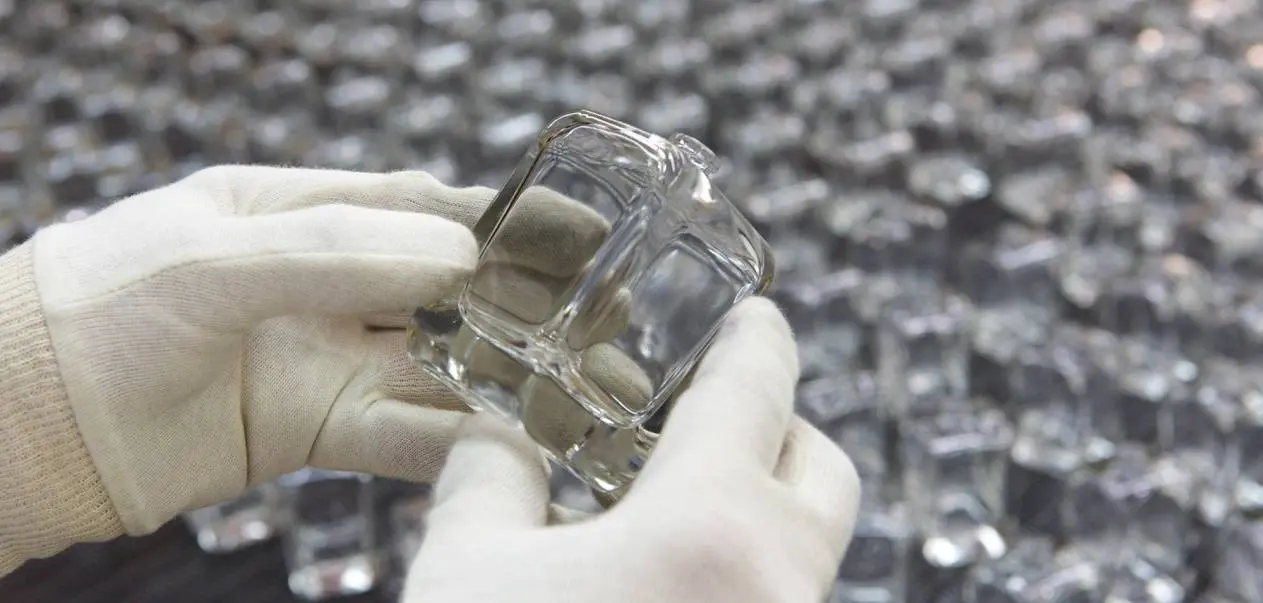
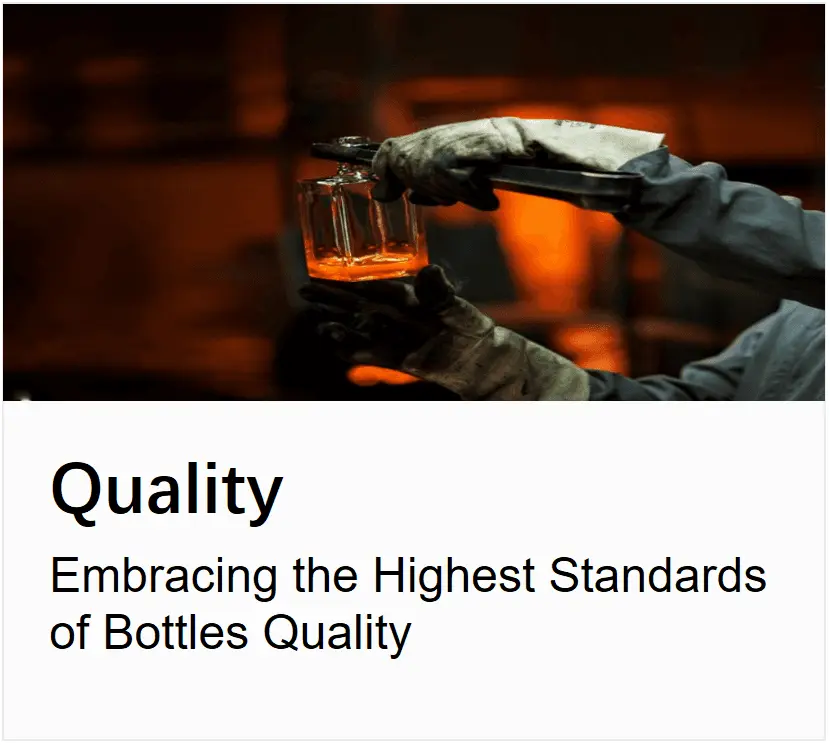
As a leading Chinese glass bottle manufacturer, we take pride in our ability to produce glass bottles from start to finish. Our integrated processes encompass raw material crushing and mixing, precise batching, melting, shaping, and meticulous annealing, ensuring top-notch quality at every step.
Explore Our FactoryProfessional answers for B2B procurement managers.
Natural cork is a single piece of bark. Technical cork (like micro-agglomerated) is made from cork granules. Technical corks offer much higher consistency in oxygen transmission and are generally safer from TCA contamination.
We use precision calipers to match the bottle's neck finish (usually 18.5mm or 21.5mm) with a cork that is 1-2mm larger in diameter, ensuring the ideal compression ratio for a 20-year seal.
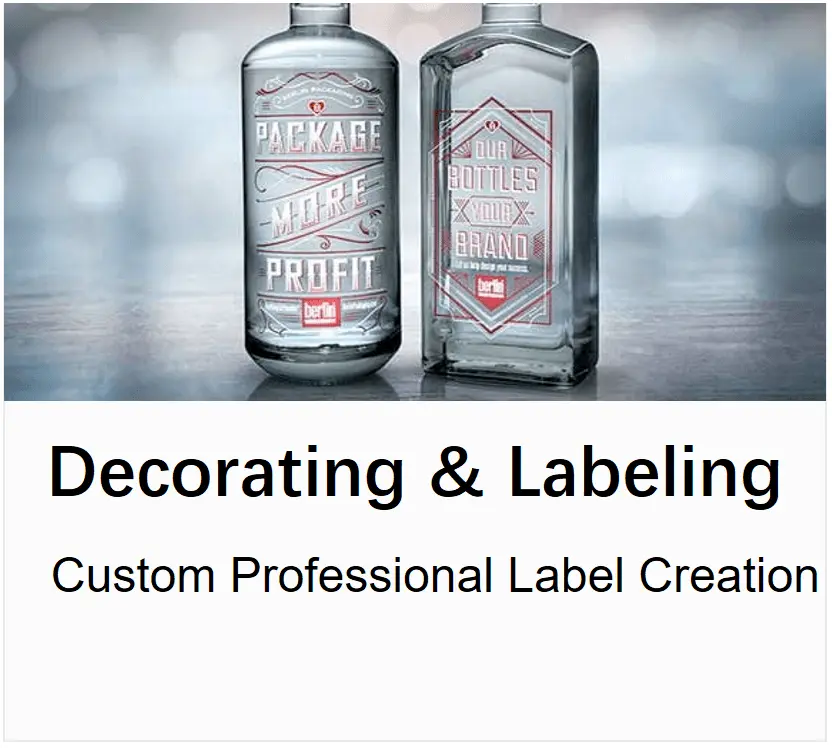
Yes, we use laser engraving or food-grade ink branding. Laser engraving is preferred for high-end brands as it requires no chemicals and provides a permanent, elegant finish.
Typical production lead times are 25-35 days, with shipping to major ports (LA, Rotterdam, Sydney) taking an additional 20-30 days.
Complete your product line with our globally-trusted manufacturing standards.
 QLT Glass