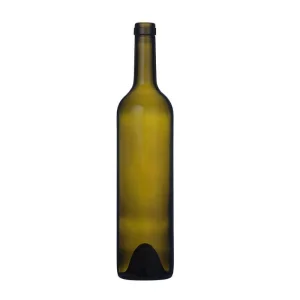
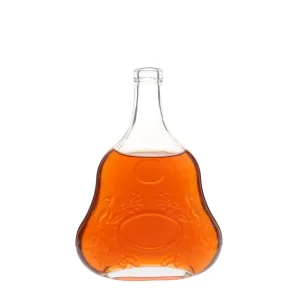
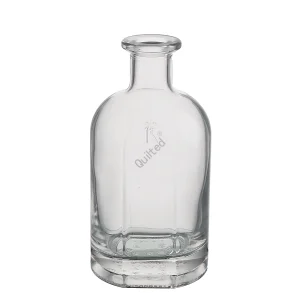
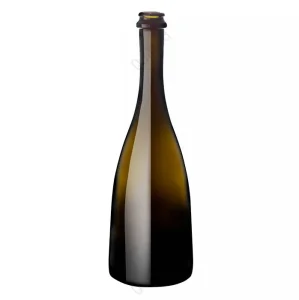
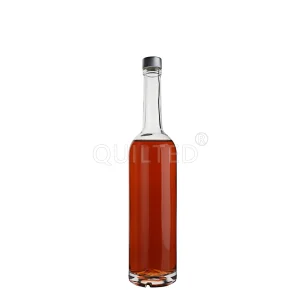
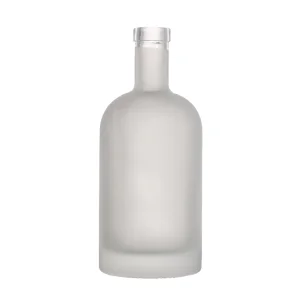
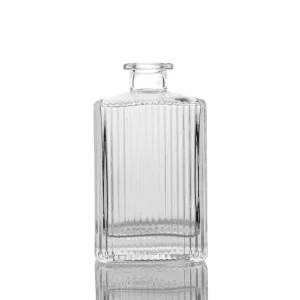
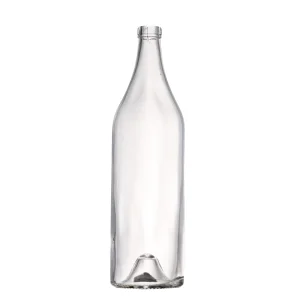
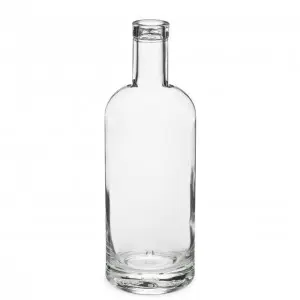
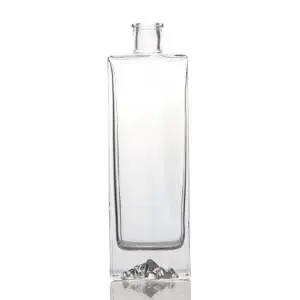
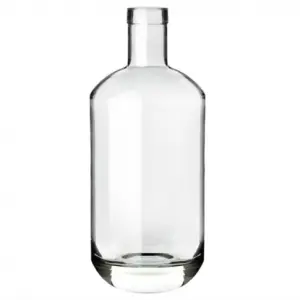
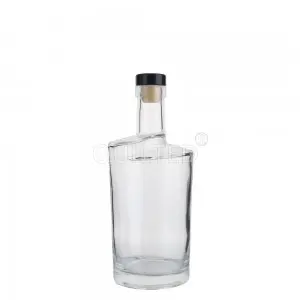
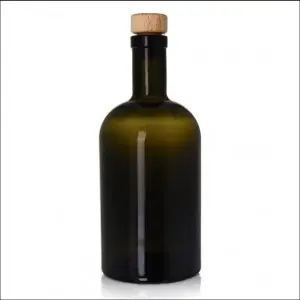
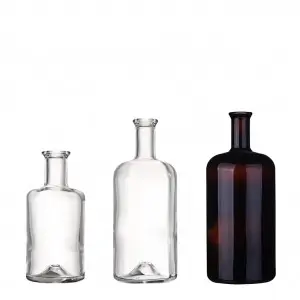
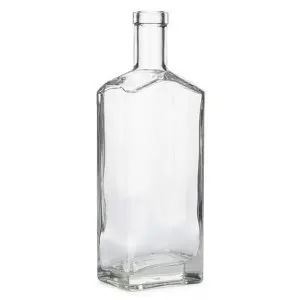
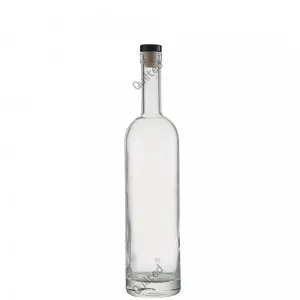
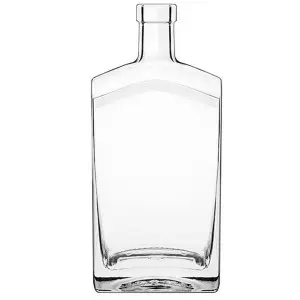
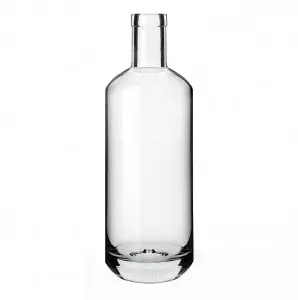
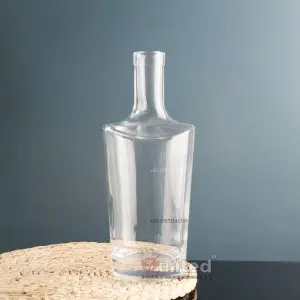
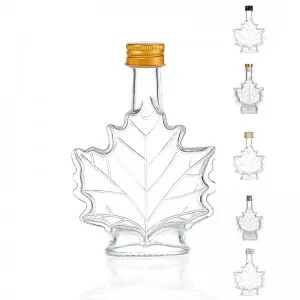
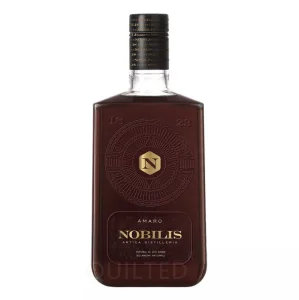
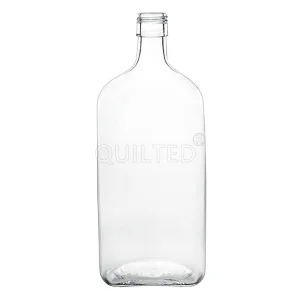
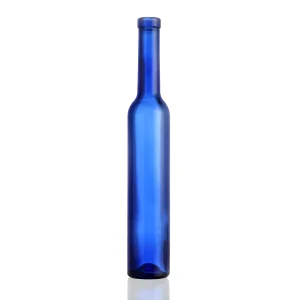
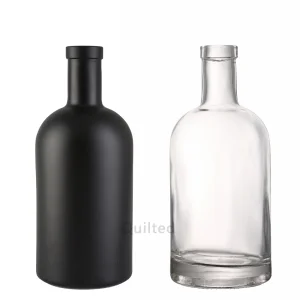
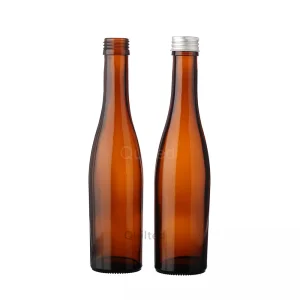
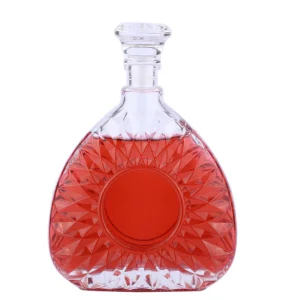
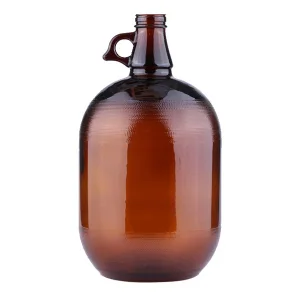
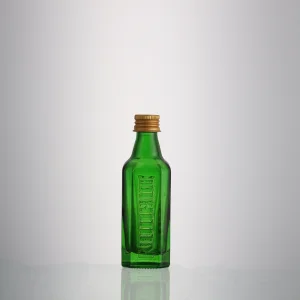
Explore our flagship empty glass wine bottles manufactured to the highest aesthetic and durability standards. Standard designs and bespoke creations available for global commercial shipment.
Empowering wineries and distilleries globally with end-to-end support, state-of-the-art technology, and verified custom solutions.

Our premier custom bottle manufacturing service, with an optimized supply chain, seamlessly transforms your concepts into stunning packaging solutions, ensuring strict tolerance and perfect glass clarity.

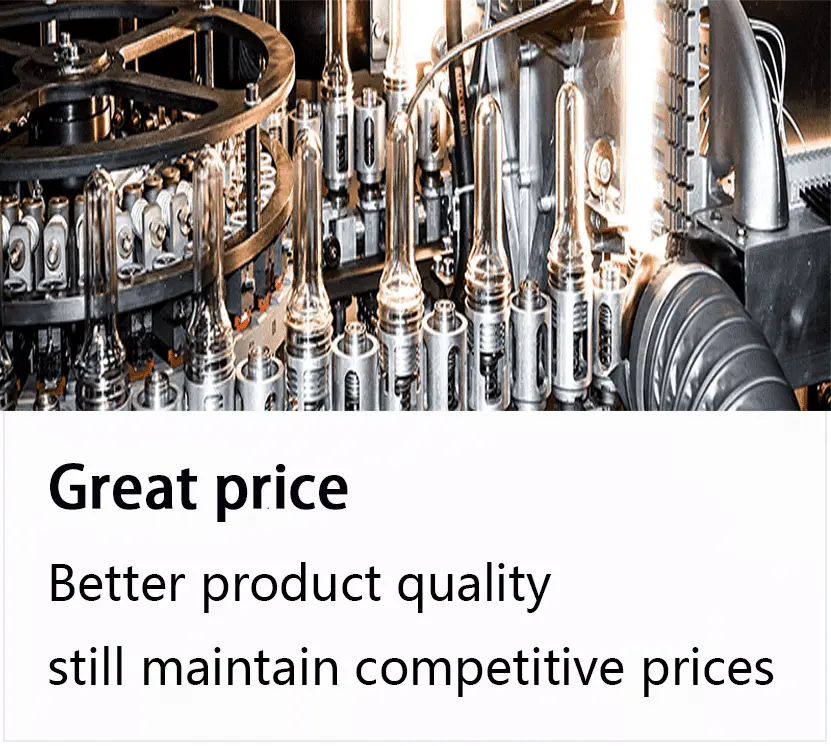
Crafting our custom glass packaging solutions within our state-of-the-art bottling facility enables us to drive down costs while ensuring swift delivery of top-notch finished goods, without middlemen overheads.

Avail yourself of our complimentary glass bottle samples, aiding you in solidifying your decision to invest in our premium glass bottle selections, facilitating bulk purchases with complete performance confidence.
In the highly competitive beverage and spirits industry, structural integrity, optical purity, and custom branding act as primary drivers for consumer perceived value. For global wineries, craft distilleries, and bulk wine distributors, securing high-quality glass containers is not merely a task of sourcing but a strategic imperative. As a leading China-based manufacturer, we focus on engineering fancy empty wine bottles that meet rigorous aesthetic demands while guaranteeing physical performance under high mechanical stress, rapid bottling line speeds, and complex global logistics chains.
Sourcing glass bottles directly from China offers significant economic and structural benefits. Our self-owned glass plant utilizes modern automated production infrastructure, combining advanced batching methods with energy-efficient regenerative furnaces. The optimization of raw materials, consisting of high-purity silica sand, soda ash, and limestone, is monitored via automated control systems to ensure batch consistency and eliminate impurities.
Unlike regional suppliers who broker third-party glass, our integrated plant operates 24/7. This continuous operation dramatically stabilizes thermal conditions in the furnace, ensuring minimized defects such as cord lines, stone inclusions, and air bubbles. This results in consistent thickness across the bottle walls and bottom, critical for pressure-resistant sparkling wines and high-speed filling lines.
Industrial Precision Note: Automated glass forming via IS (Individual Section) machines ensures exact dimensional control over the neck finishes (cork or screwcap), which is essential to prevent micro-oxygenation and preserve product shelf life.
Exporting glass packaging to international markets demands strict adherence to food safety and chemical safety guidelines. Global procurement entities must ensure that their glass containers comply with destination-specific regulatory criteria to avoid import blockages or liability claims.
Our glass bottles are verified lead-free and cadmium-free, meeting US FDA GRAS standards and EU Regulation (EC) No 1935/2004 for safe contact with alcoholic beverages.
We comply strictly with TPCH guidelines and California Proposition 65 limits on total heavy metal content (Pb, Cd, Hg, Cr VI) to ensure environmentally sound glass recycling.
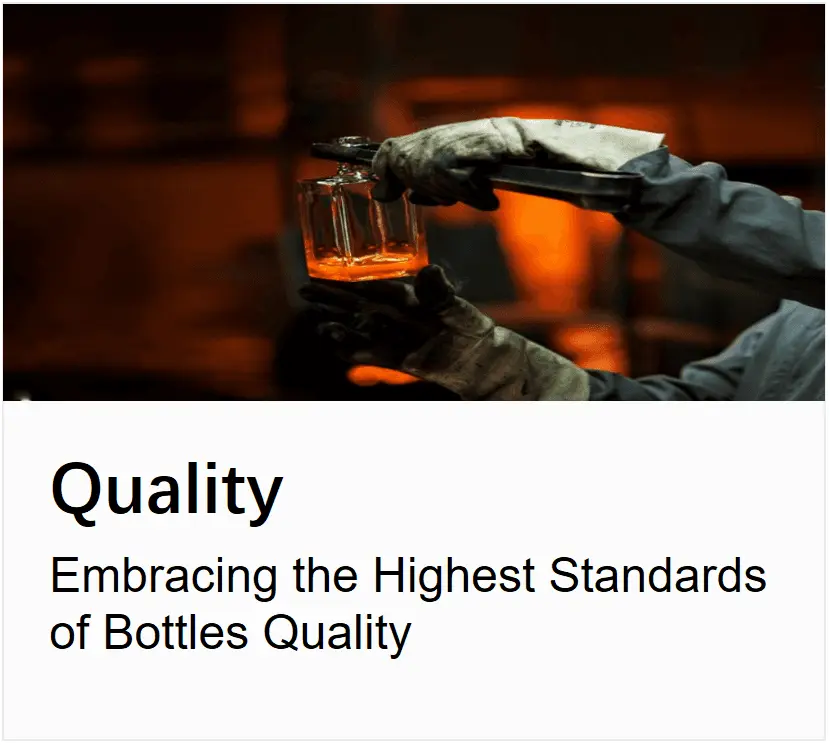
To verify structural durability, we apply offline destructive tests. Our bottles undergo thermal shock testing (resisting delta T of 42°C minimum), internal pressure testing (up to 16 bars for carbonated beverages), and vertical load strength evaluation. Our QA/QC framework is based on AQL 1.5/2.5 standards, ensuring that every batch shipped matches technical drawing dimensions and surface finish requirements.
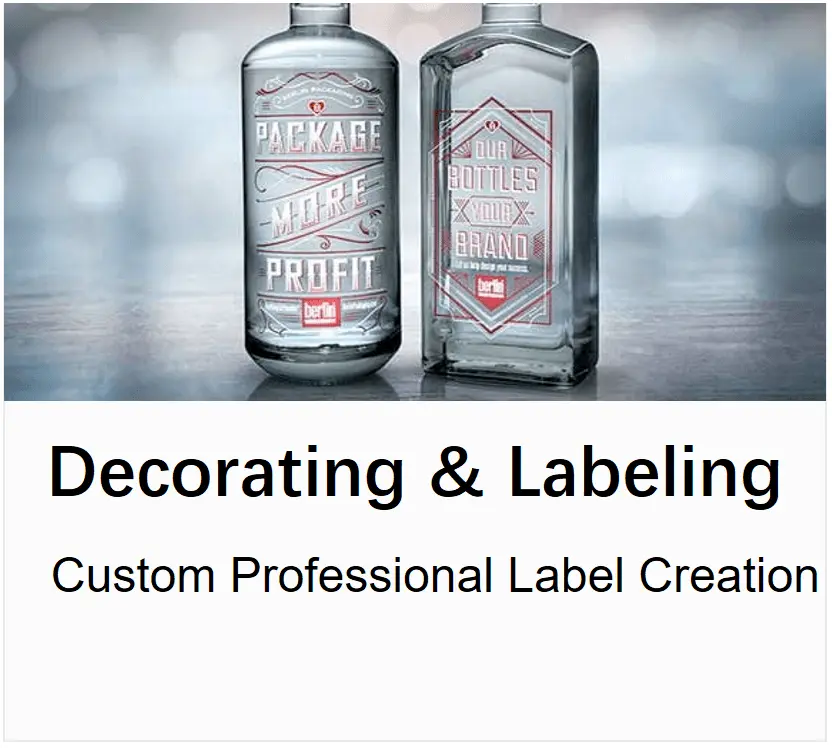
Modern consumers make buying decisions based on visual appeal. Customizing your glass bottle shape is one of the most effective ways to establish market presence and prevent counterfeiting. Our manufacturing pipeline supports extensive customization techniques:
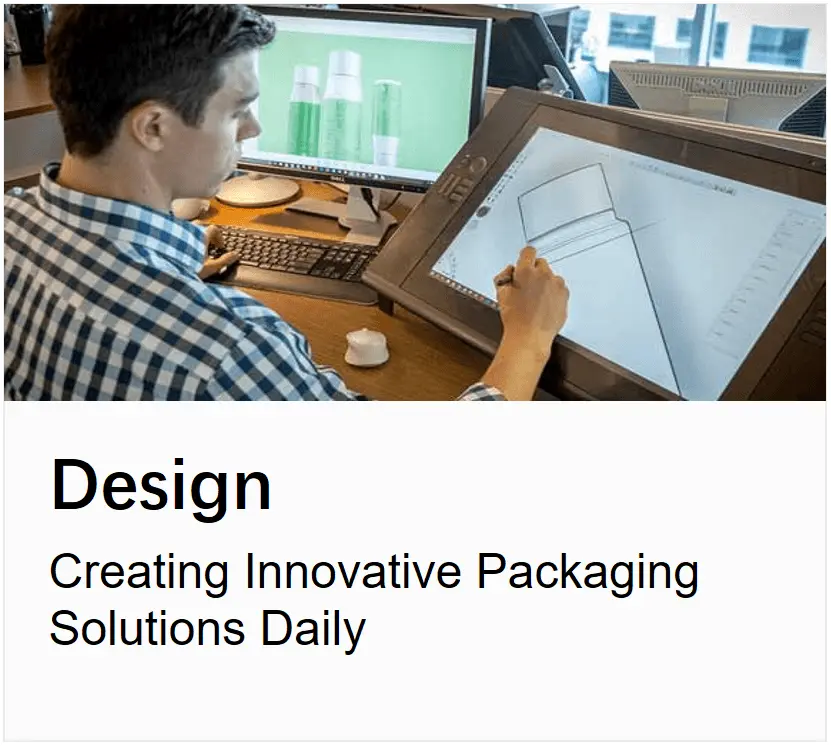
For custom mold development, our R&D team designs accurate 3D CAD files followed by 3D-printed resin mockups, allowing procurement managers to evaluate ergonomics and structural volumes before cutting steel for production molds.
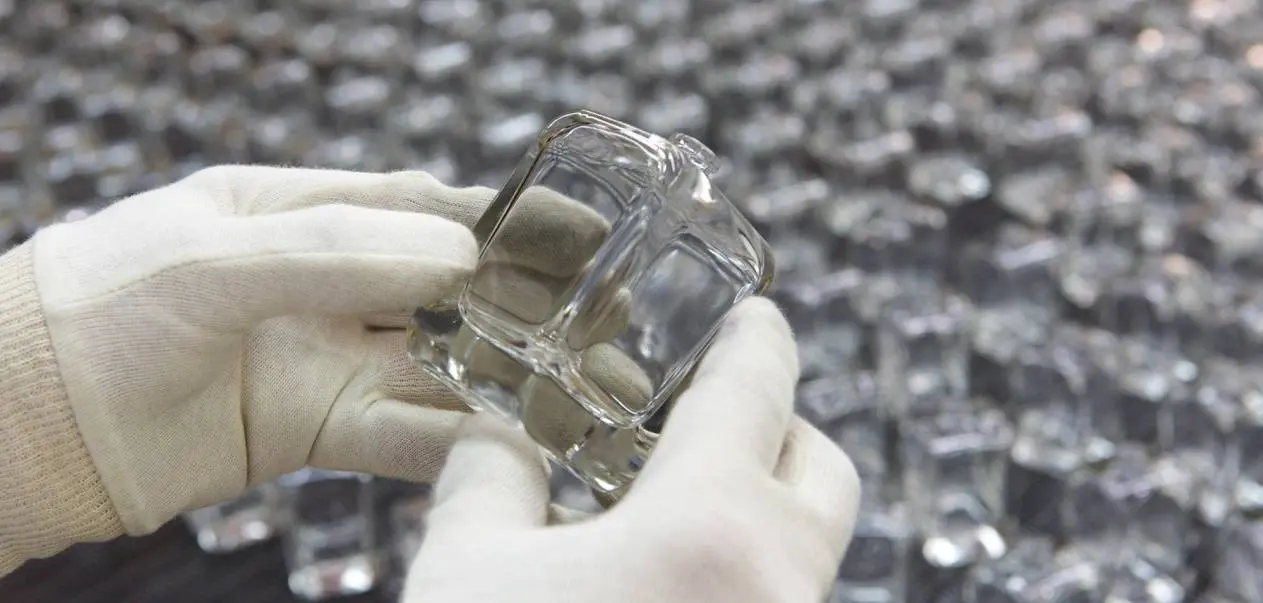
As a leading Chinese glass bottle manufacturer, we take pride in our ability to produce glass bottles from start to finish. Our integrated processes encompass raw material crushing and mixing, precise batching, melting, shaping, and meticulous annealing, ensuring top-notch quality at every step.
Over the past decades, our facility has expanded to house advanced electric control furnaces and automated inspection machines (automatic optical inspectors) that detect microscopic glass flaws. We provide a seamless B2B experience with flexible MOQ schedules, custom mold designs, and safe export shipping packaging.
Discover Our Manufacturing ProcessDifferent markets and varieties require specific glass structures. Here is how our glass products fit into international market portfolios:
The global glass packaging industry is transitioning rapidly due to eco-friendly policies and shifts in consumer taste. Keeping track of these trends helps B2B buyers purchase modern, forward-looking stock:
1. Structural Lightweighting: Decreasing the overall weight of standard bottles (e.g., from 550g down to 420g or less) without losing axial strength. This reduces transport costs and cuts down on environmental impact.
2. Increased PCR Cullet: Utilizing higher ratios of post-consumer recycled glass within green and amber glass batches to minimize carbon tax and support circular economy practices.
3. Premium Tactile Surfaces: Implementing custom textured surfaces, relief patterns, and tactile debossing on the glass body to appeal directly to sensory-focused premium buyers.
Expert insights on custom molding, minimum order quantities, logistics security, and raw material safety.
For custom custom-molded glass designs, the MOQ generally ranges between 20,000 to 30,000 units, depending on the glass weight and complexity. For standard stocked glass configurations, we support lower MOQs starting from 1 full pallet or 10,000 units.
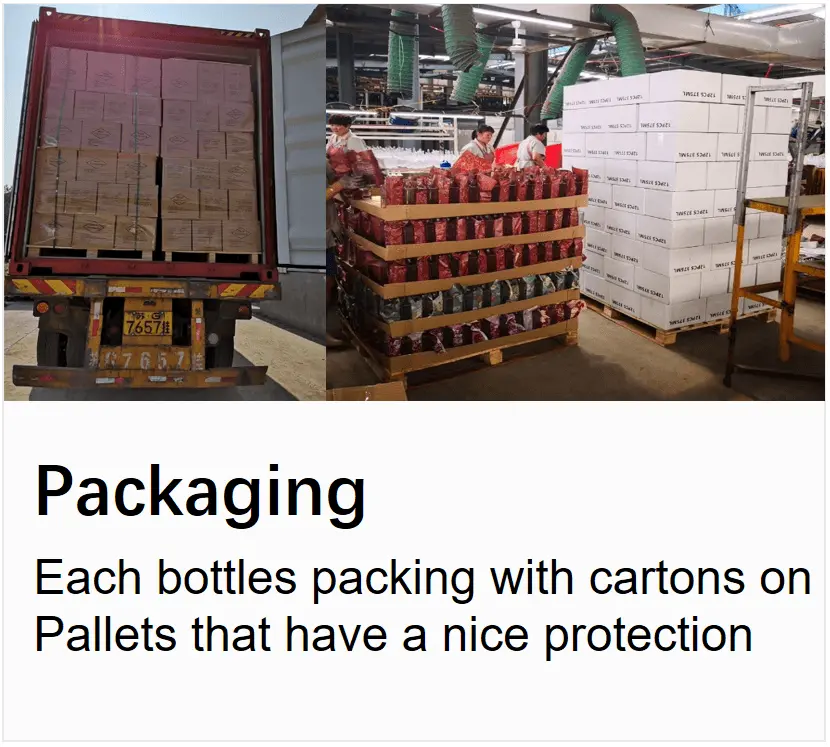
We use heavy-duty export-grade pallets with internal cardboard dividers, shrink-wrapped and bound with plastic strapping. For specialized custom items, we use custom-molded pulp trays and reinforced carton boxes to withstand sea freight and customs inspections.
Developing a custom mold starts with 3D design approval (3-5 days), followed by sample mold fabrication (15-20 days) and test-run sample production. Once the sample bottle is approved, full production molds are manufactured within 20 days, followed by mass production.
Yes. We regularly supply SGS, TÜV, or Bureau Veritas test reports detailing lead, cadmium, and migration levels to confirm our compliance with FDA, LFGB, CA Prop 65, and EU food contact regulations.
In Stock, On Time: QLT Glass, Your Swift Solution for Premium Packaging. Ready to Ship Excellence!
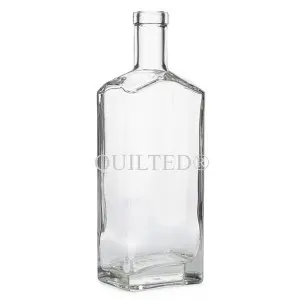
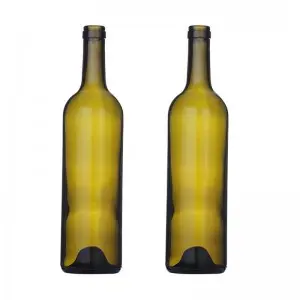
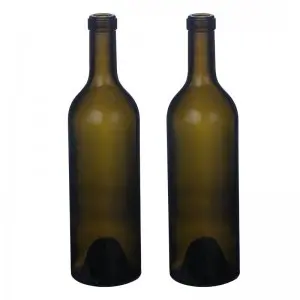
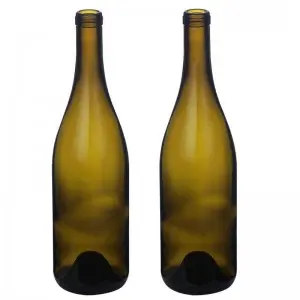
Specialized designs covering high flint spirits, classic antique green bordeaux, and customized configurations.
Complete B2B catalog options supporting multi-size configurations from mini 50ml tasters to 4L heavy-duty growlers.
 QLT Glass