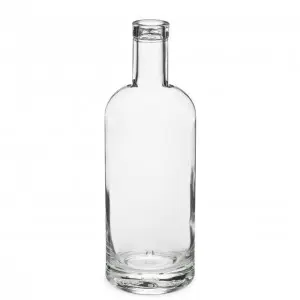
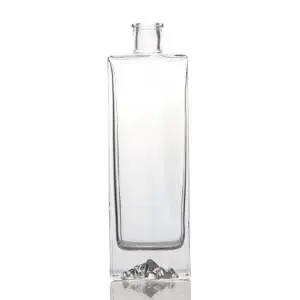
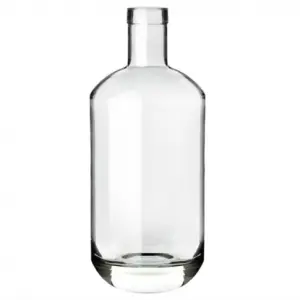
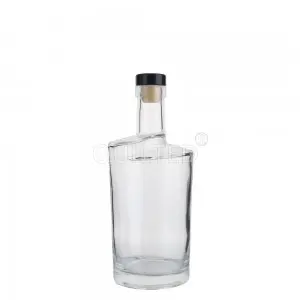
Explore our highly curated selection of professional glass containers and attachments tailored for global spirit brands and wineries.


The intersection of custom glassware engineering and consumer-centric beverage innovation has given rise to a highly specialized niche: glassware that attaches directly to wine bottles. Often utilizing food-grade silicone grommets, precision thread locks, or heavy-duty borosilicate seals, these attachment structures have graduated from novelty gifts to critical commercial accessories for wineries, hospitality giants, and premium spirits brands worldwide. Wineries leverage these functional toppers as direct-to-consumer value-add items, enabling instantaneous decanting, aeration, and portion control directly at the bottle mouth.
As the leading hub for global glass manufacturing, Chinese glass manufacturers have engineered solutions to meet strict global safety and mechanical tolerance criteria. From a business standpoint, sourcing these specialized attachment systems requires an intimate understanding of neck finish dimensions, raw material chemical durability, and food safety standards. Global procurement directors look to specialized suppliers who can guarantee structural integrity, leak-proof designs, and high aesthetic fidelity, ensuring the product fits standard cork-finish (GPI 30-400 or standard cork mouth) configurations without risking leakage or glass fracturing under pressure.
The contemporary wine accessories market is shifting decisively toward functional elegance and environmental transparency. Key industry trends driving the growth of wine bottle attachment glassware include:
Borosilicate 3.3 Mastery: Standard soda-lime glass lacks the thermal and physical shock resistance required for functional, threaded glass joints that physically insert into wine bottles. Industry leaders are now opting for high-borosilicate glass structures, which prevent stress-fractures near the silicone-glass interface.
Universal Fitting Adapters: B2B buyers now demand multi-tiered silicone seals that fit not only standard 750ml Bordeaux and Burgundy bottles but also specialty sparkling wine necks and screw-top formats. Progressive suppliers are developing modular elastomer systems that allow the same glass structure to lock securely into diverse neck configurations.
Data-driven validation of our global production and distribution performance
In Stock, On Time: QLT Glass, Your Swift Solution for Premium Packaging. Ready to Ship Excellence!
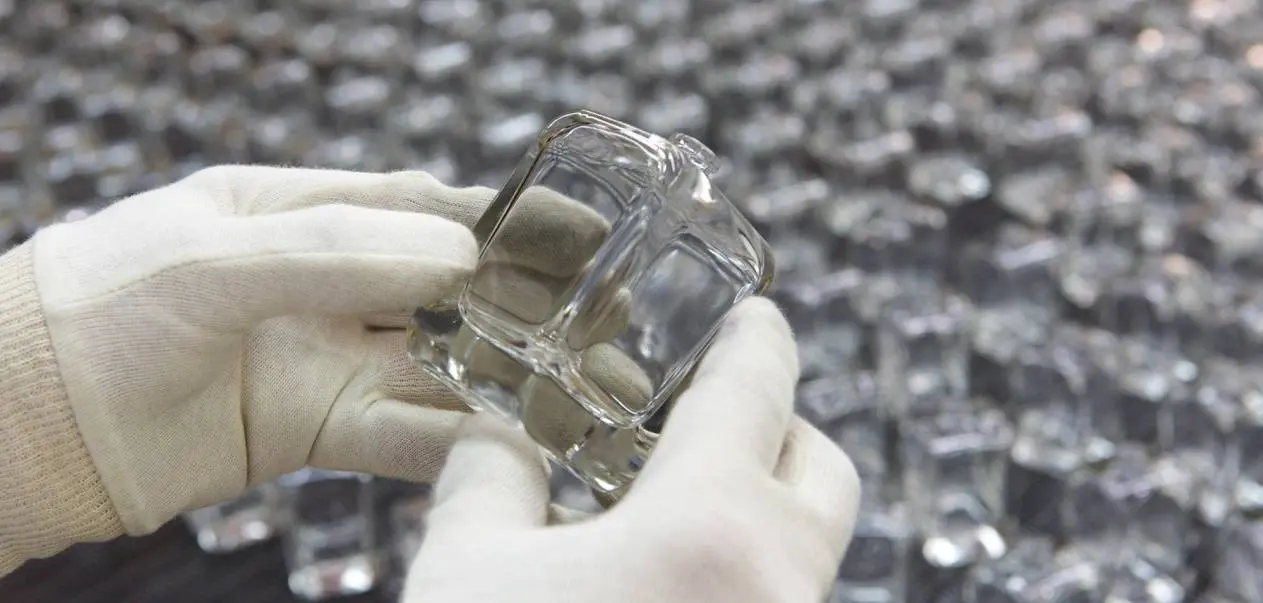
As a leading Chinese glass bottle manufacturer, we take pride in our ability to produce glass bottles from start to finish. Our integrated processes encompass raw material crushing and mixing, precise batching, melting, shaping, and meticulous annealing, ensuring top-notch quality at every step.
read allThe adoption of bottle-attaching glassware is highly dependent on regional consumer behaviors and localized compliance norms:
North American B2C & Promotional Campaigns: In the US and Canada, these products serve as viral marketing assets. Leading domestic subscription boxes, winery gifts, and luxury bars utilize custom-branded attachment glasses to offer unique tasting flights. Custom mold development by Chinese suppliers allows North American companies to emboss company signatures directly on the glass body.
European Environmental Standards: In Europe, compliance with LFGB (Lebensmittel-, Bedarfsgegenstände- und Futtermittelgesetzbuch) is vital. Because the glass attachment system direct-connects to food items, silicone seals must be completely plasticizer-free and vulcanized. Chinese suppliers with ISO 9001 and FDA/LFGB certification have a distinct edge in this space.
Engineering glass that attaches to wine bottles requires a sophisticated roadmap to balance aesthetic lightness with structural safety. High-performance borosilicate glass features a very low coefficient of thermal expansion (~3.3 × 10^-6 K^-1), making it perfect for rapid chilling or hot sterilization processes. Furthermore, precision-injection food-grade silicone rings are co-molded or pressure-fitted to the neck element.
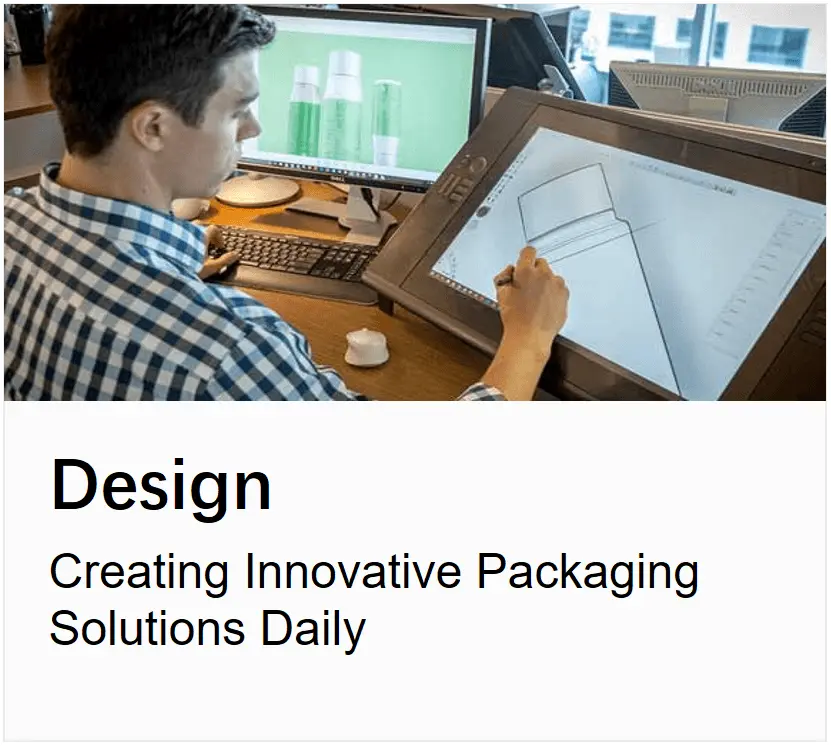
To ensure standard functionality, our engineering team uses 3D CAD modeling and finite element analysis (FEA) to determine how pressure and mechanical forces distribute during bottle insertion. This prevents dangerous torque loading on standard wine bottle finishes (such as standard BVS screw-caps or cork necks).
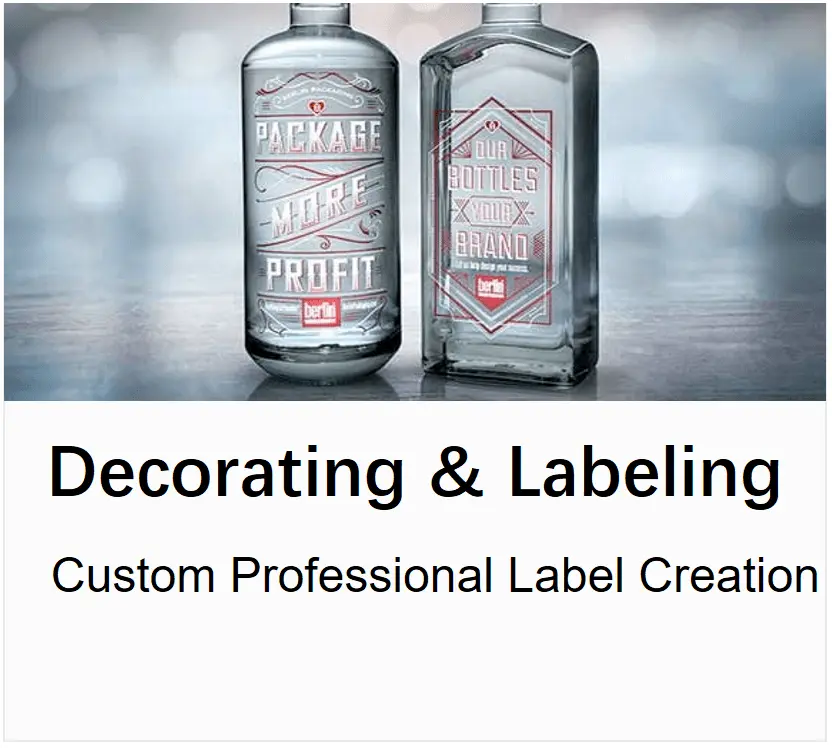
Discover our global end-to-end custom bottle layouts designed for the highest standard of shelf presence and brand authority.
B2B buyers face distinct structural challenges when specifying and buying bulk attachment glassware. Here is the step-by-step technical checklist we deploy:
Dimensional Sizing: Standard bottle necks vary slightly by manufacturer. Our engineering division provides detailed 2D blueprints specifying exact silicone step-rib dimensions, ensuring reliable sealing with 18.5mm, 19.5mm, and 20.0mm cork-neck internal diameters.
Hydrodynamic Aeration Controls: Our specialized designs integrate an air-intake vent at the glass base, managing liquid velocity to reduce splashing and accelerate aeration as wine travels into the attachment.
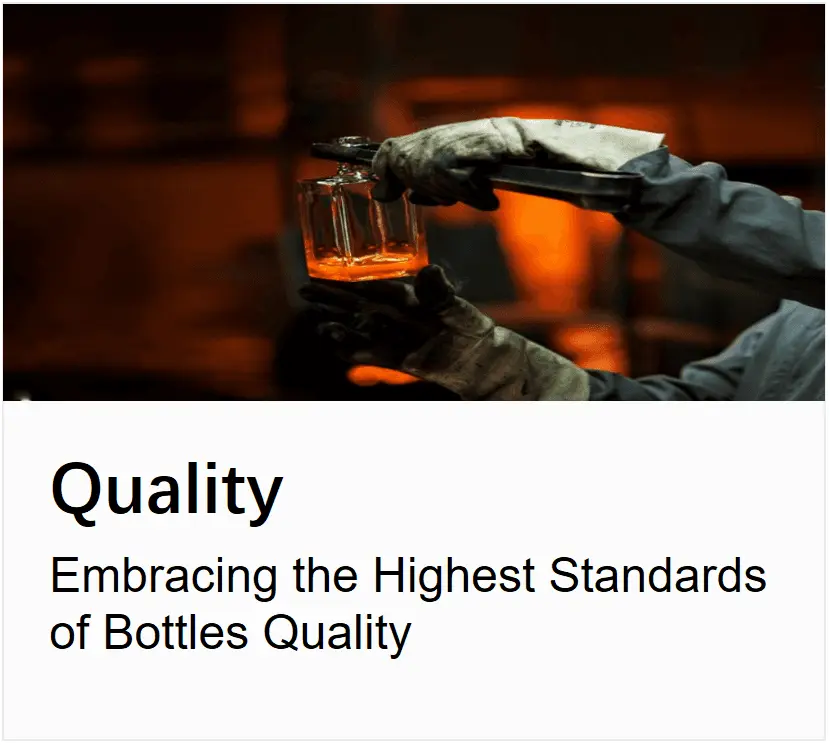
At QLT Glass, we recognize that glassware attaching directly to a wine bottle must handle complex torque and physical stresses. Our manufacturing floor deploys computerized polariscopes to check for internal stress and uneven glass distribution after forming.
By maintaining raw material control (AQL 1.5/4.0 standards) and operating our own batching, melting, and annealing lehrs, we ensure every piece resists chips and structural damage. This reliability is vital for catering to international importers, consumer brands, and distributors who require consistent quality for their business reputation.
Everything procurement officers need to know about custom glass design, quality testing, and ordering details.
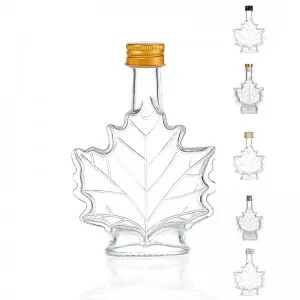
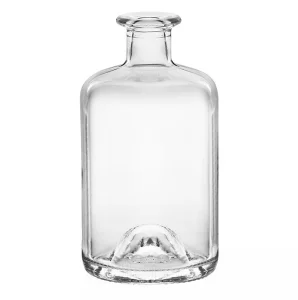
Browse our extensive portfolio of custom spirits bottles, maple syrup containers, and apothecary jars.
 QLT Glass