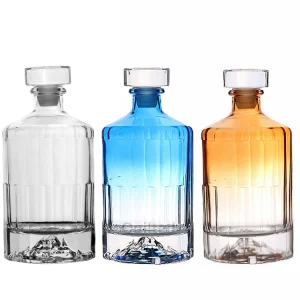
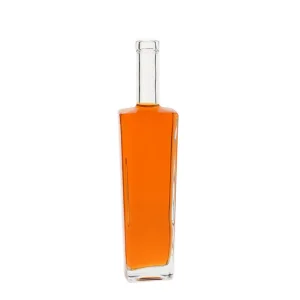
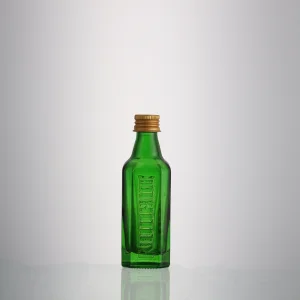
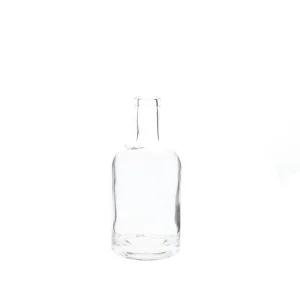
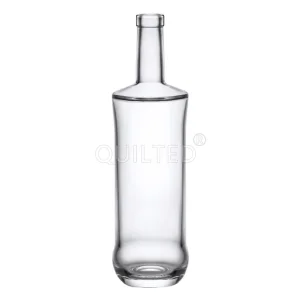
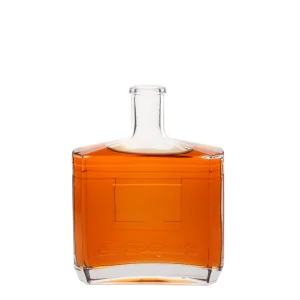
China Liquor Bottle Empty Manufacturer & Suppliers

Premium Structural Glass Packaging Solutions & Custom Decanters for Global Distilleries

01
Custom Glass Packaging Service

Custom Glass Packaging Service

Our premier custom bottle manufacturing service, with an optimized supply chain, seamlessly transforms your concepts into stunning packaging solutions.

02
Self-Owned Bottle Glass Factory

Self-Owned Bottle Glass Factory

Crafting our custom glass packaging solutions within our state-of-the-art bottling facility enables us to drive down costs while ensuring swift delivery of top-notch finished goods.

03
Free Glass Bottle Sample

Free Glass Bottle Sample

Avail yourself of our complimentary glass bottle samples, aiding you in solidifying your decision to invest in our premium glass bottle selections, facilitating bulk purchases with confidence.

Global Commercial & Industrial Landscape of Spirit Glass Bottles

The premium spirits sector is undergoing an unprecedented transformation where packaging design directly correlates with perceived value and brand positioning. Historically, glass containers served merely as protective vessels. However, in modern beverage marketing, custom glass packaging acts as the primary conduit of brand legacy, craftsmanship, and shelf distinction. Whether it is the ultra-clean, heavy-bottomed profiles required for premium vodkas, or the intricate, high-flint structures customized for aged whiskeys, distilleries are increasingly relying on high-performance glass packaging solutions.

Currently, the global demand for empty liquor bottles is driven by two main forces: the craft distillery boom and the premiumization of spirits packaging. Craft distilleries require flexible, high-quality, mid-to-high volume production with custom options. At the same time, major global spirits conglomerates are trying to optimize their supply chains to reduce carbon footprints without compromising luxury aesthetics. In this context, China has emerged as a crucial global manufacturing base, combining technical scale, raw material abundance, and advanced engineering capabilities.

Information Gain Trend Alert: The implementation of lightweight glass packaging technologies has emerged as a key benchmark for modern sustainable packaging, offering up to 20% carbon emissions reductions in freight distribution while retaining structural wall-thickness profiles.

Material Engineering: Why Flint and Extra-Flint Glass Matter

The optical properties of glass play a critical role in how the color and clarity of premium spirits are perceived by consumers on retail shelves. Our state-of-the-art melting processes distinguish between three primary material grades:

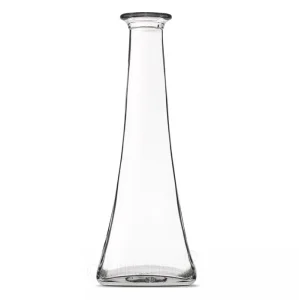
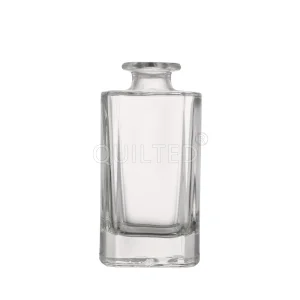
  • Super/Extra Flint Glass: Boasting the highest transmission index, this glass is formulated using sand with exceptionally low iron impurities (typically under 150ppm). This grade is used for premium vodkas, gins, and tequilas to ensure maximum transparency.
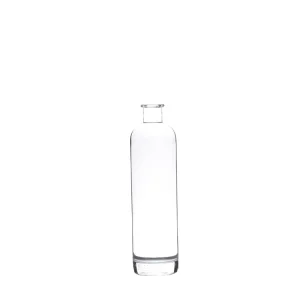
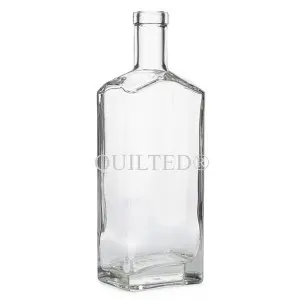
  • Flint Glass: The industry standard for high-performance commercial liquor bottles, providing an optimal balance between optical clarity and cost-efficiency.
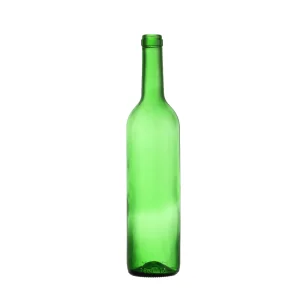
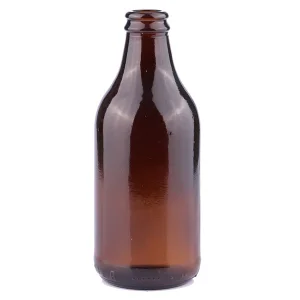
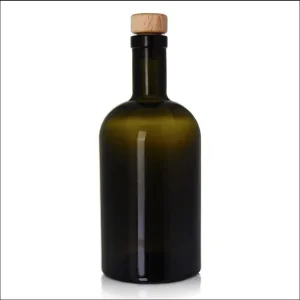
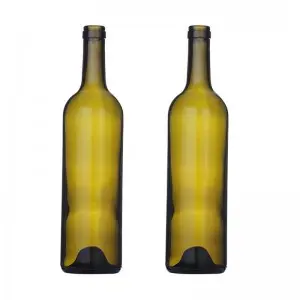
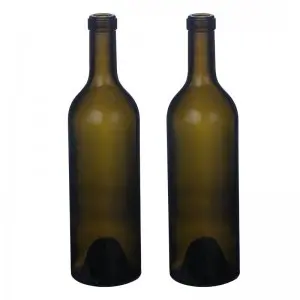
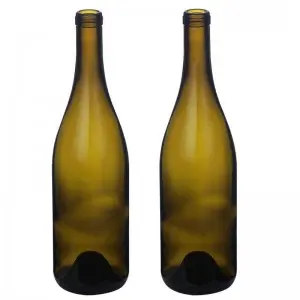
  • Colored and Specialty Tones: Including light green, antique green, amber, and custom-cobalt glasses, which are chemically doped with metal oxides to offer vital UV protection for light-sensitive vermouths, wines, and brandies.
1500°C
Melting Furnace Temperature
120M+
Annual Bottle Output Capacity
<0.05%
In-Line Defect Tolerance Rate
100%
Food Grade FDA Certified

China's Manufacturing Supremacy: Efficiency, Scale, and Customization

Purchasing professional empty liquor bottles from China is an industry standard for global spirits brands, and for good reason. The combination of automated production lines, advanced mold engineering, and raw material access makes Chinese manufacturing highly competitive. The primary operational advantage lies in the integration of design, mold fabrication, sample casting, mass production, and surface finishing into a single unified workflow.

The Anatomy of Glass Production: From Raw Batch to Finished Glass

Our production facilities employ advanced technology to ensure structural integrity across every run. Here is a breakdown of our manufacturing process:

  • Raw Material Batching: Using computer-controlled scales to measure silica sand, soda ash, limestone, and cullet (recycled glass) to maintain chemical and optical stability.
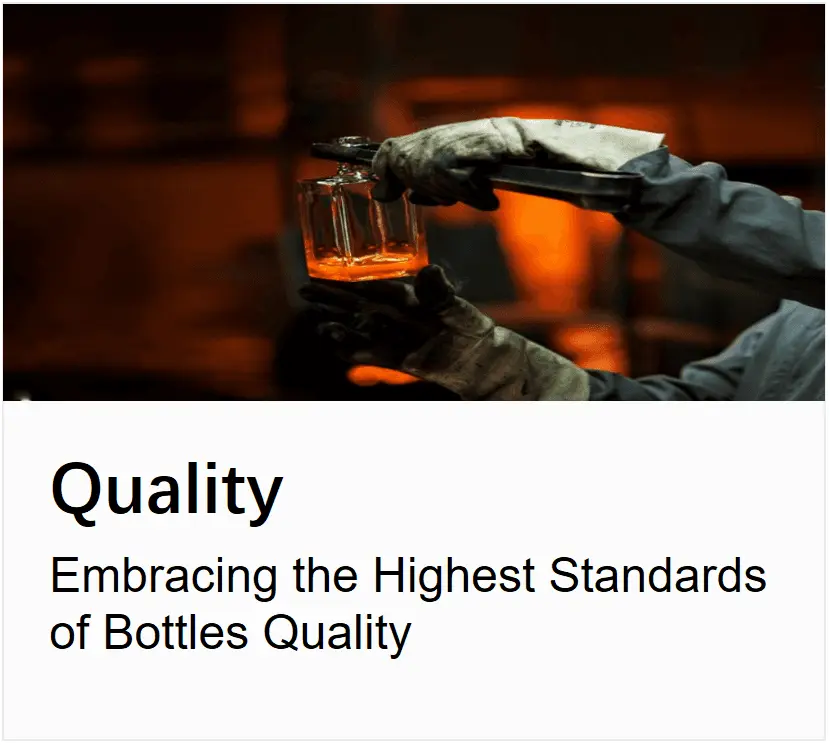
  • Ultra-High Temperature Melting: Melting takes place at temperatures exceeding 1500°C in natural gas-fueled regenerative furnaces to minimize gaseous bubbles and optimize melt consistency.
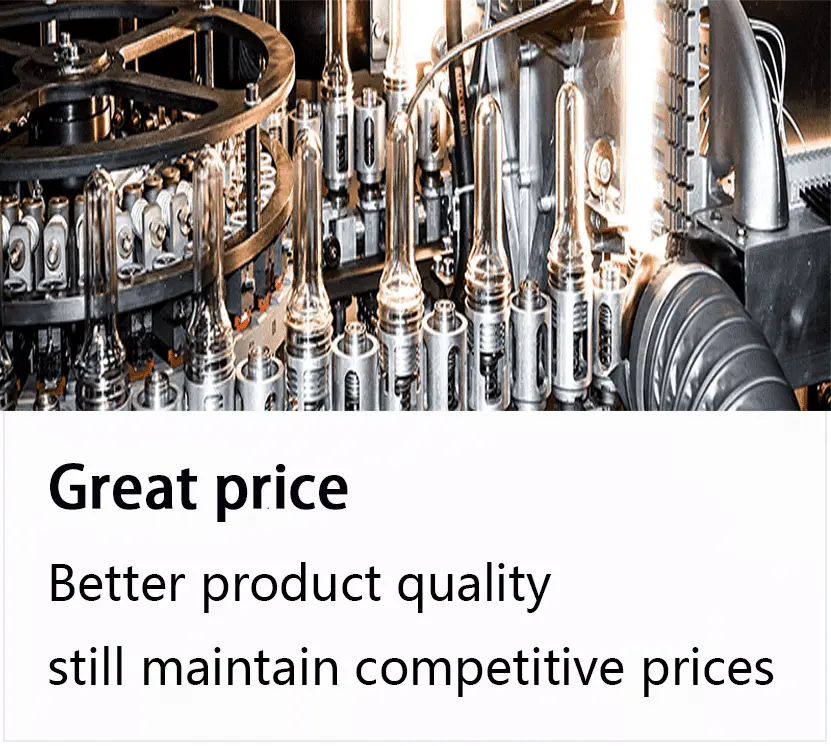
  • Automated IS (Individual Section) Machine Forming: Modern IS machinery operates under precise time controls, supporting Blow-and-Blow or Press-and-Blow forming to ensure uniform wall thickness, crucial for resisting carbonation or structural pressure.
  • Precision Annealing: Formed bottles pass through a temperature-controlled annealing lehr, cooling slowly to relieve internal mechanical stress, preventing spontaneous breakage during transport or high-speed bottling lines.
  • Vision Inspection Systems: 100% in-line automated optical scanners inspect for seeds, stones, neck dimension errors, and base faults. Any bottle failing to meet tolerances is automatically rejected and recycled as internal cullet.

Advanced Secondary Processing & Customization

A simple flint glass bottle can be transformed into a luxury package using our extensive range of decorative processes:
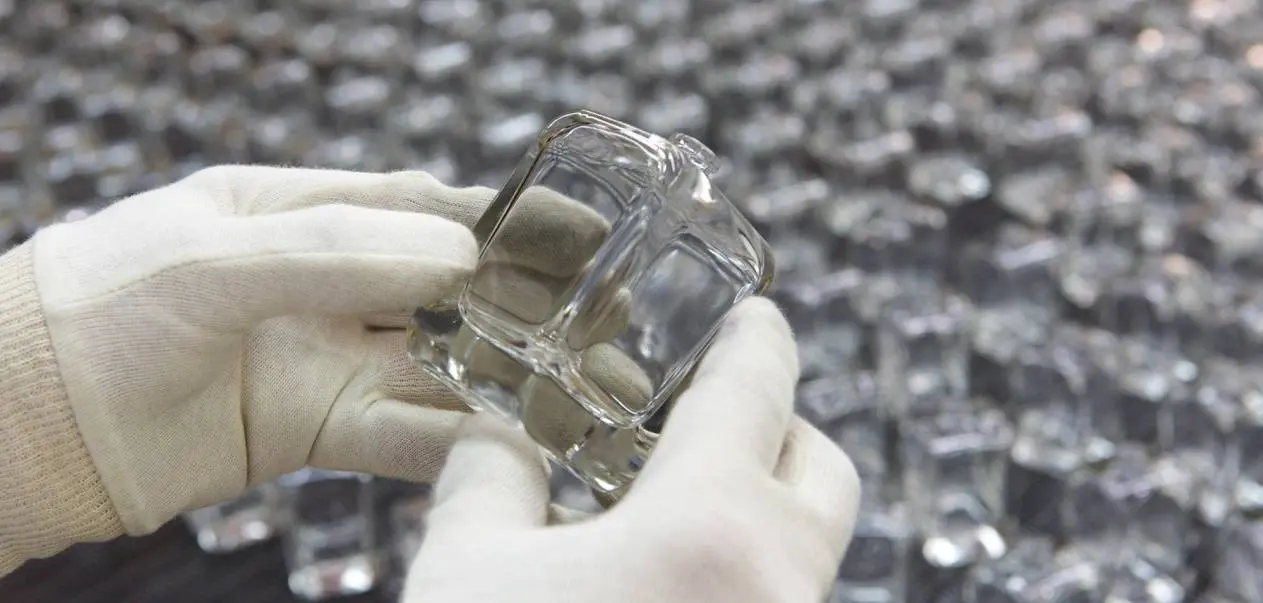
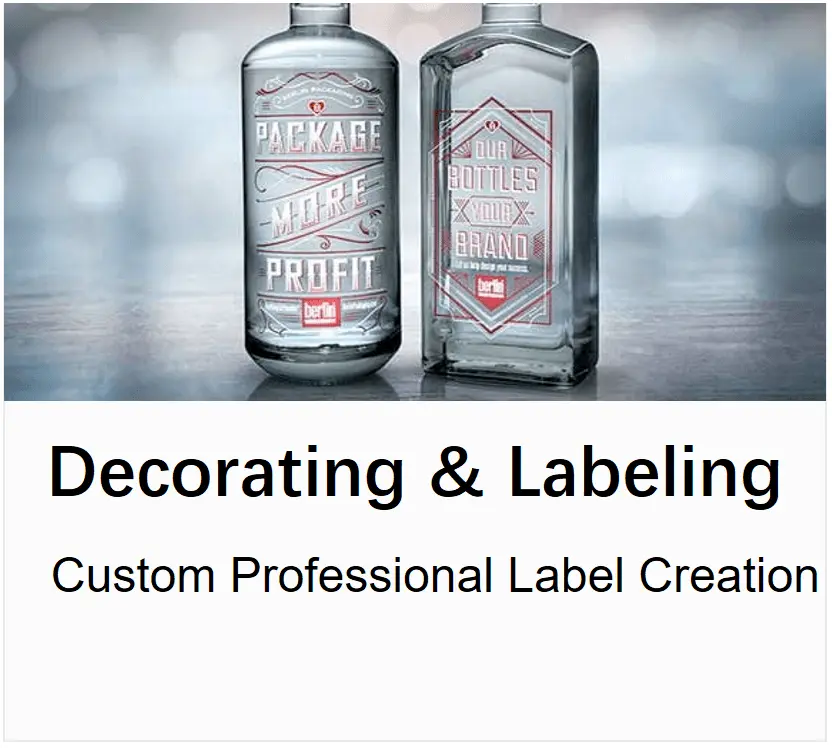
  • Acid Etching (Frosting): Delivers a premium satin texture that resists fingerprints and elevates bottle tactile feel.
  • High-Temperature Screen Printing: Uses inorganic glass-based inks that fuse with the surface during tempering, ensuring print durability.
  • Hot Foil Stamping: Adds gold, silver, or bronze metallic finishes to logos and brand names.
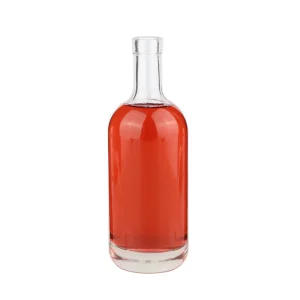
  • Precision Spray Painting & Electroplating: Achieves gradient colors, internal mirror coatings, or complete UV block for premium gin or brandy bottles.
About Us QLT Glass Factory

About Us

As a leading Chinese glass bottle manufacturer, we take pride in our ability to produce glass bottles from start to finish. Our integrated processes encompass raw material crushing and mixing, precise batching, melting, shaping, and meticulous annealing, ensuring top-notch quality at every step.

Our facility utilizes high-capacity automated production lines alongside specialized manual glass-casting methods for small-batch luxury runs. Over the past decades, we have partnered with hundreds of international brands in the US, Europe, and Asia, delivering dependable logistics and custom designs that help brands succeed on the shelf.

Read All

All-Around Glass Bottles Packaging Solution

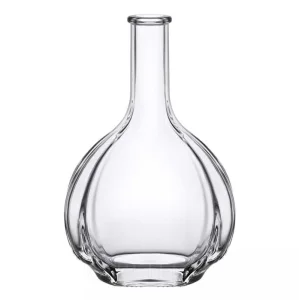
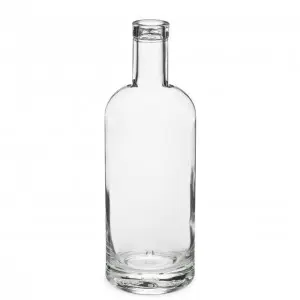
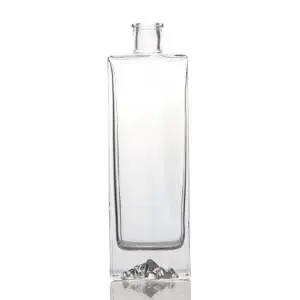
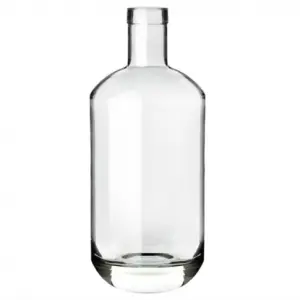
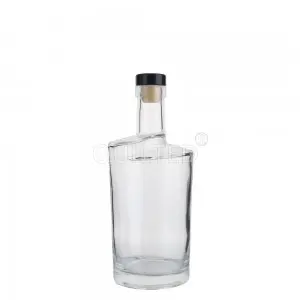
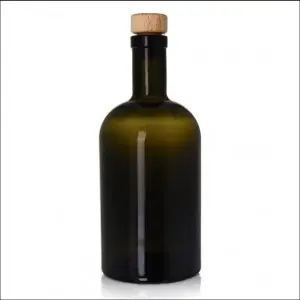
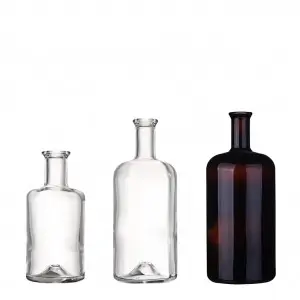
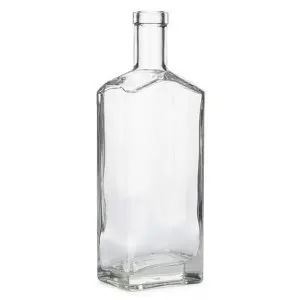
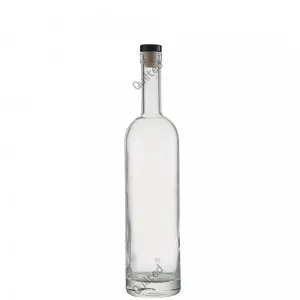
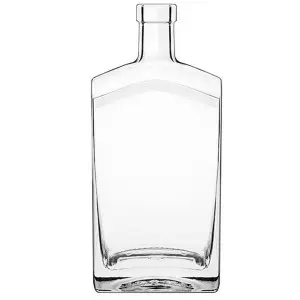
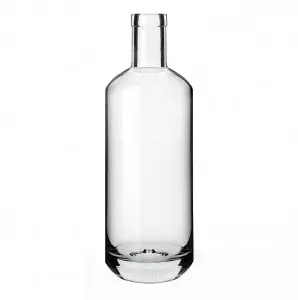
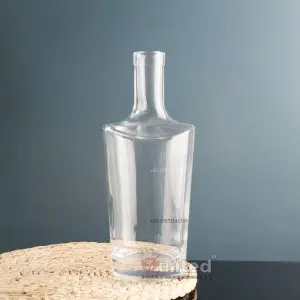
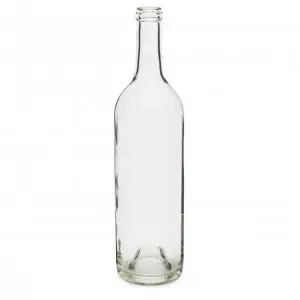
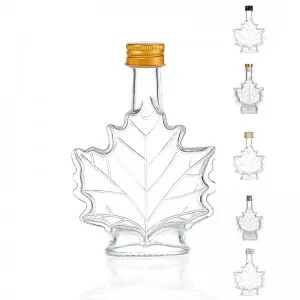
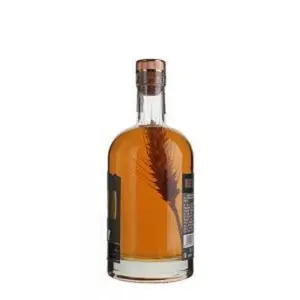
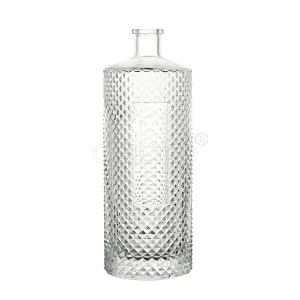
Explore our complete design solutions. Every mold profile below is optimized for packaging efficiency and brand visibility.

Localization & Global Procurement Requirements

Procuring custom spirit glass bottles globally requires navigating complex food-grade certifications, dimensional tolerances, and logistics operations. Standardized regulatory frameworks vary significantly by region:

  • North America (US & Canada): TTB compliance governs standard volumetric capacities (e.g., 750ml, 375ml, 50ml). Materials must adhere strictly to FDA CFR Title 21 food safety guidelines, particularly concerning heavy metals limits (lead/cadmium) under CONEG regulations. California Proposition 65 limits are also key.
  • European Union (EU): Requires compliance with CE and FEVE container glass standards. EU markets often prioritize lighter weight bottles to reduce carbon transport footprint taxes.
  • South & Central America: Tequila and Mezcal brands require heavy, thick-based extra flint designs that denote premium heritage, along with cork or glass-topped mechanical closures.

Advanced Quality Control Metrics & Testing Methods

Maintaining a reliable glass container source requires rigorous physical testing protocols. Our quality assurance framework covers five critical tests:

Thermal Shock Resistance

Bottles are transferred between hot and cold water baths to ensure they withstand rapid temperature changes during pasteurization, filling, or hot-wash sanitization. (Typical specification: ΔT ≥ 42°C).

Internal Pressure Strength

Critical for carbonated beverages, sparkling wines, and high-proof spirits. Destructive pressure testing guarantees that the base and seams can withstand pressures exceeding 1.2 MPa.

Vertical Load Resilience

Ensures the bottle will not collapse during corking, screw-capping, or high-density vertical stacking on shipping pallets. (Target threshold: >3000 N downward force).

Dimensional Accuracy

Precision digital neck-gauging ensures airtight cork or screw-cap seating, preventing product oxidation or leaking during shipping.

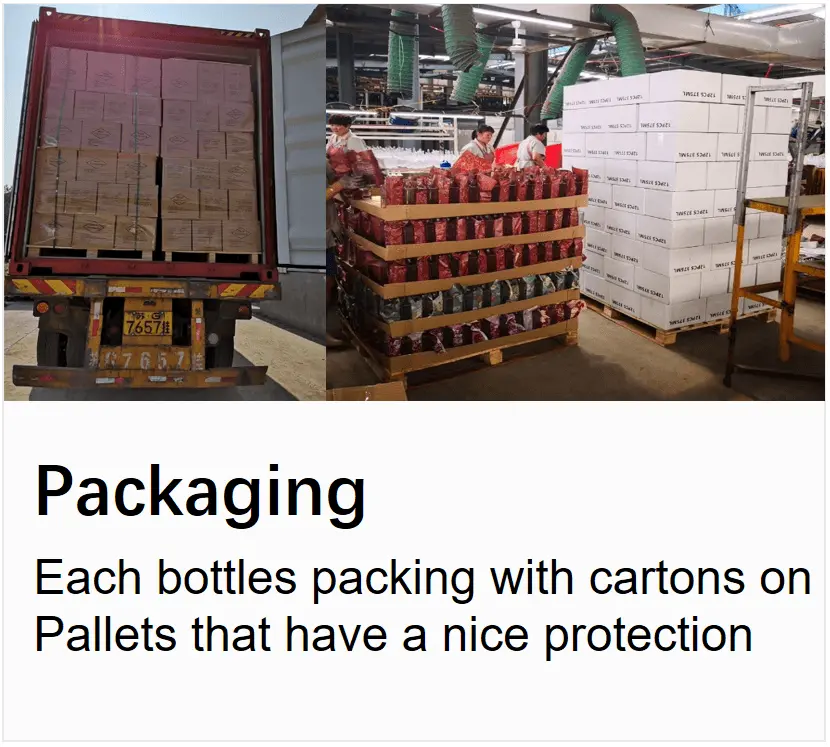
For global logistics, our standard shipping protocols utilize fumigated wooden or heavy-duty plastic pallets wrapped in thick UV-shrink film, with shock-absorbing honeycomb cardboard dividers. We also design specialized cartons for direct-to-consumer (DTC) shipments to minimize breakage rates to less than 0.5%.

Certified Industrial Partnerships & Global Standards

Our packaging solutions comply with global quality standards, ensuring smooth integration with high-speed bottling lines.
Certification Logo 1
Certification Logo 2
Certification Logo 3
Certification Logo 4
Certification Logo 5
Certification Logo 6
Certification Logo 7
Certification Logo 8
Certification Logo 9
Certification Logo 10

Frequently Asked Questions: Industrial Procurement Guide

Practical answers to help source coordinators, brand managers, and packaging engineers make informed decisions.

What are your Minimum Order Quantities (MOQs) for standard stock and custom-designed bottles?
For standard stock bottles available in our warehouse, the MOQ is typically one full pallet (approx. 1,000 to 2,000 units depending on capacity). For custom molds or bottles requiring custom finishes (embossing, frosting, screen printing), the MOQ starts at 20,000 to 30,000 units to cover the costs of tooling and production line setup.
How long does the custom mold-to-sample pipeline take?
Our engineering department can generate 3D CAD blueprints within 48 to 72 hours. Once design files are approved, mold fabrication and physical sample casting take approximately 15 to 20 days. Mass production begins immediately after sample approval and typically takes 25 to 30 days.
Do your empty spirit bottles meet FDA and EU food safety standards?
Yes, all of our glass containers are manufactured from premium soda-lime glass that is 100% lead-free, cadmium-free, and FDA certified. Our products comply with European Union packaging directives (including EC 1935/2004) and US California Prop 65 heavy metal limits, ensuring safety for high-proof spirits.
How do you manage shipping risks and breakage rates for fragile cargo?
We package our products using heavy-duty pallets, protective divider sheets, and secure shrink wrapping to prevent movement. Our transit damage rates are consistently below 0.5%. We also offer marine cargo insurance options for peace of mind.
Can you supply custom matching closures, such as corks, screw-caps, and shrink capsules?
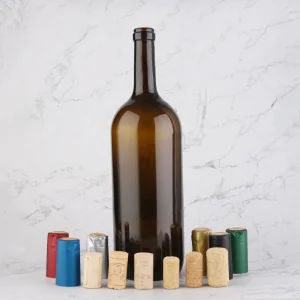
Yes, we provide complete, integrated packaging solutions. We supply matching natural and synthetic corks, aluminum screw-caps, glass closures, and tamper-evident shrink sleeves. All closures are pre-tested with your custom bottles to guarantee a leak-proof seal.
What glass color options are available for wholesale orders?
We offer a wide selection of colors, including high-transparency Extra Flint and Super Flint, classic Flint, Amber, Light Green, and Antique Green. For specialized branding, we also provide matte black coatings and custom colored gradient spray finishes.