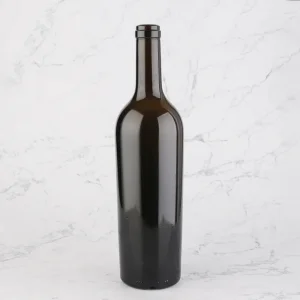
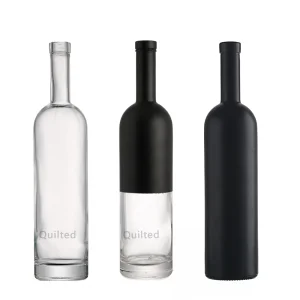
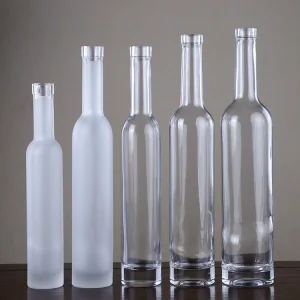
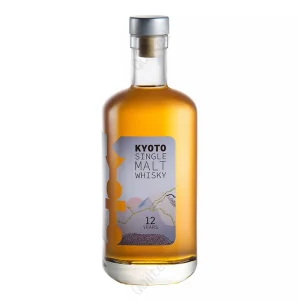
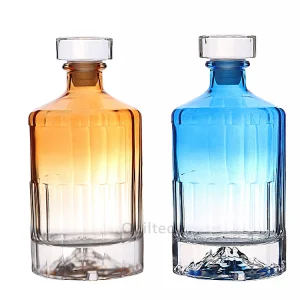
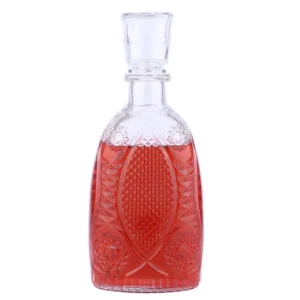
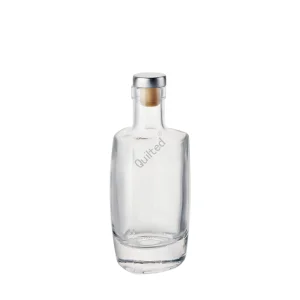
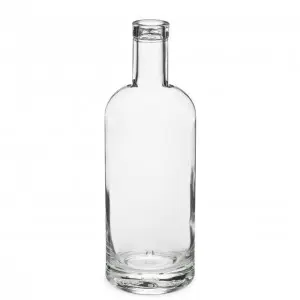
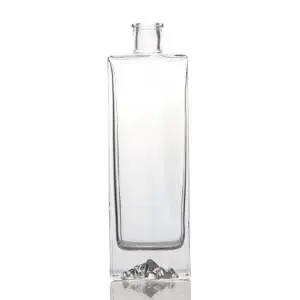
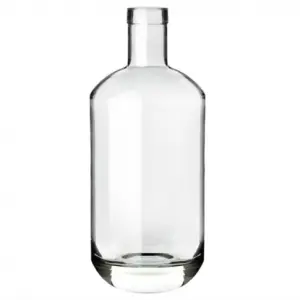
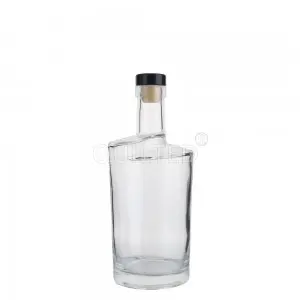
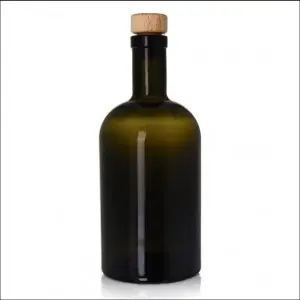
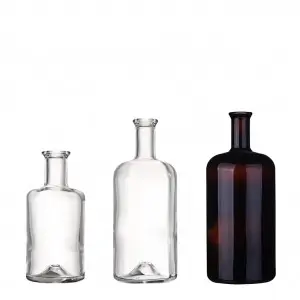
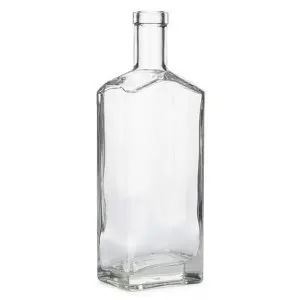
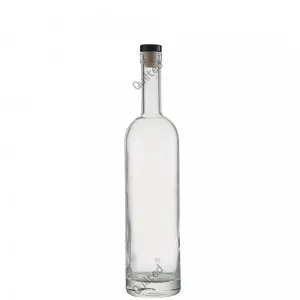
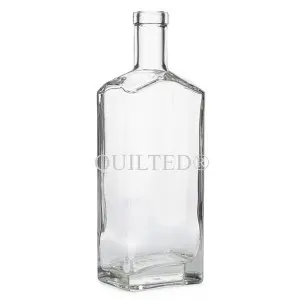
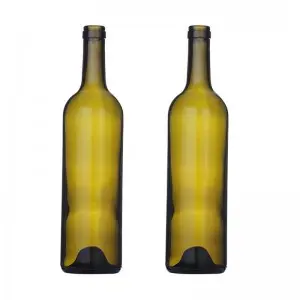
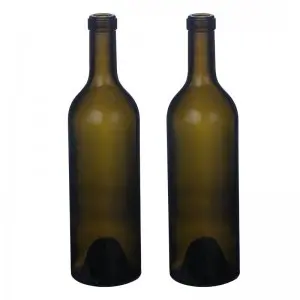
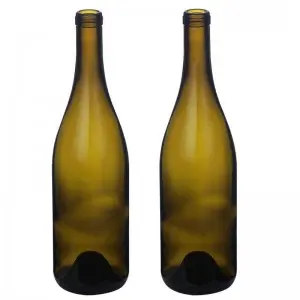
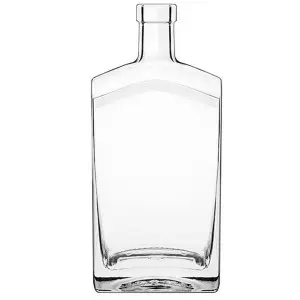
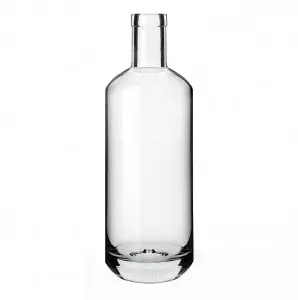
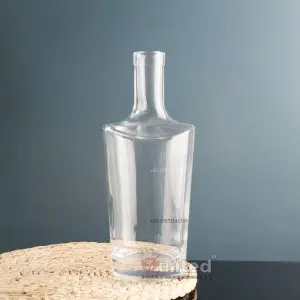
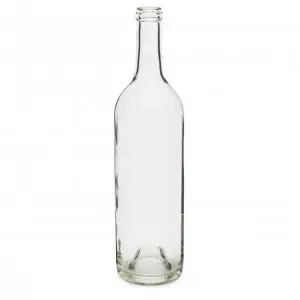
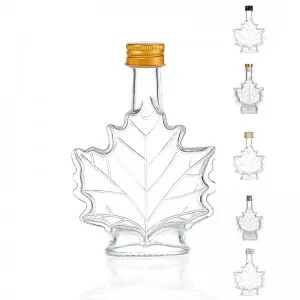
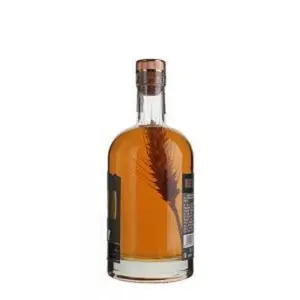
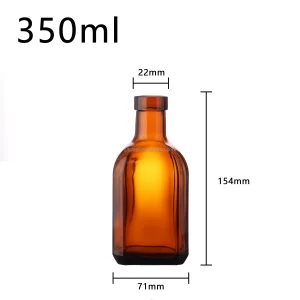
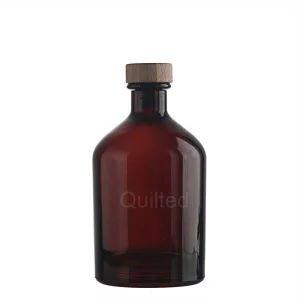
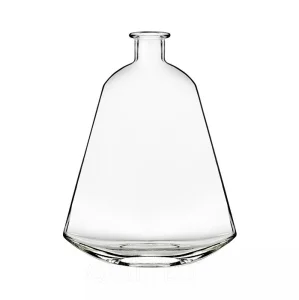
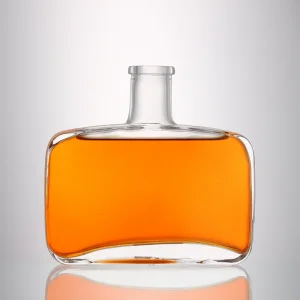
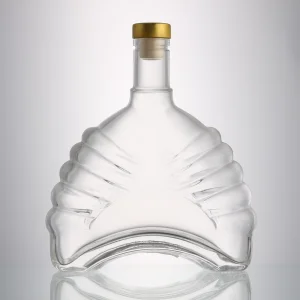
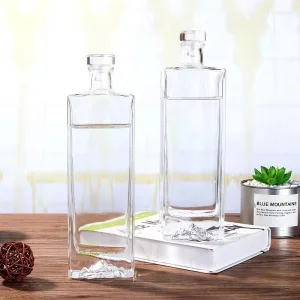
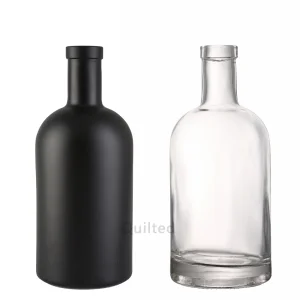
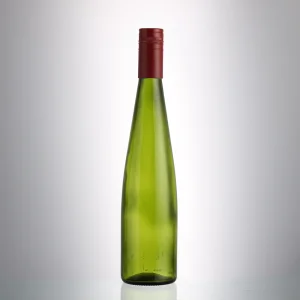
Explore our foundational configurations of precision-engineered glass bottles ready for global shipment


As a leading Chinese glass bottle manufacturer, we take pride in our ability to produce glass bottles from start to finish. Our integrated processes encompass raw material crushing and mixing, precise batching, melting, shaping, and meticulous annealing, ensuring top-notch quality at every step.
Read All About Us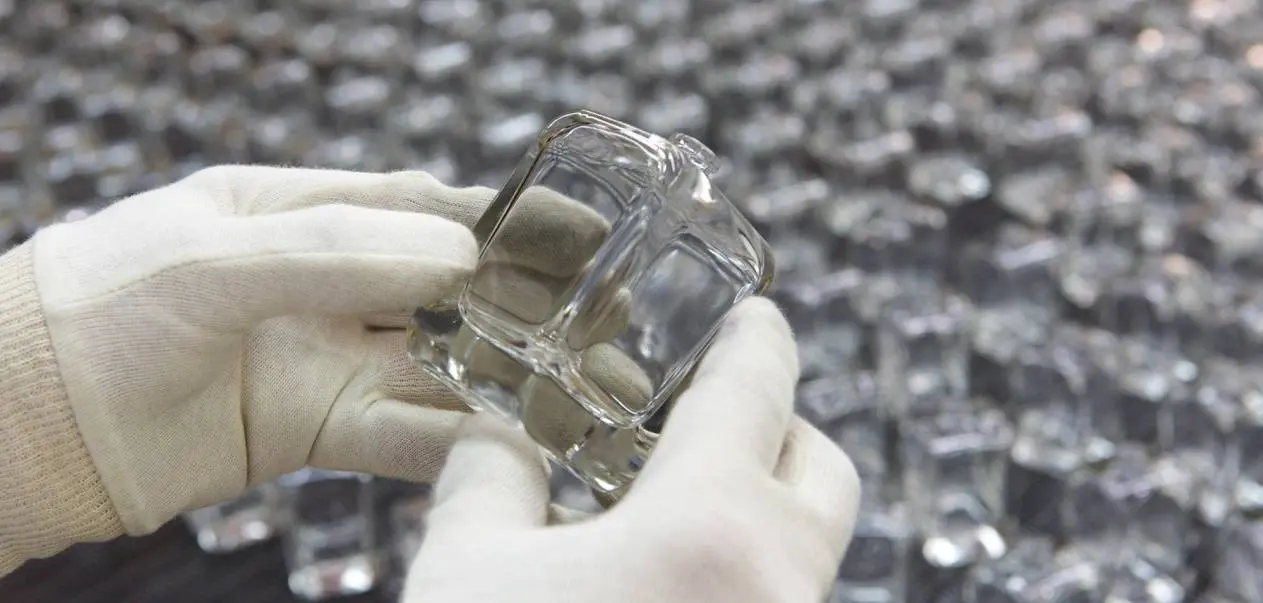
The Engineering, Standards, and Global Procurement Roadmap for China-Sourced Wine Glass Bottles
In global wine distribution, structural parameters and glass thickness definitions dictating the "Size of Wine" bottles are highly regulated. In addition to aesthetic properties, the volume, height, base diameter, and wall thickness of glass packaging directly influence filling machine compatibility, logistical efficiency, shelf preservation, and weight-related carbon duties. Standardized wine bottle sizing typically varies between the 187 ml Piccolo/Split to the grand 15L Nebuchadnezzar. The 750 ml standard Claret, Burgundy, and Champagne bottle models remain the baseline of modern wine commerce.
Chinese manufacturers like QLT Glass have spent decades refining structural stability profiles. High-speed automation demands absolute dimensional uniformity. Key structural dimensions monitored include the vertical tilt tolerance (vertical load resistance), which must exceed 1.2 KN for sparkling wine lines, and wall thickness consistency, ensuring no point of the glass body falls below 1.8 mm.
Modern Chinese glass production uses advanced Industry 4.0 manufacturing processes. Computerized furnace controls and raw material batching systems are standard. Our advanced facilities feature automatic Raw Material Batching Plants that optimize the sand, soda ash, limestone, and cullet (recycled glass) mixture down to milligram levels.
Once mixed, the raw ingredients enter high-capacity natural gas-fired furnaces. Real-time oxy-fuel combustion controls minimize emissions and energy consumption. The molten glass (held at approximately 1500°C) is processed by Individual Section (IS) forming machines, using Blow-and-Blow or Narrow Neck Press-and-Blow (NNPB) technologies. NNPB technology is a key driver for lightweighting, allowing for a 15% to 25% reduction in glass weight without compromising structural strength.
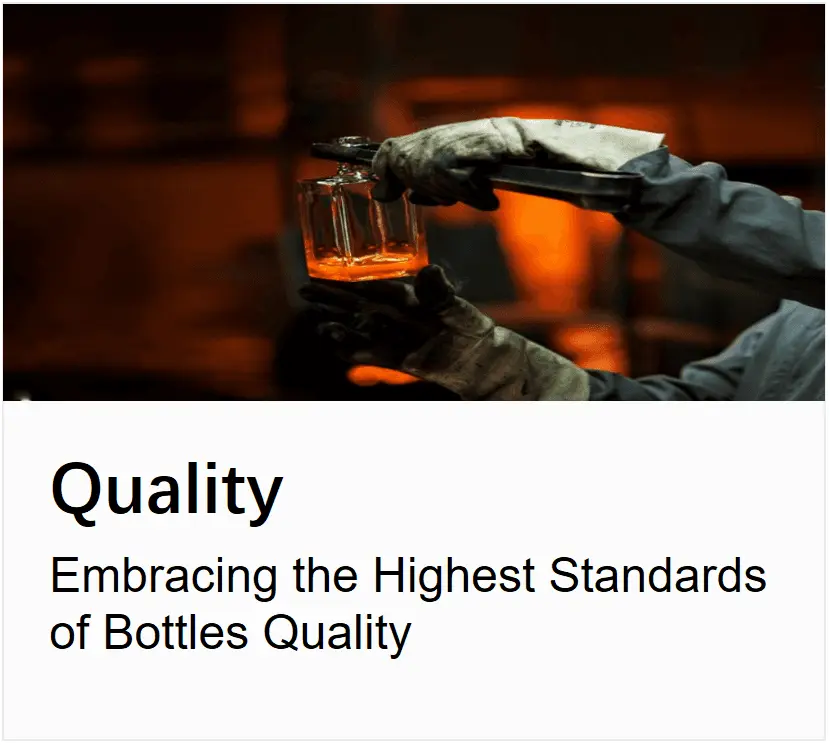
Post-forming, the glass undergoes precise heat treatment in Annealing Lehrs. Rapid cooling produces brittle glass, so our automated lehrs gently cool the bottles to relieve internal stresses. Laser-based thickness gauges, mechanical squeeze testers, thermal shock units, and intelligent camera-based vision systems monitor the cold-end exit. Defective units are rejected and re-melted, guaranteeing that only compliant products reach the palletization phase.
Procuring glass from China requires meeting specific global regulatory standards. International supply chains demand compliance with FDA, European Commission (EC) No 1935/2004, and heavy metal limits (such as California Proposition 65 and European Council Directive 94/62/EC). QLT Glass ensures all products undergo testing for lead, cadmium, mercury, and hexavalent chromium content.
Global buyers typically evaluate suppliers based on the following framework:
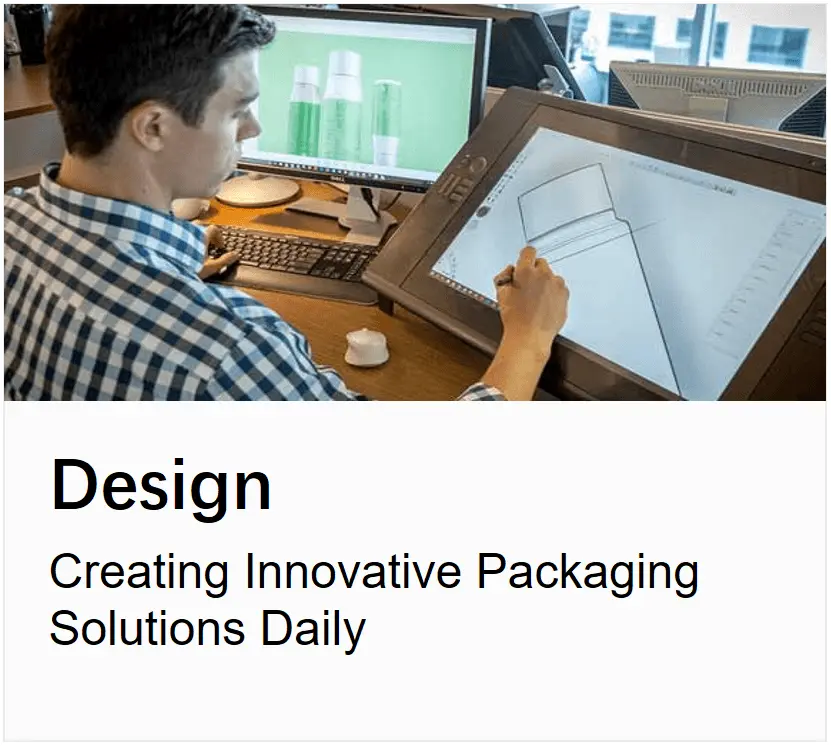
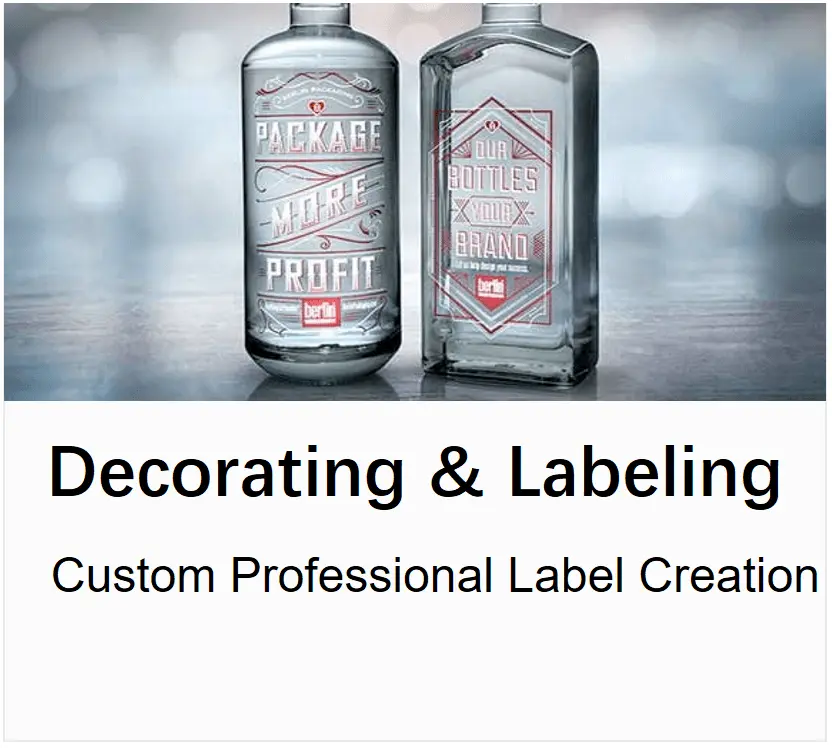
Packaging design is a key differentiator for premium wine brands. QLT Glass offers custom mold fabrication alongside standard inventory options. Our product engineering team works from conceptual briefs to 3D CAD modeling, 3D printing of physical prototypes, and sample mold trial runs within 15 to 21 working days.
Our design options are tailored to match standard wine regional requirements:
The glass container industry is increasingly focused on sustainability. Decarbonization requirements from major global spirits groups are driving the adoption of lightweight wine bottles. Reducing a standard 750 ml bottle's weight from 550g down to 395g or 340g significantly reduces freight emissions and lowers energy costs.
Additionally, the industry is working to increase post-consumer recycled cullet usage. Our production roadmap aims for a 60% cullet ratio by 2026. This reduces raw material consumption and lowers melting furnace temperatures, saving energy. We are also exploring alternative heating technologies, including hybrid electric-gas furnaces and hydrogen fuel blends.
Global supply chain operations must account for trade-related considerations such as import tariffs, anti-dumping duties, and trade barriers. Partnering with a supplier with diverse logistics networks helps navigate these regulatory frameworks.
QLT Glass provides DDP (Delivered Duty Paid), CIF, and FOB terms, supported by clear customs documentation. We compile certificate dossiers, including heavy metal assays, FDA compliance certificates, and production batch records, ensuring smooth customs processing and avoiding port delays.
In Stock, On Time: QLT Glass, Your Swift Solution for Premium Packaging. Ready to Ship Excellence!
Expertly crafted configurations engineered to elevate product presentation across international markets
Essential Answers to Keep Sourcing Cycles Smooth and High-Performing
Standard tolerances for high-end filling lines are held strictly to ±0.3 mm on inner neck diameter, ±1.5 mm on total bottle height, and ±2% on total weight. QLT Glass monitors these dimensions using automated optoelectronic inspection equipment at the cold end of production.
All materials undergo third-party laboratory verification (including SGS and TÜV) to confirm lead, cadmium, mercury, and hexavalent chromium levels remain well within US FDA, California Prop 65, and EU Council Directive 94/62/EC requirements.
Standard inventory bottles can be ordered starting at 1x20GP container. Custom structures requiring new mold tooling typically carry an MOQ of 50,000 units, depending on weight, wall thickness, and color configurations.
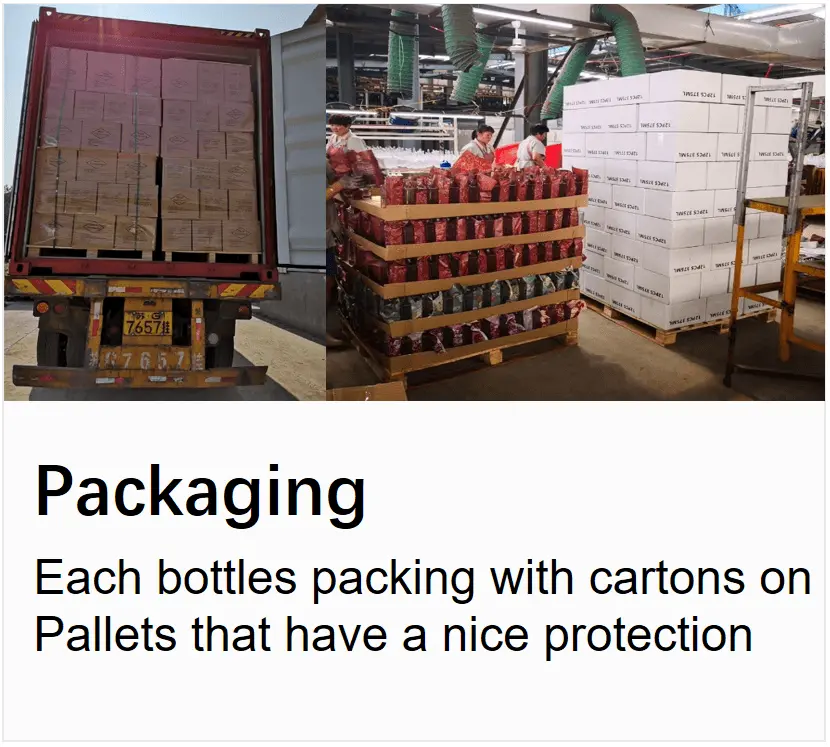
We use heavy-duty fumigated wooden pallets separated by clean cardboard cell dividers, wrapped in thermo-shrink plastic, and secured with PET strapping. This configuration prevents shifting and glass-on-glass friction, minimizing scratching during long-distance ocean shipping.
Yes. Utilizing Narrow Neck Press and Blow (NNPB) technology, we design and manufacture lightweight bottles that maintain strength while reducing carbon footprints and freight costs.
Specialty shapes, amber formulations, and high-performance finishes for global brands
 QLT Glass