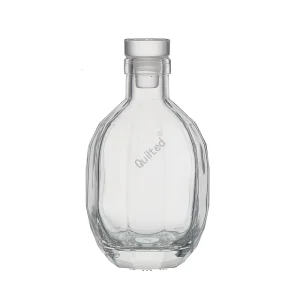
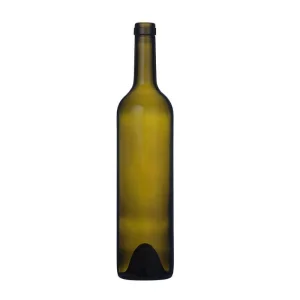
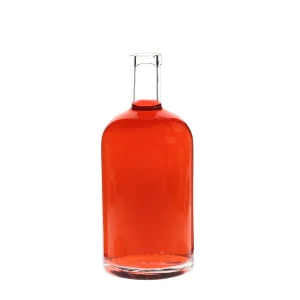
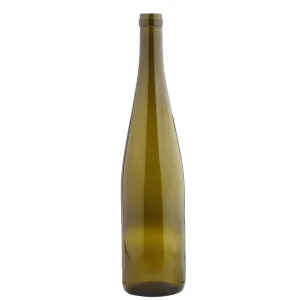
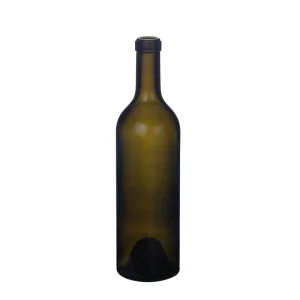
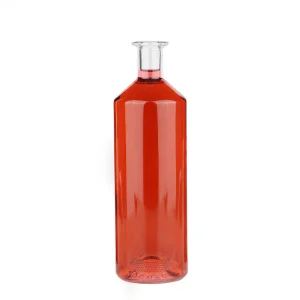
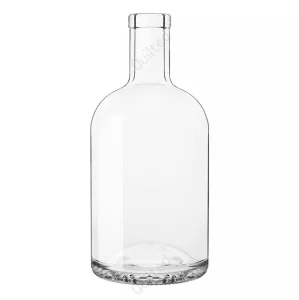
China Wine Bottle With Glass Stopper Manufacturer & Suppliers

Precision-Engineered Luxury Glass Packaging Systems: Setting New Standards in Hermetic Sealing, Premium Brand Equity, and Zero-TCA Contamination.

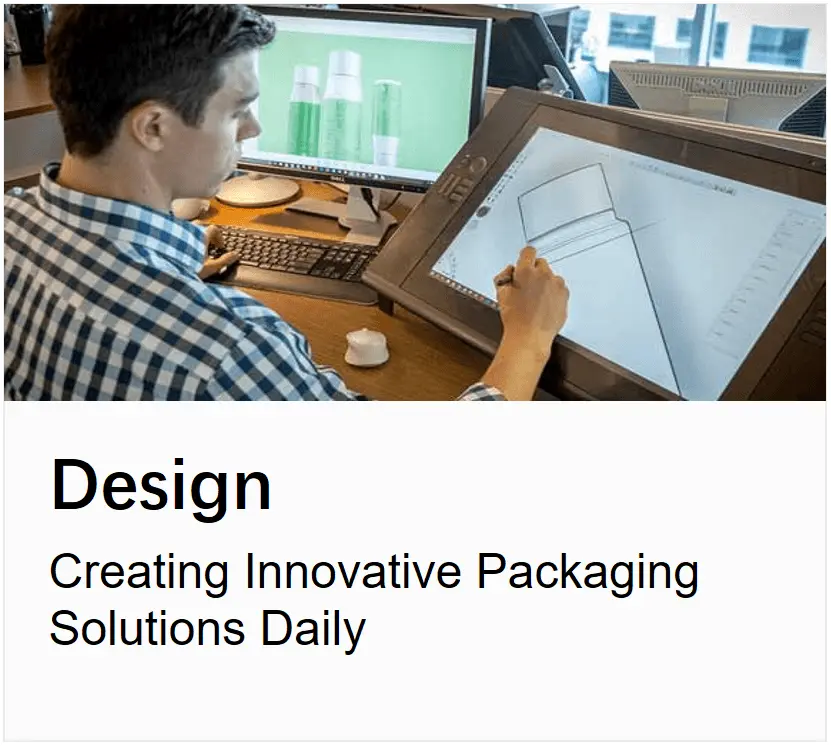
Advanced Bottle Manufacturing & Design Services

Providing B2B procurement partners with raw production agility, design innovation, and risk-free structural proofing.

Custom Glass Packaging Service

Custom Glass Packaging Service

Our premier custom bottle manufacturing service, with an optimized supply chain, seamlessly transforms your concepts into stunning packaging solutions.

Self-Owned Bottle Glass Factory

Self-Owned Glass Factory

Crafting our custom glass packaging solutions within our state-of-the-art bottling facility enables us to drive down costs while ensuring swift delivery of top-notch finished goods.

Free Glass Bottle Sample

Free Glass Bottle Sample

Avail yourself of our complimentary glass bottle samples, aiding you in solidifying your decision to invest in our premium glass bottle selections, facilitating bulk purchases with confidence.

Chapter 1: The Technical Evolution of Glass-Stoppered Wine & Spirit Bottles

In the premium wine and luxury spirits landscape, the bottle closure mechanism represents a critical interface between fluid dynamics, chemical stability, and consumer perception. While traditional corks have served the industry for centuries, they carry systemic risks, most notably cork taint caused by 2,4,6-trichloroanisole (TCA). To solve this, technical buyers and premium brand managers are increasingly turning to glass-on-glass closures.

Unlike standard closures, a wine bottle with a glass stopper utilizes a high-precision glass closure paired with an ultra-thin, food-grade thermoplastic elastomer (TPE) ring. This seal prevents glass-on-glass friction and matches the gas-barrier properties of elite synthetic materials. The result is a closure that maintains consistent aging dynamics, completely eliminates TCA risks, and allows consumers to easily reseal the bottle with a satisfying tactile click.

Key Tech Trend: Precision Borosilicate & Extra-Flint Glass Pairings

To prevent micro-fracturing at the bottleneck opening, modern manufacturers enforce strict dimensional tolerances. The bottleneck's inner diameter is molded to a precision within 0.15mm, and the stopper is formed using high-purity borosilicate glass. This ensures a consistent fit across temperature changes and during shipping.

0%
TCA Contamination Risk
<0.15mm
Neck Diameter Tolerance
100%
Recyclable Glass Formulations
2.5 Bar
Internal Pressure Threshold

Chapter 2: Global Procurement Dynamics & Strategic Sourcing for High-End Glass

For B2B buyers, global sourcing of glass bottles requires managing high logistics costs, product fragility, and quality consistency. China's glass manufacturing industry has evolved from low-cost mass production to a highly specialized ecosystem. Modern facilities offer advanced glass formulations like Super Flint Glass, which provides exceptional clarity, refractive index, and strength.

When selecting a Chinese manufacturer, procurement managers must evaluate several technical criteria:

  • Furnace Technology: Natural gas or electric-boosted furnaces ensure consistent thermal profiles, reducing bubble and cord defects.
  • Annealing Process: Proper thermal profiling inside the annealing lehr relieves internal stress, protecting the bottle during high-speed filling lines and international transport.
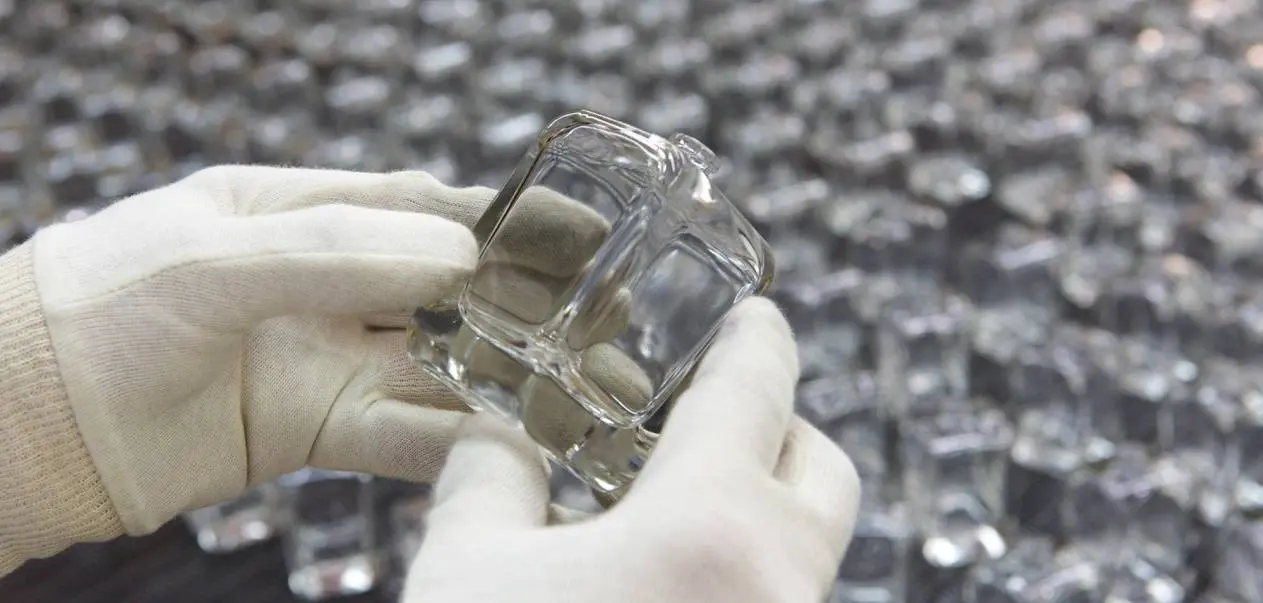
  • Automated Inspection: Optoelectronic testing machines scan 100% of production for structural micro-cracks, neck ovality, and wall thickness consistency.
Parameter Standard Flint Glass Extra/Super Flint Glass (Luxury) Testing Method
Transmittance (%) > 85% > 92% Spectrophotometric Scan
Internal Thermal Stress Grade < 3.0 Grade < 1.5 (Excellent) Polariscope Evaluation
Thermal Shock Delta > 35°C > 42°C Rapid Hot-to-Cold Cycling
Hydrolytic Resistance Class HGB3 Class HGB1 ISO 719 Standard Test
QLT Glass Manufacturing Facility

About QLT Pro Glass

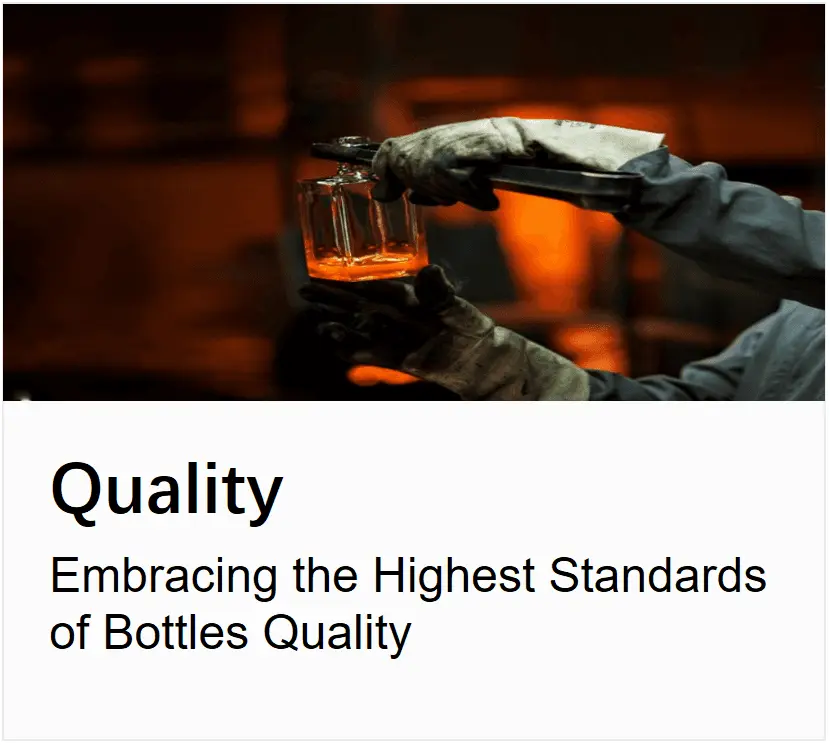
As a leading Chinese glass bottle manufacturer, we take pride in our ability to produce glass bottles from start to finish. Our integrated processes encompass raw material crushing and mixing, precise batching, melting, shaping, and meticulous annealing, ensuring top-notch quality at every step.

By integrating design engineering, mold manufacturing, and large-scale manufacturing under one roof, we provide end-to-end solutions for wineries, distilleries, and cosmetic brands worldwide. Our custom-designed glass bottles with specialized glass closures deliver outstanding product safety and shelf appeal.

Explore Production Capability

All-Around Glass Bottles Packaging Solutions

In Stock, On Time: QLT Glass, Your Swift Solution for Premium Packaging. Ready to Ship Excellence!
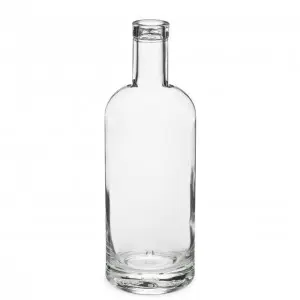
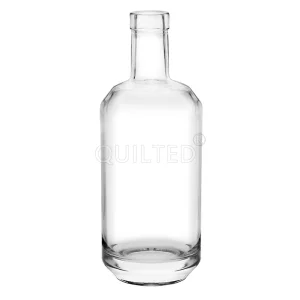
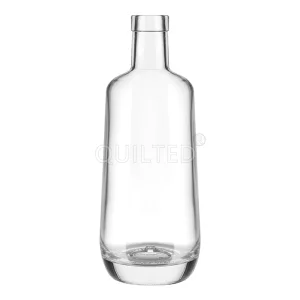
750ml Glass Aspect Liquor Bottles

750ml Glass Aspect Liquor Bottles - Ultra Heavy Base

Designed for high-end whiskeys and brandies requiring high refraction.

Request Technical CAD
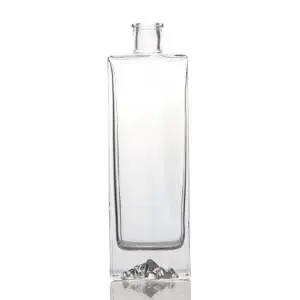
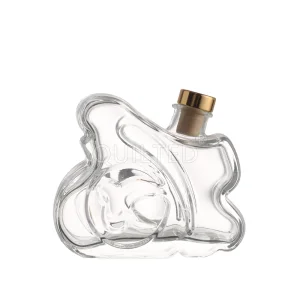
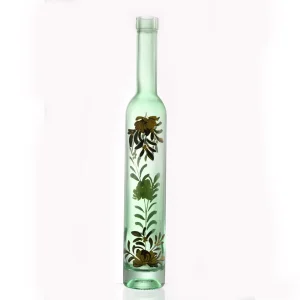
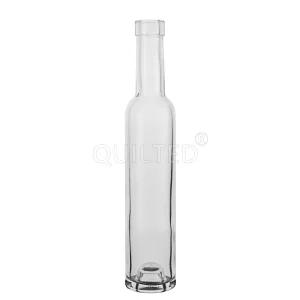
500ml ice berg shape liquor glass bottles

500ml Ice Berg Shape Premium Liquor Glass Bottles

A distinctive geometric design ideal for artisanal spirits and high-end vodka.

Request Technical CAD
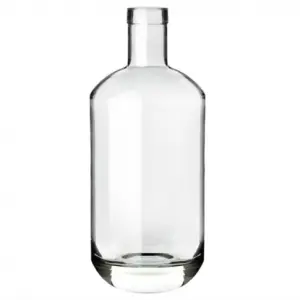
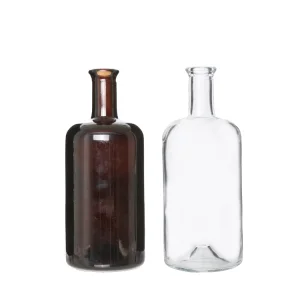
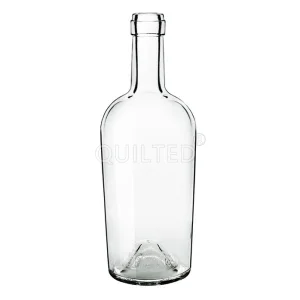
700ml 750ml Pacho Extra Flint Glass Bottle

700ml 750ml Pacho Extra Flint Cylindrical Round Glass Bottle

Classic cylindrical styling optimized for automated high-speed labeling systems.

Request Technical CAD

Chapter 3: Macro Industry Solutions, Localized Support & Compliance

Integrating glass-stoppered bottles into an existing packaging line requires coordination across engineering, production, and logistics. A common issue is converting standard cork insertion lines to handle glass stoppers. We address this by providing custom-designed capping machinery chucks that prevent surface scratching while ensuring the stopper is securely seated.

Additionally, global food safety regulations require strict chemical composition testing. Our glass formulas undergo regular testing to meet major international standards:

  • FDA Compliance (US): Meets Title 21 CFR standards, verifying safe contact with high-alcohol liquids.
  • EU Regulation 1935/2004: Guarantees that no chemical constituents leach into the bottled product.
  • LFGB Certification (Germany/Europe): Assures lead and cadmium migration levels remain well below global detection limits.

Chapter 4: Technical Roadmap & Future Sustainability Initiatives

The glass industry is shifting toward lower environmental footprints and higher material efficiencies. Our roadmap focus areas include:

  1. Lightweighting Technology (NNPB): Narrow Neck Press and Blow (NNPB) technology allows us to reduce bottle weight by up to 20% while maintaining drop resistance. This directly lowers shipping weights, fuel consumption, and carbon footprints.
  2. PCR (Post-Consumer Recycled) Integration: We are testing methods to introduce up to 45% post-consumer recycled cullet into amber and antique-green glass runs, helping brands meet strict green packaging mandates without affecting glass clarity.
  3. Smart Closures: Embedding NFC micro-chips inside the TPE ring of glass stoppers provides brand security and enables interactive consumer experiences at the point of sale.

Frequently Asked Questions (Technical FAQ)

Technical answers regarding glass stoppers, manufacturing tolerances, lead times, and global shipping logistics.

1. What are the key advantages of glass stoppers over natural cork?
Glass stoppers eliminate the risk of TCA cork taint, which can ruin up to 3-5% of corked bottles. They also provide a consistent oxygen transmission rate (OTR) for uniform aging, prevent leaking during horizontal storage, and offer an upscale, reusable closure that adds premium value.
2. How do you prevent leakage in wine bottles with glass stoppers?
We use a food-grade thermoplastic elastomer (TPE) ring around the stopper stem. The bottleneck's inner diameter is molded to a precision tolerance of ±0.15mm. When pressed in, the TPE ring creates a reliable, air-tight seal that is leak-proof even under horizontal storage.
3. Can we run these bottles on our automated bottling lines?
Yes, our bottles are designed for standard filling equipment. Depending on your setup, you may need a dedicated glass stopper capper or minor modifications to your existing cork-feeding system. We provide engineering drawings and 3D CAD files to help you set up your line.
4. What is the Minimum Order Quantity (MOQ) for custom-molded glass-stoppered bottles?
For standard in-stock shapes, the MOQ is 20,000 units. For fully customized bottle designs and custom-molded glass stoppers, the MOQ is typically 50,000 units to offset the costs of mold development and furnace setup.
5. How do you ensure safety and heavy metal compliance (FDA, EU regulations)?
Our raw materials undergo regular testing for heavy metals. Our glass is guaranteed lead-free and meets FDA Title 21 CFR and EU Regulation 1935/2004 standards, making it safe for long-term storage of high-proof alcohol and spirits.
6. What is the typical lead time for custom bottle production?
Creating the 3D model and producing test sample molds takes 15-20 days. Once the samples are approved, manufacturing the production molds and running the initial batch takes 30-45 days, depending on our furnace schedule.
7. How do you protect the bottles from breaking during international shipping?
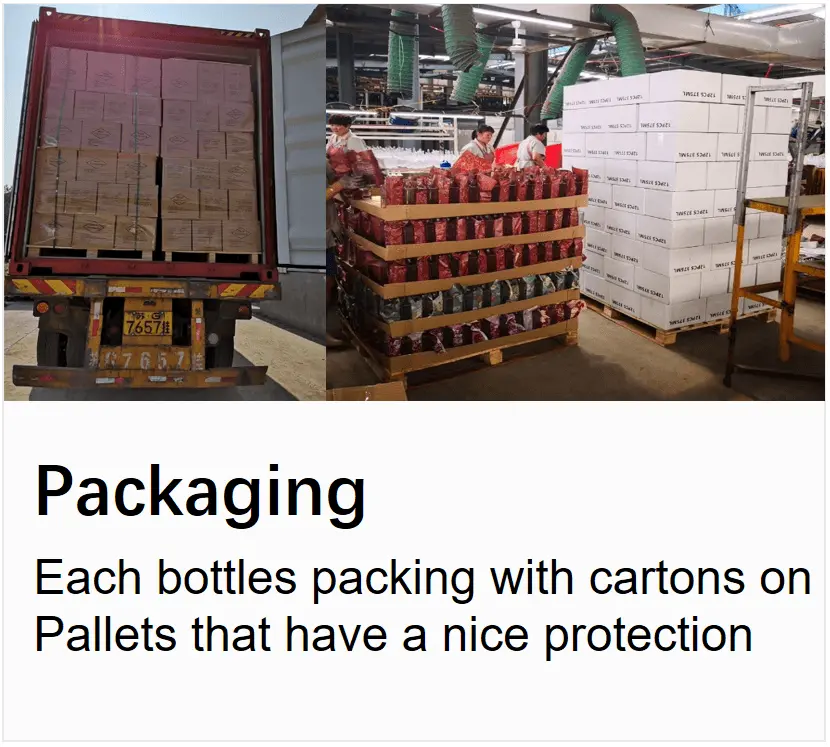
We pack our bottles using heavy-duty, seaworthy pallets with protective cardboard separators, shrink-wrapped with UV-blocking film. For high-end bottles, we also offer custom honeycomb cardboard packing to prevent glass-to-glass contact during transit, keeping breakage rates under 0.5%.
Compliance Certification 1 Compliance Certification 2 Compliance Certification 3 Compliance Certification 4 Compliance Certification 5