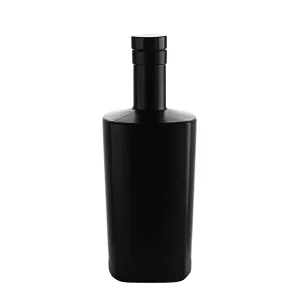
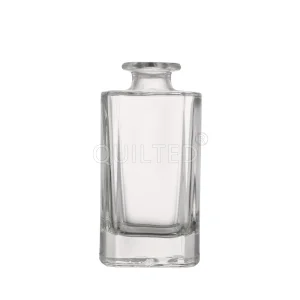
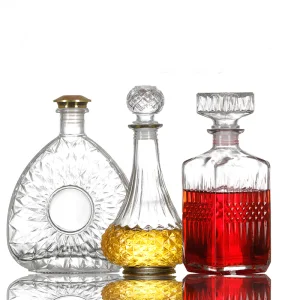
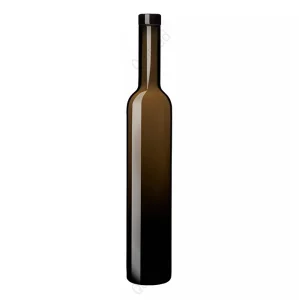
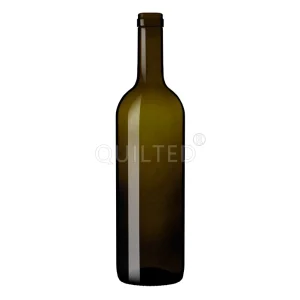
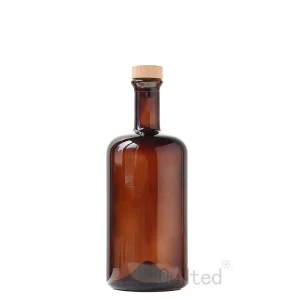
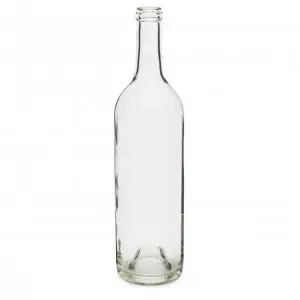
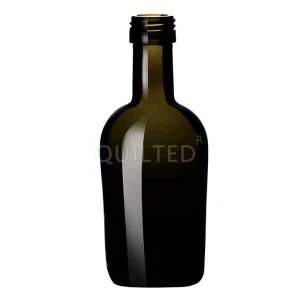
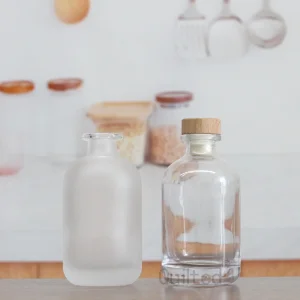
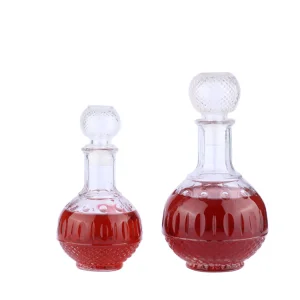
China Wine Glass & Bottle Ml Size Manufacturer & Suppliers

Your Ultimate B2B Guide to Global Compliance, Milliliter Specifications, Custom Glass Architecture, and Industrial Supply Chain Integration

50M+
Annual Output
120+
Export Countries
100%
Lead-Free Materials
15+
Patents & Certifications

Deep Dive: The Science of Wine Glass & Bottle Milliliter (Ml) Capacities

An authoritative analysis of glass vessel metrics, volumetric engineering, and strategic B2B specification sourcing.

Understanding the Global Standard of Volumetric Classifications

For global beverage brands, choosing the right glass container is more than an aesthetic choice—it is a critical alignment of supply chain efficiency, legal compliance, and consumer perception. The milliliter (ml) capacity of wine glasses and packaging bottles dictates not only the pour size but also how the liquid interacts with oxygen, the shelf life of the product, and its market positioning.

From a manufacturing standpoint, glass capacities are generally divided into standardized, commercialized, and highly customized categories. Let's break down the engineering of standard sizes:

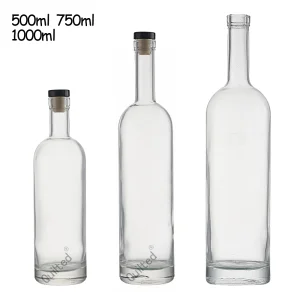
  • Miniature & Split Sizes (187.5ml - 375ml): These sizes, including the Quarter Bottle (187.5ml) and the Demi or Half Bottle (375ml), are highly popular in transportation networks (airlines, high-speed rail), hospitality mini-bars, and for tasting packs. They demand extremely high precision in glass wall thickness to prevent quick oxidation of contents.
  • The Standard Industry Benchmark (700ml - 750ml): The 750ml bottle is the undisputed global standard for wine, while the 700ml is the traditional standard for spirits in Europe and Asia. The neck profiles (cork vs. screwcap finishes) must be precision-engineered down to tenths of a millimeter to ensure absolute seal integrity.
  • Magnum & Large Format Vessels (1.5L - 3L+): Magnum (1.5L) and Double Magnum (3L) volumes are premium-tier products. Their manufacturing requires specialized mold calculations to manage the extreme weight of molten glass while ensuring uniform wall distribution to prevent structural weak points under carbonated pressure.
Information Gain Insight: The thickness of the glass bottom (known as the punt or dimple) significantly affects the structural integrity of the bottle. A deep punt not only aids in historical sediment collection and bottle handling but also redistributes internal pressure, which is vital for sparkling wines and pressurized spirit fills.

Molecular Glass Science and Material Specifications

As a leading Chinese glass manufacturer, we emphasize the chemical engineering behind high-end packaging. Not all glass is created equal. The mechanical strength, clarity, and chemical resistance of a bottle depend heavily on the batch composition. We utilize premium soda-lime-silica glass, formulated with optimized levels of silica (SiO2), sodium oxide (Na2O), and calcium oxide (CaO).

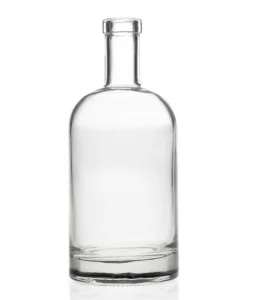
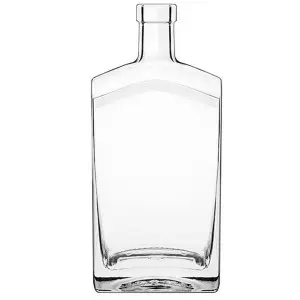
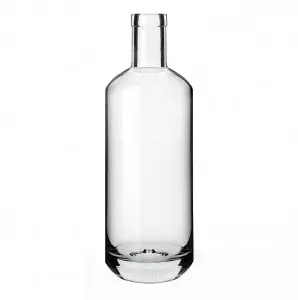
For high-clarity needs, such as premium vodka or premium light spirits, we utilize Extra Flint Glass. This process requires ultra-pure raw materials with extremely low iron content (less than 0.02% Fe2O3) to eliminate the natural greenish-yellow tint of standard glass. The resulting material provides a crystal-clear display, accentuating the true color of the liquid inside.

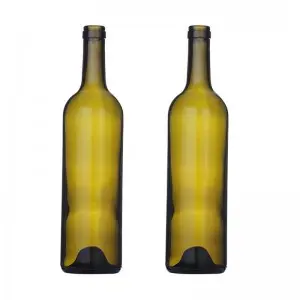
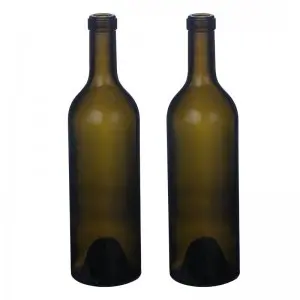
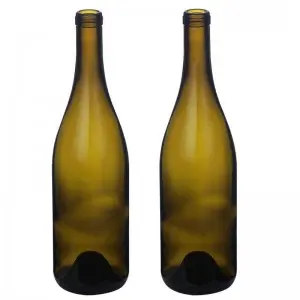
Conversely, for UV-sensitive products such as fine wines and aged spirits, we manufacture bottles in Amber and Antique Green Glass. These colors are achieved through the precise introduction of iron, sulfur, and carbon during the melting process. This creates a chemical barrier that filters out harmful ultraviolet wavelengths (specifically in the 300nm - 460nm range) to prevent light-struck off-flavors and guarantee taste integrity over years of cellaring.

The Competitive Advantages of Chinese Glass Manufacturing Infrastructure

Modern glass manufacturing requires a massive capital investment and an integrated supply chain to operate continuously. Our state-of-the-art facilities in China leverage these systemic factors to offer unparalleled quality and cost benefits to global brands:

1. End-to-End Vertical Supply Chain Integration

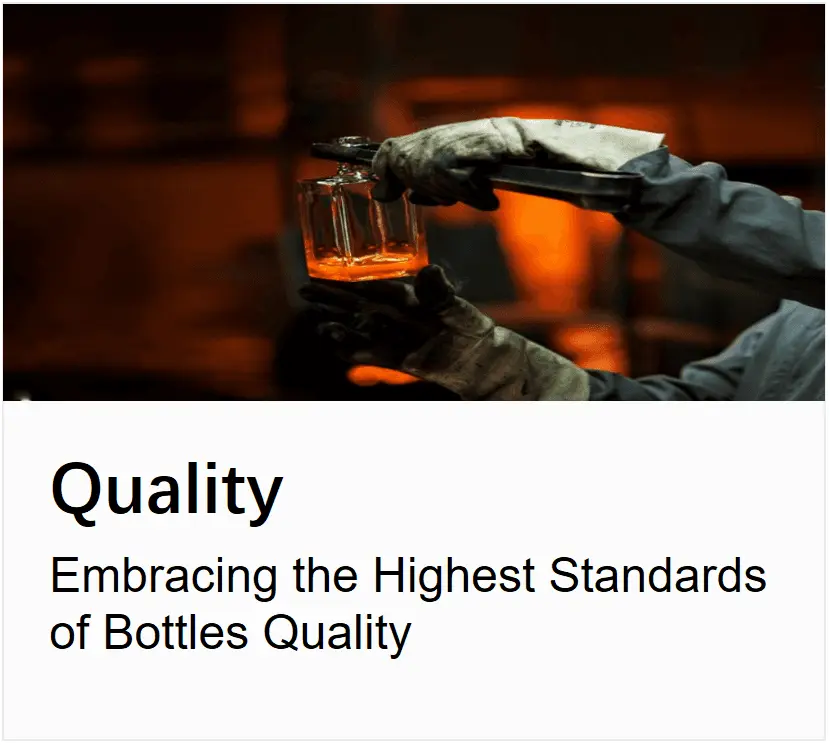
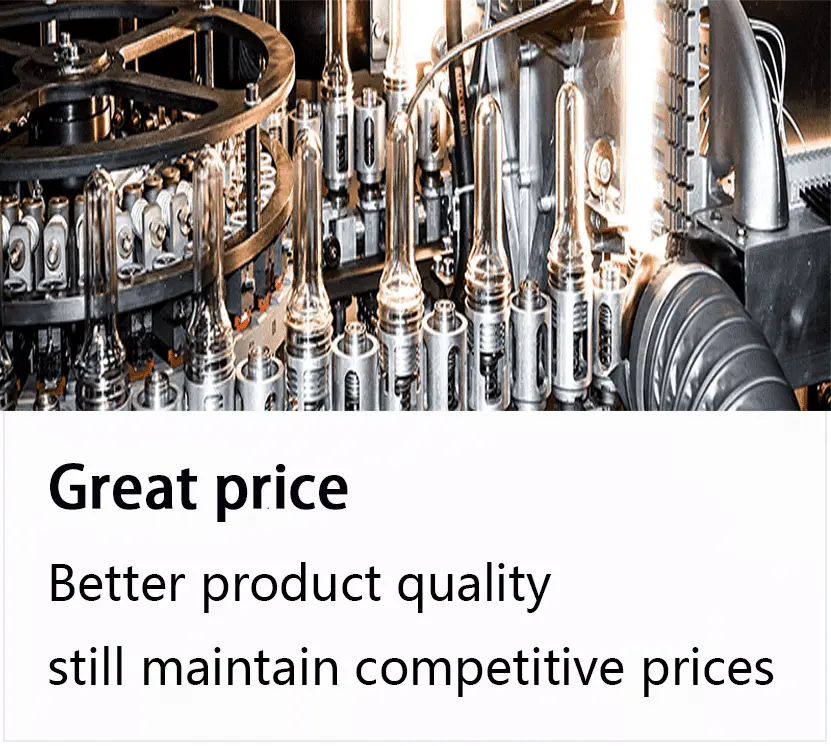
Our operational cycle starts at the source. By managing the crushing and mixing of quartz sand, soda ash, limestone, and cullet (recycled glass) in-house, we control quality from the molecular level. Our processes span batching, melting in high-efficiency natural gas-fired furnaces, high-speed automated forming, and precise annealing in temperature-controlled lehrs. This integration minimizes transport delays, controls raw material costs, and reduces the carbon footprint per bottle.

2. High-Precision IS (Individual Section) Molding Technology

Our production floor features advanced IS forming machines capable of executing both "Blow-and-Blow" (BB) and "Press-and-Blow" (PB) methodologies. The Press-and-Blow method allows us to achieve incredibly consistent glass wall thickness, which is a major cost-saver as it allows for lightweighting—reducing the total glass weight of a bottle by up to 20% while maintaining the same outer dimensions and structural load capacities.

3. Scale, Speed, and Customization Capabilities

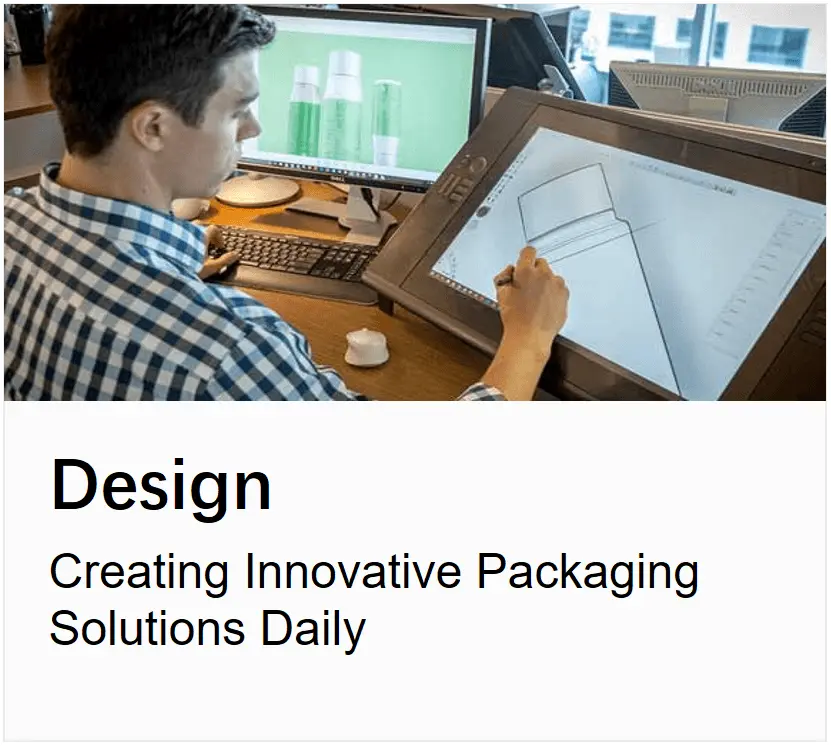
While European factories often demand lead times of 6 to 9 months for custom runs, our optimized Chinese manufacturing infrastructure can take a custom bottle design from CAD drawing, through 3D-printed plastic mockup, to physical steel-molded sample within 20 to 30 days. We run high-efficiency production lines that operate 24/7, providing consistent output for large-scale global product rollouts.

Global Compliance, Safety, and Quality Control Guarantees

Exporting to highly regulated markets like the United States (FDA), the European Union (LFGB/EC 1935/2004), and Japan requires strict adherence to safety standards. Our QA protocols ensure that every bottle delivered is compliant:

  • Heavy Metal Compliance: We guarantee that all glass vessels are free from lead, cadmium, and other toxic heavy metals. Our raw materials are regularly screened, and final products undergo testing to ensure they meet the strict limits of US Toxics in Packaging Clearinghouse (TPCH) legislation and EU Directive 94/62/EC.
  • Thermal Shock Resistance: Sudden temperature swings during bottling, pasteurization, or hot-filling can shatter inferior glass. Our bottles are built to withstand thermal shocks of up to 42°C (and up to 60°C for custom thermal-treated lines) without micro-cracking.
  • Internal Pressure Rating: For sparkling wines, ciders, and carbonated spirits, our pressurized bottles are rated to withstand up to 10-16 bar (or more for specific champagne-style molds), preventing catastrophic failures during transport and retail display.
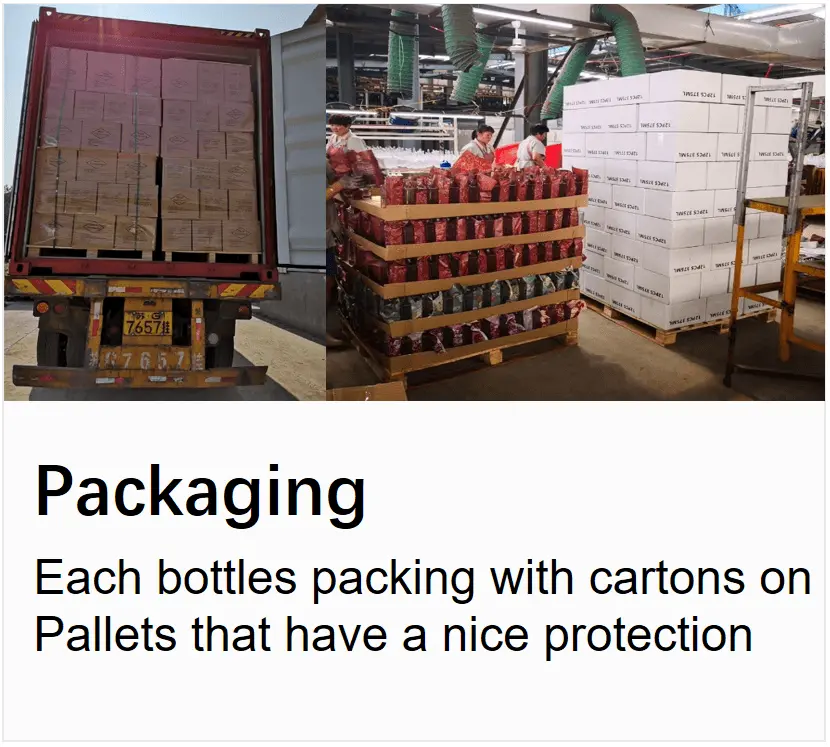
  • Vertical Load Capacity: Stacking cartons on pallets during international ocean freight places immense pressure on bottom bottles. Our packaging solutions are designed to support heavy vertical loads (often exceeding 3,000 N to 6,000 N depending on bottle size), ensuring zero collapsing in transit.
About QLT Glass Bottle Manufacturing

About Us: Pioneers in High-Performance Glass Packaging

As a leading Chinese glass bottle manufacturer, we take pride in our ability to produce glass bottles from start to finish. Our integrated processes encompass raw material crushing and mixing, precise batching, melting, shaping, and meticulous annealing, ensuring top-notch quality at every step.

By continually investing in state-of-the-art automation and advanced defect inspection technology, we serve major wineries, craft distilleries, and global beverage conglomerates. Our production model balances mass efficiency with flexible customization, ensuring that your packaging communicates premium value in every retail market.

Read Our Full Story

Strategic B2B Procurement: Global Trends & Application Mapping

1. The Shift to Lightweighting (Green Packaging Initiatives)

Global brands are working to reduce their carbon footprint. Lightweight glass containers (reducing the raw weight of glass while maintaining structural integrity) offer two major benefits: lower logistics costs and smaller carbon footprints. By utilizing advanced Press-and-Blow manufacturing and FEM (Finite Element Method) stress analysis, we produce lightweight glass bottles that can handle filling pressures and transit stress, reducing carbon tax liabilities for importing brands.

2. High-Precision Customizations and Surface Treatments

To stand out in a crowded market, premium spirit brands rely on custom treatments. We offer complete post-processing services, including:

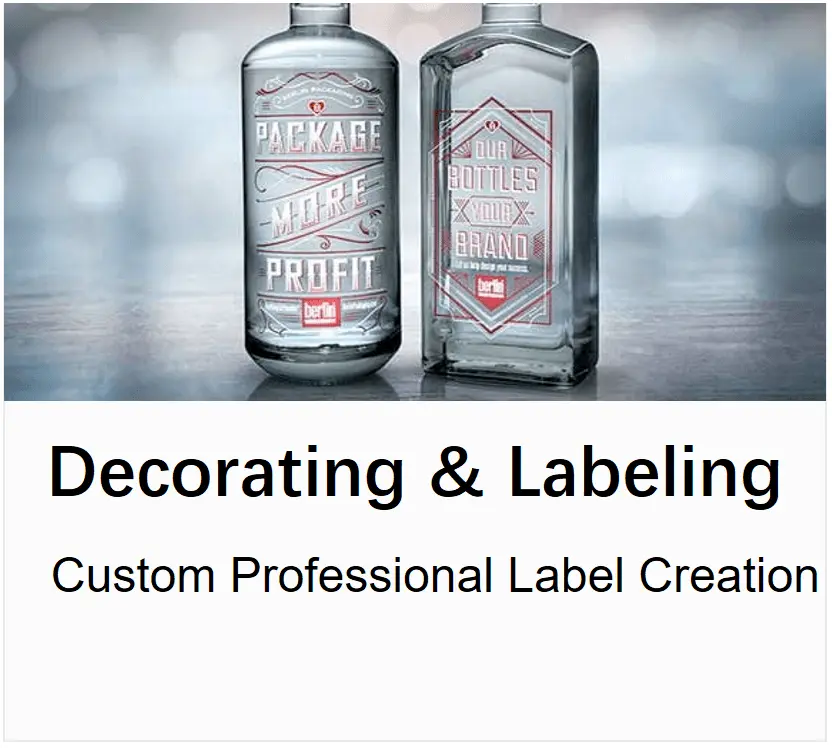
  • Electroplating & Metallization: Creating stunning metallic, mirror-like reflections on the glass surface.
  • Acid Etching & Frosting: Providing a soft touch and diffusing light to showcase the bottle's design.
  • High-Temperature Screen Printing & Decals: Ensuring labels remain crisp and chemical-resistant throughout the supply chain.
Standardization Tip: Integrating generic, high-volume container molds with custom finishes (such as neck embossing or base engravings) allows brands to achieve a custom look without the high cost of a completely bespoke mold.

Expert B2B Procurement FAQ (Frequently Asked Questions)

Direct answers from our senior engineering and supply chain management teams.

What are the standard Minimum Order Quantities (MOQs) for custom wine & spirit bottles?
For in-stock bottles, our MOQ is typically 10,000 units. For custom molds (new glass shapes and proprietary engravings), the standard MOQ ranges from 20,000 to 50,000 units per production run. This allows us to keep the furnace running efficiently and minimize setup waste.
How does your factory ensure compliance with FDA and heavy metal safety regulations?
We use pure batch materials and test our glass regularly with independent labs (SGS/TUV). We certify that our final glass packaging has heavy metal (Pb, Cd, Hg, Cr VI) concentrations well below the 100ppm threshold mandated by international regulations.
What are the standard tolerances for glass bottle capacities and dimensions?
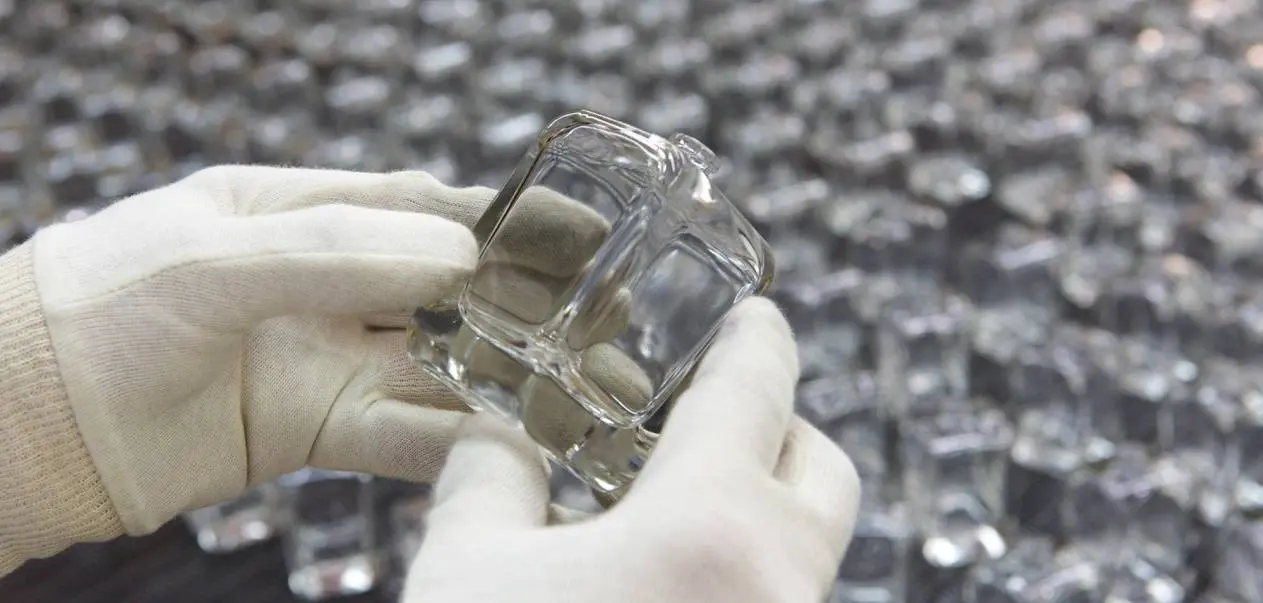
Our glass containers meet DIN ISO 9001 standards. The standard capacity tolerance for a 750ml bottle is +/- 1.5% to 2%, and outer dimensions are controlled within +/- 1.0mm to 1.5mm. This ensures smooth operations on high-speed bottling lines.
Can you provide free pre-production samples?
Yes. We provide free samples of our stock bottles so you can check their physical quality, clarity, and dimensions before placing a bulk order. For custom molds, we charge a mold tooling fee, which is refundable once production volume reaches our agreed target.
What packaging and pallet shipping methods do you use to minimize breakage?
We package our bottles using standard export-grade pallets with corrugated partitions and plastic stretch wrapping. For shipping glass directly to bottling lines, we offer bulk palletizing (layered with cardboard divider sheets) and customized outer shipping cartons to keep breakage rates well below 0.5% during long-distance ocean shipping.

Certified Global Partners & Logistics Standards

Working with major inspection bodies and global ocean shipping carriers to deliver flawless glass containers.
Inspection Quality Certificate 1
Safety Standard Mark 2
Environmental Standard Certification 3
Global Supply Chain Quality Standard 4
Industrial Manufacturing Authority 5