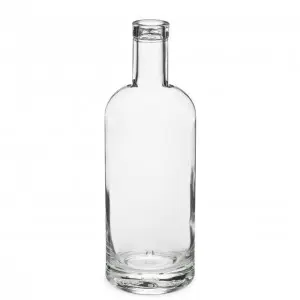
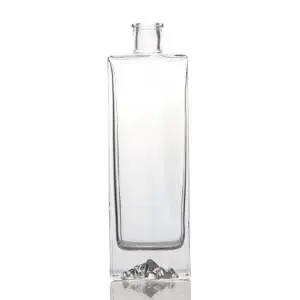
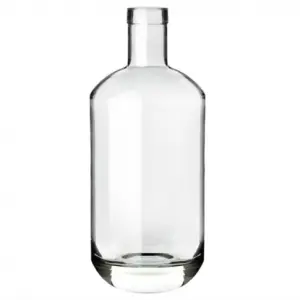
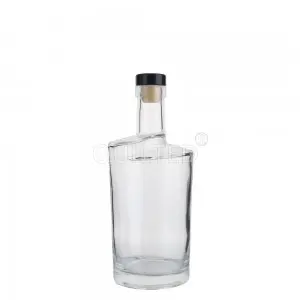
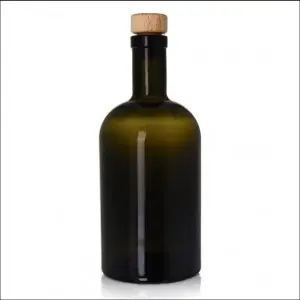
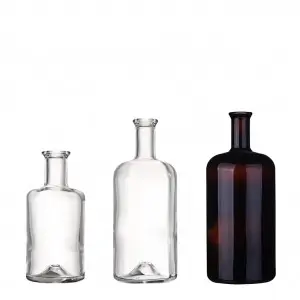
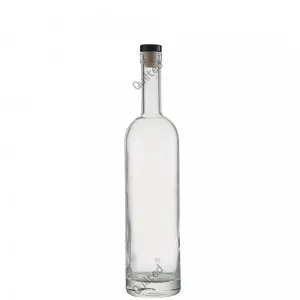
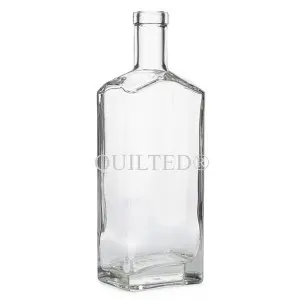
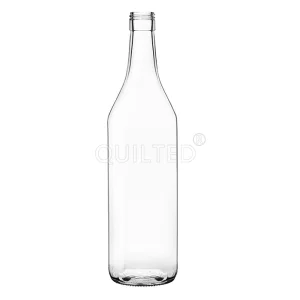
Browse our top-tier collection of flint and extra-flint bottles, perfect for gin, vodka, whiskey, and high-end wines.
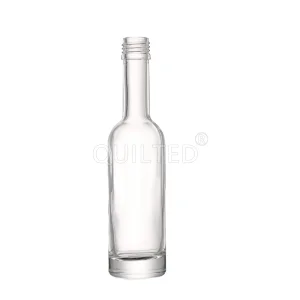
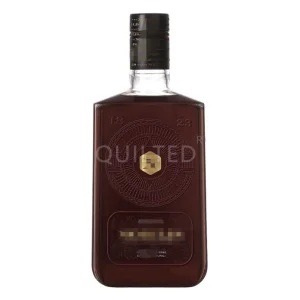
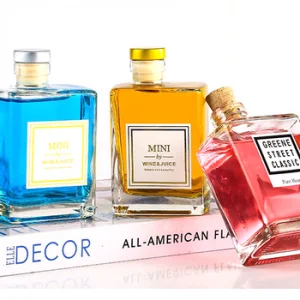
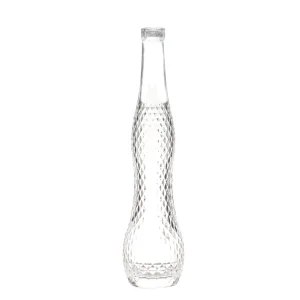
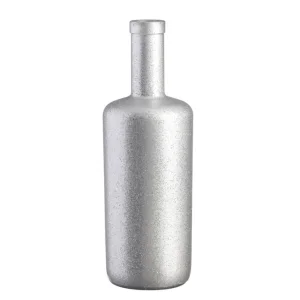
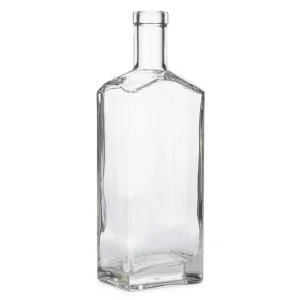
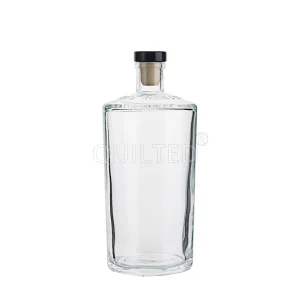
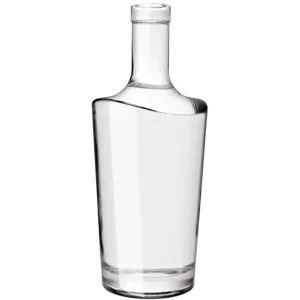
Providing an end-to-end industrial ecosystem that bridges modern design aesthetics with heavy-duty supply chain capabilities.
Our premier custom bottle manufacturing service, with an optimized supply chain, seamlessly transforms your concepts into stunning packaging solutions.
Configure Custom Bottle →Crafting our custom glass packaging solutions within our state-of-the-art bottling facility enables us to drive down costs while ensuring swift delivery of top-notch finished goods.
Explore Factory Tours →Avail yourself of our complimentary glass bottle samples, aiding you in solidifying your decision to invest in our premium glass bottle selections, facilitating bulk purchases with confidence.
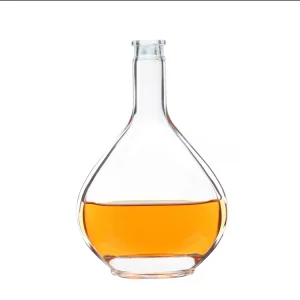
Request Sample Kit →In the fiercely competitive global alcohol industry, packaging serves as the physical manifestation of brand identity. A premium wine or spirit is not judged solely by its liquid profile but by the tactile and visual signals it transmits. This phenomenon is deeply researched under sensory branding. High-end beverage brands rely heavily on ultra-flint, high-refractive crystal bottles to set themselves apart on crowded retail shelves and in luxury venues. The optical clarity of the bottle allows the natural, rich amber of aged whisky, the clear purity of small-batch gin, or the deep ruby hue of a vintage wine to shine without color distortion.
From an engineering standpoint, "crystal glass" historically referred to glass with lead oxide content, which increased the refractive index and weight. However, modern environmental regulations and health guidelines demand lead-free formulations. Industry leaders have achieved similar levels of luster, durability, and resonance by incorporating elements like titanium, zinc, and barium oxides into the batch mix. As a leading wholesale crystal bottle wine supplier, we leverage these advanced chemical mixtures to deliver products that feature the brilliance of vintage crystal while satisfying stringent global food-contact safety standards, including FDA and European Food Safety Authority (EFSA) regulations.
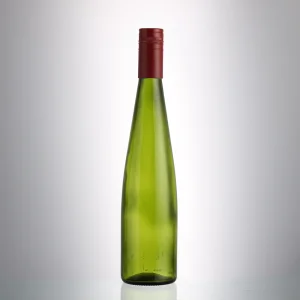
Standard glass bottles often exhibit a green or blue tint due to iron impurities in the silica sand. While acceptable for everyday table wine, premium brands find it degrades the visual value of their products. Extra-flint crystal bottles undergo rigorous chemical decolorization. Selenium and cobalt are introduced in micro-doses to counteract the yellow-green tint, creating a perfectly neutral medium.
Understanding the macroeconomic and cultural trends driving the demand for premium crystal glass packaging across major markets.
As carbon reduction targets tighten, glass manufacturers are pressured to reduce bottle weight. However, ultra-premium spirits demand heavy, thick-bottomed bases. Global B2B buyers navigate this paradox by opting for custom distributions: lighter walls combined with structurally reinforced bases. This maintains the tactile weight where consumers feel it most (the base) while lowering the overall environmental footprint.
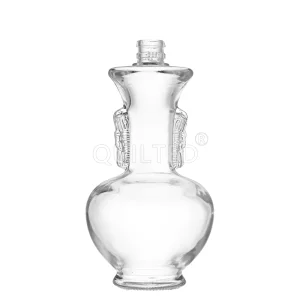
Standard shapes are no longer sufficient to build strong brand equity. Modern distilleries and vineyards demand custom mold engineering. Embossed logos, complex facet cuts, and non-traditional geometries (like square vodka bottles or gourd shapes) have surged in popularity. This visual differentiation deters counterfeiting while making the package highly collectible.
Glass is infinitely recyclable without loss of quality. Global procurement teams prioritize suppliers who utilize post-consumer recycled (PCR) glass and clean energy in their production lines. Modern electric hybrid furnaces and waste heat recovery systems allow factories to manufacture premium-grade crystal bottles with minimal carbon output.
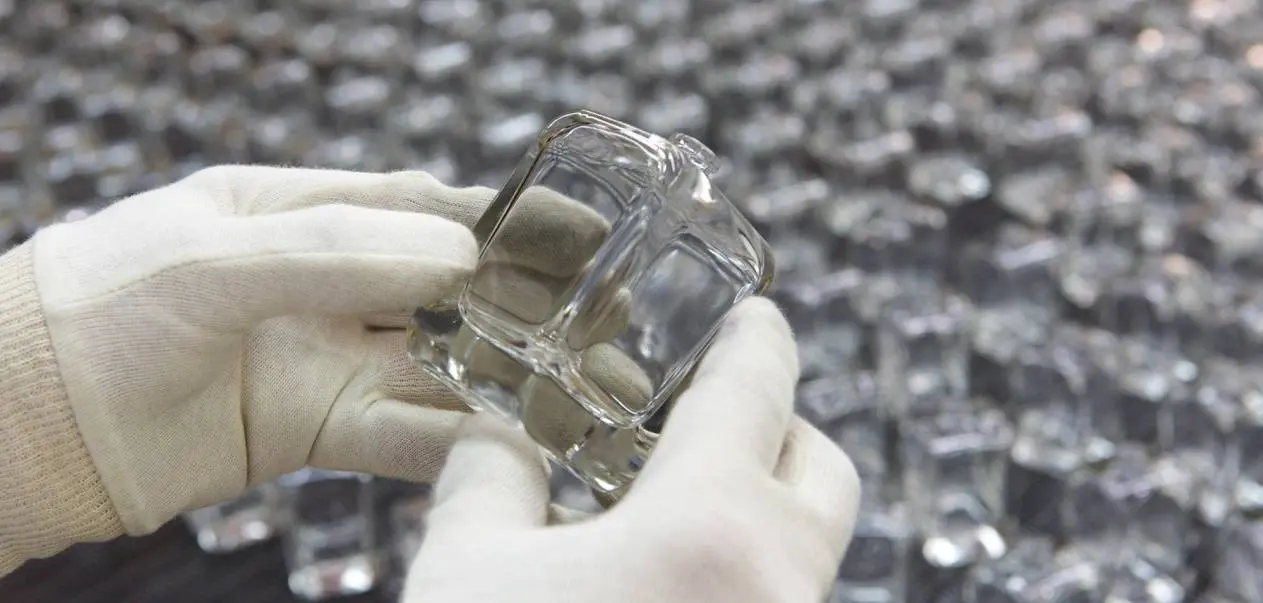
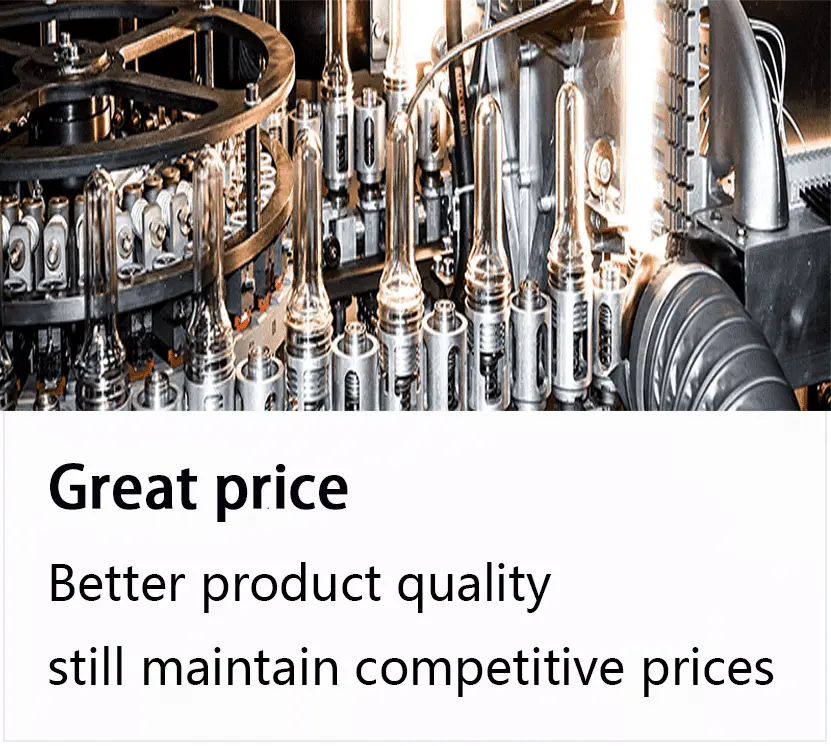
The global glass supply chain has undergone significant volatility. To secure reliable, cost-effective inventory, multinational wine and spirits groups are turning to advanced manufacturing facilities in China. Our integrated Factory 4.0 system bridges raw material processing with precision automated forming to guarantee consistency at scale.
By integrating automated batching, computerized temperature monitoring, and AI-driven quality inspection, we eliminate human error from the production cycle. Raw materials are mixed in computerized batching towers, guaranteeing precision down to the milligram. The molten glass is processed in natural gas-fueled furnaces monitored by thermal imaging systems to prevent bubble formation or cord defects.
Furthermore, our annealing processes rely on automated lehrs that gradually cool the glass. This relieves all internal thermal stress, resulting in bottles with superior pressure resistance and impact tolerance. Whether you are packaging carbonated sparkling wines or high-proof spirits, our structural integrity guarantees a minimal breakage rate during high-speed automated bottling lines.
"As a leading Chinese glass bottle manufacturer, we take pride in our ability to produce glass bottles from start to finish. Our integrated processes encompass raw material crushing and mixing, precise batching, melting, shaping, and meticulous annealing, ensuring top-notch quality at every step."
By maintaining complete control over our value chain, we can guarantee consistent quality, reliable delivery schedules, and highly competitive prices. We manage our own silica sand purification systems to keep iron content below 100ppm, ensuring the highest transparency for our extra-flint bottles. With dynamic design teams, master mold makers, and multi-tier quality inspection setups, we turn creative packaging concepts into physical assets that elevate global brands.
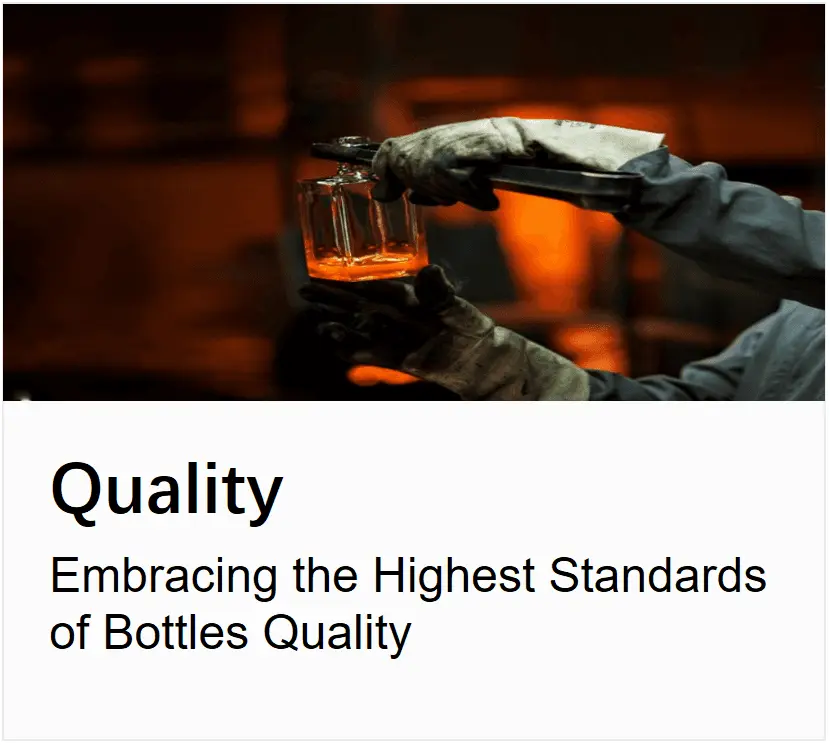
Read All & Explore Our StoryWe run every batch through rigorous testing protocols to confirm their suitability for international distribution:
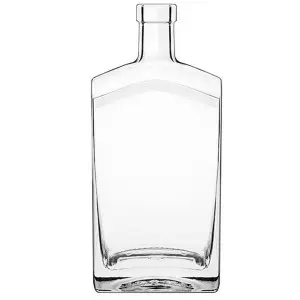
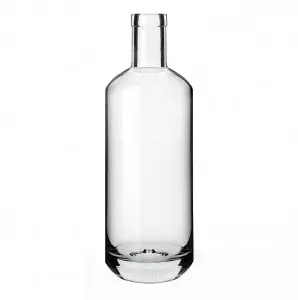
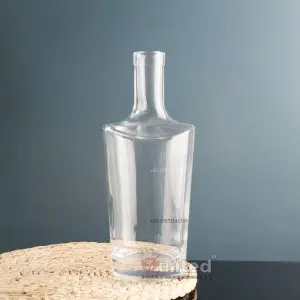
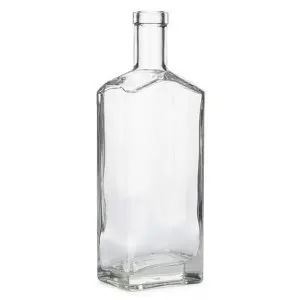
Explore our diverse styles designed for premium liquors, aged cognacs, fine wines, and custom craft spirits.
Analyzing custom specifications and regulatory compliance requirements for major regional markets.
Distilleries and wine producers in North America prioritize compliance with FDA rules and the TTB (Alcohol and Tobacco Tax and Trade Bureau) fill level rules. Standard fill capacities like 750ml, 1 Liter, and 375ml must fit within strict volumetric tolerances. Furthermore, custom cork finishes and compatibility with standard cork inserters or synthetic closures are crucial. High-flint glass bottles must withstand vertical load pressures during automated high-speed bottling lines without structural failure.
European beverage groups heavily focus on glass bottle light-weighting to mitigate packaging taxes and reduce carbon footprints. B2B buyers look for high-grade extra-flint bottles that offer excellent aesthetic appeal while meeting strict weight limits. Recycled glass content, or cullet ratio, is also key. Every export batch must comply with Article 3 of EC Regulation No. 1935/2004 regarding food-contact safety materials.
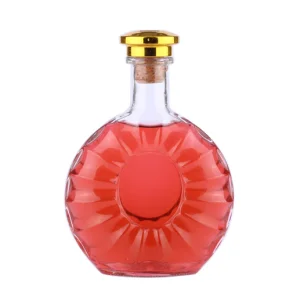
The rapid rise of craft spirits and high-end mezcal, tequila, and baijiu has created massive demand for distinctive, heavy-base decanters. Procurement teams in Mexico, Brazil, and Australia look for custom glass decanters that reflect their heritage. The focus is on complex custom molding, textured embossing, and compatibility with custom wooden closures or glass stoppers. These designs require specialized mechanical molds and high-quality finishing lines.
Always request a complete mold draft analysis and pilot production samples before committing to large-scale runs. This ensures the physical dimensions, volumetric fill lines, and cork fit conform to your packaging lines.
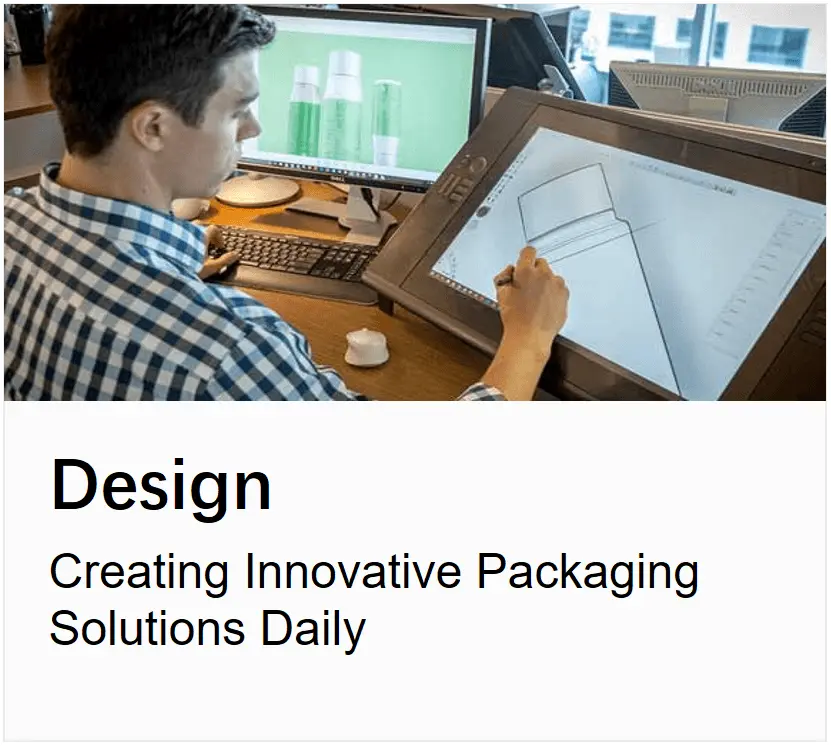
Our technical teams work closely with global design agencies to deliver premium crystal wine and liquor bottles.
Frequently asked questions by global procurement directors, distillery owners, and brand managers.
For existing custom shapes and ready-to-run molds, the MOQ typically ranges between 10,000 and 20,000 units. For completely custom, newly engineered molds requiring unique tooling configurations, our MOQ is set at 30,000 pieces per run. This allows us to optimize the furnace thermal balance and minimize waste during startup.
We strictly adhere to lead-free formulations, substituting lead oxide with food-safe titanium and barium oxides. Every batch is certified under FDA regulations, California Proposition 65, and European Union food-safety standards. Comprehensive heavy metal testing is conducted by third-party laboratories (like SGS or TÜV) to guarantee compliance.
Typical structural mold design and sample prototyping take 15 to 20 days. Once the sample is approved, mass production mold fabrication takes another 20 days. Actual production run cycles are completed in 30 days, followed by sea shipping which ranges from 15 to 40 days depending on the destination port.
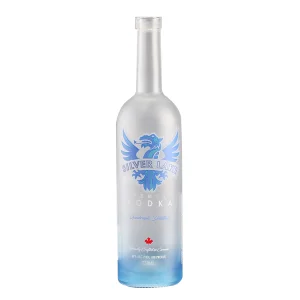
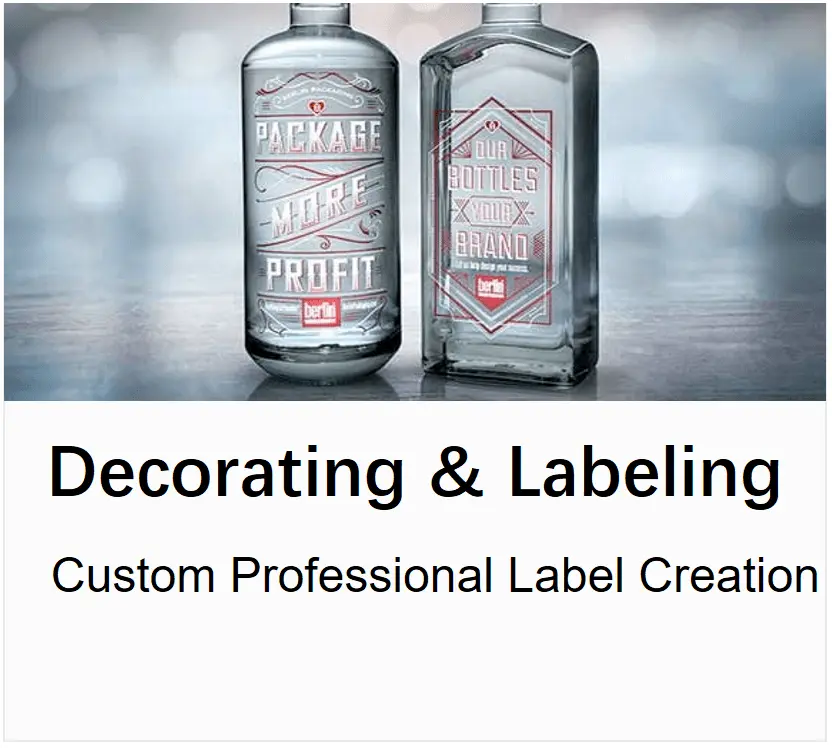
Yes, we provide an extensive array of decoration methods including acid etching (frosting), precision screen printing, hot foil stamping, custom color painting (matte, glossy, or pearl effects), electroplating (metallic finish), and debossing/embossing during the bottle forming process.
Highly customized, flint-clear glass bottle series for high-end retail distribution, direct from production lines.
 QLT Glass