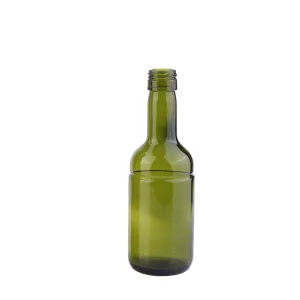
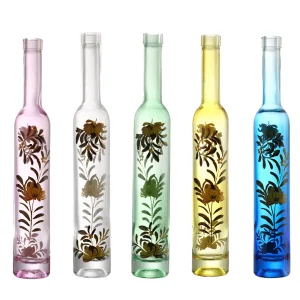
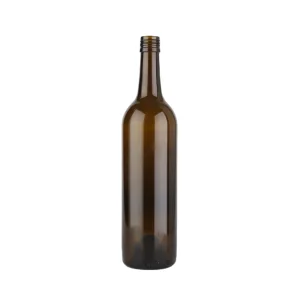
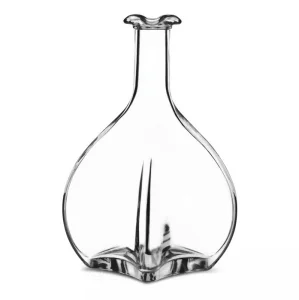
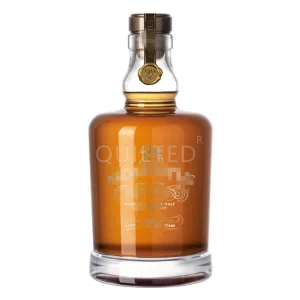
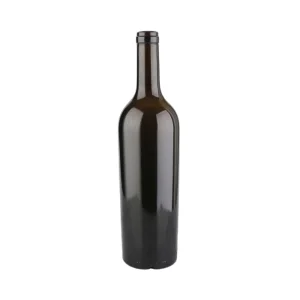
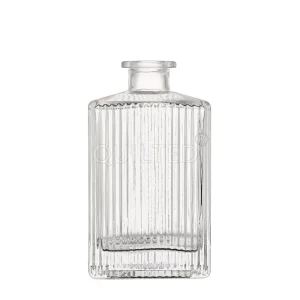
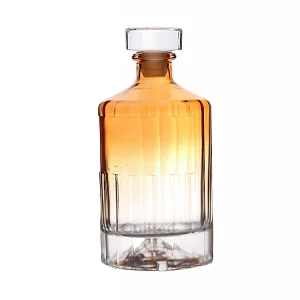
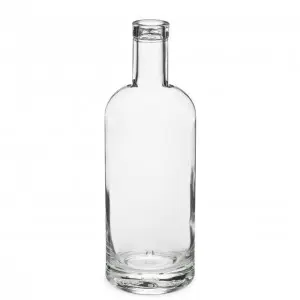
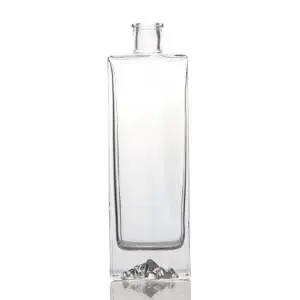
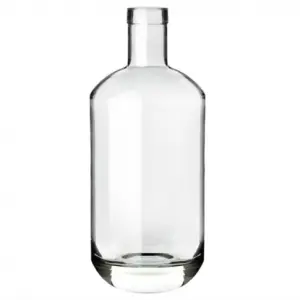
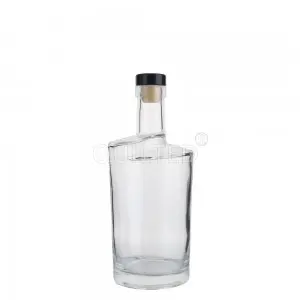
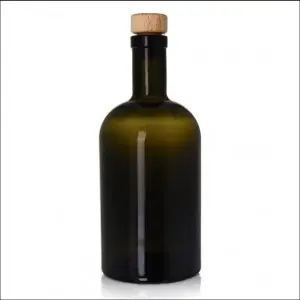
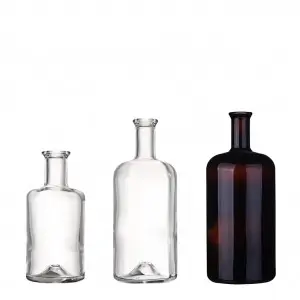
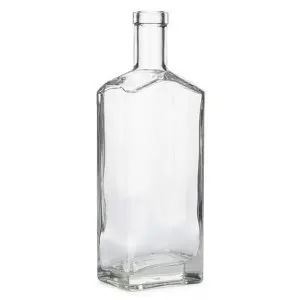
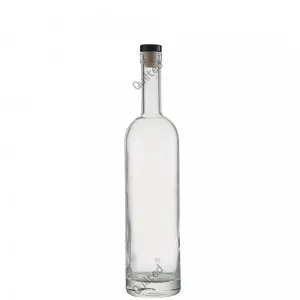
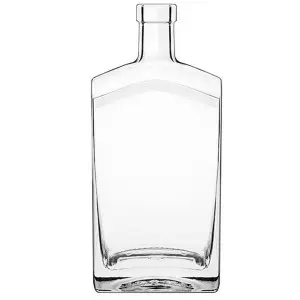
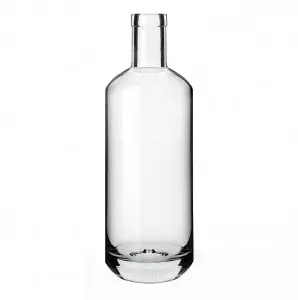
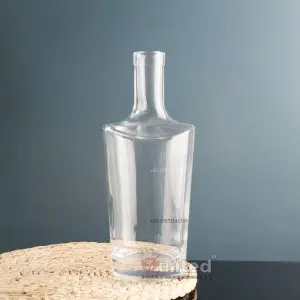
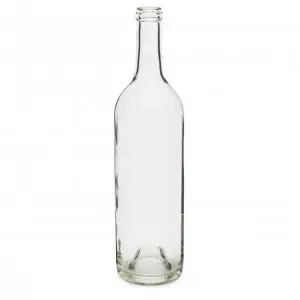
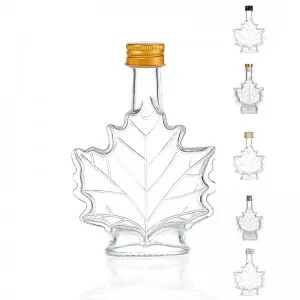
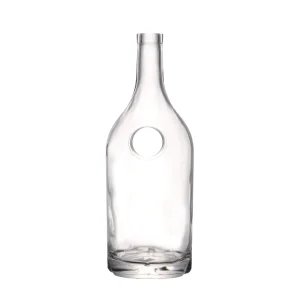
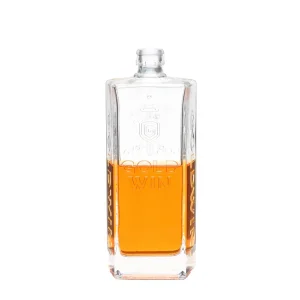
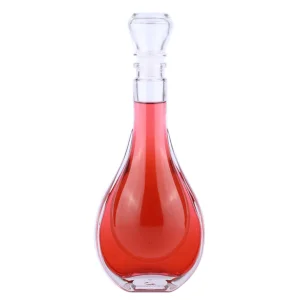
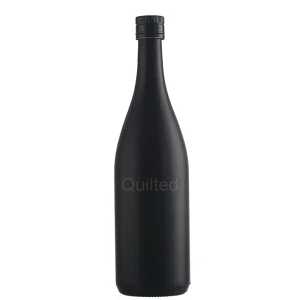
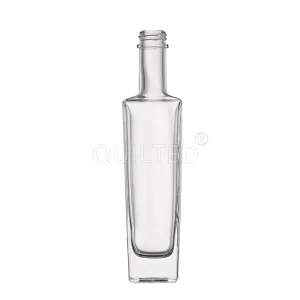
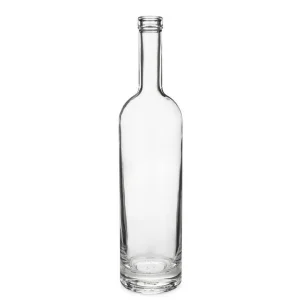
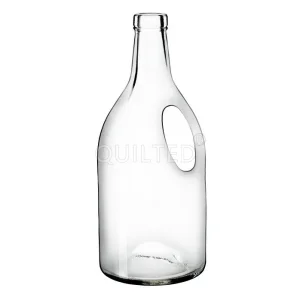
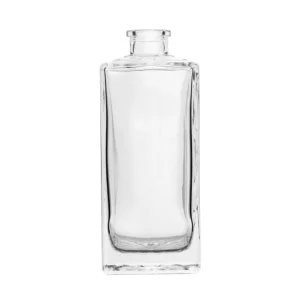
High-quality, durable glass structures engineered for modern automated filling lines, featuring exceptional thermal shock tolerance and structural density.

Our premier custom bottle manufacturing service, with an optimized supply chain, seamlessly transforms your concepts into stunning, structurally sound packaging solutions.

Crafting our custom glass packaging solutions within our state-of-the-art bottling facility enables us to drive down costs while ensuring swift delivery of top-notch finished goods.

Avail yourself of our complimentary glass bottle samples, aiding you in solidifying your decision to invest in our premium glass bottle selections, facilitating bulk purchases with confidence.
The manufacturing architecture of wholesale different size bottles of wine is undergoing a significant evolutionary shift, driven by two distinct but related market pressures: structural lightweighting and ecological footprint reduction. Advanced glass packaging factories are adopting modern Narrow Neck Press Blow (NNPB) processes. This process uses high-precision metallic plungers to form the internal cavity of glass bottles rather than relying on traditional compressed air blow methods. NNPB distributes glass evenly across the neck, shoulder, and base of the bottle, allowing manufacturers to reduce overall bottle weight by up to 30% without sacrificing mechanical strength or axial load capacity.
From 187ml split bottles to large-format 15L Nebuchadnezzars, the physical behavior of soda-lime-silica glass varies significantly under internal hydrostatic pressures and external mechanical stresses. Computational tools like Finite Element Analysis (FEA) simulate real-world conditions like bottling line impacts, vertical stacking pressure, and rapid temperature changes during pasteurization. The thermal shock resistance threshold must remain above a ΔT of 40°C to prevent crack propagation and catastrophic failure during automated washing and filling cycles.
Looking ahead, the industry is moving toward fully electric and oxy-fuel regenerative melting furnaces. Integrating AI-driven inspection systems right after the annealing lehr allows manufacturers to spot micro-flaws, air bubbles, and wall deviations in real time. This keeps quality high and prevents line stoppages down the road.
Beverage packaging demands tailored solutions. Still wines require careful management of the Oxygen Transmission Rate (OTR), which depends heavily on the dimensional stability of the internal neck diameter. The interface between the cork or screw cap and the glass surface must be engineered to prevent oxidation. This ensures wines age predictably over years or decades.
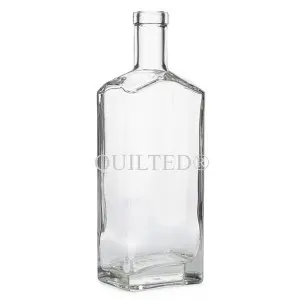
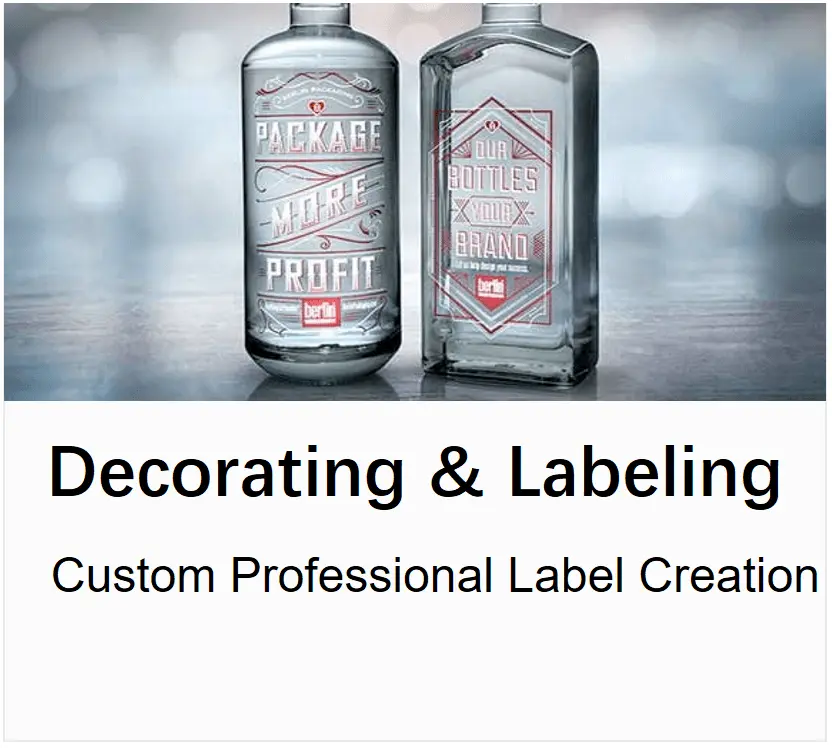
For sparkling wines, cider, and carbonated beverages, the container must withstand high internal pressure. Champagne bottles are engineered to handle up to 6 to 8 bars of pressure. This requires a thicker glass distribution, a deeper punt (base indentation) to redirect stress, and reinforced neck collars that can support secure wire cages (muselets). Clear glass bottles for premium spirits need excellent clarity (low-iron flint glass) and customizable decoration capabilities, such as acid etching, ceramic screen printing, and deep embossing.
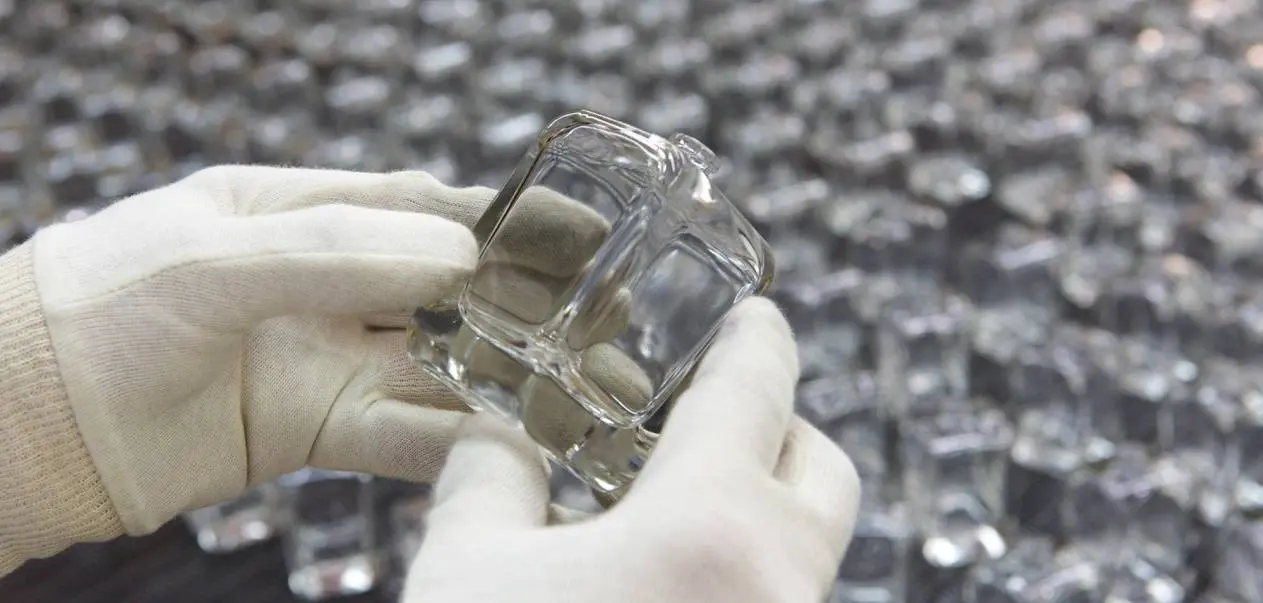
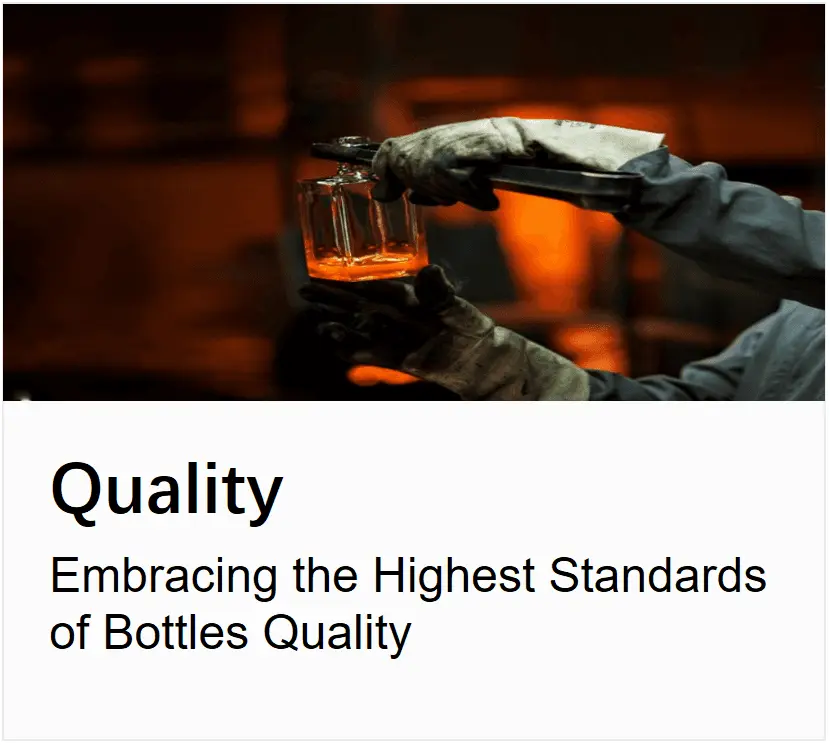
As a leading Chinese glass bottle manufacturer, we take pride in our ability to produce glass bottles from start to finish. Our integrated processes encompass raw material crushing and mixing, precise batching, melting, shaping, and meticulous annealing, ensuring top-notch quality at every step.
Explore Our Full CapabilitiesIn Stock, On Time: QLT Glass, Your Swift Solution for Premium Packaging. Ready to Ship Excellence!
In modern glass manufacturing, keeping your supply chain reliable is just as important as production speed. Chinese Factory 4.0 plants connect batch house raw materials directly to automated glass melting systems using advanced industrial IoT setups. Computer-controlled weighing systems measure raw materials like high-purity silica sand, soda ash, and limestone. This prevents impurities that can cause discoloration or weaken the glass structure.
Inside the plant, automated transport systems and robotic pick-and-place lines move bottles through the hot and cold ends of production. At the cold end, bottles receive micro-thin coatings of tin tetrachloride or polyethylene wax. These coatings reduce friction, preventing scratching and surface wear when the bottles rub together on high-speed packaging lines.
Real-time visual monitoring systems, equipped with AI detection tools, scan every bottle for tiny cracks, uneven wall thickness, or stones in the glass melt. Combined with regional warehousing and structured container loading, this setup prevents common shipping issues like glass-on-glass abrasion during sea transit. Wineries receive clean, strong bottles ready for immediate use, reducing waste and keeping lines running smoothly.
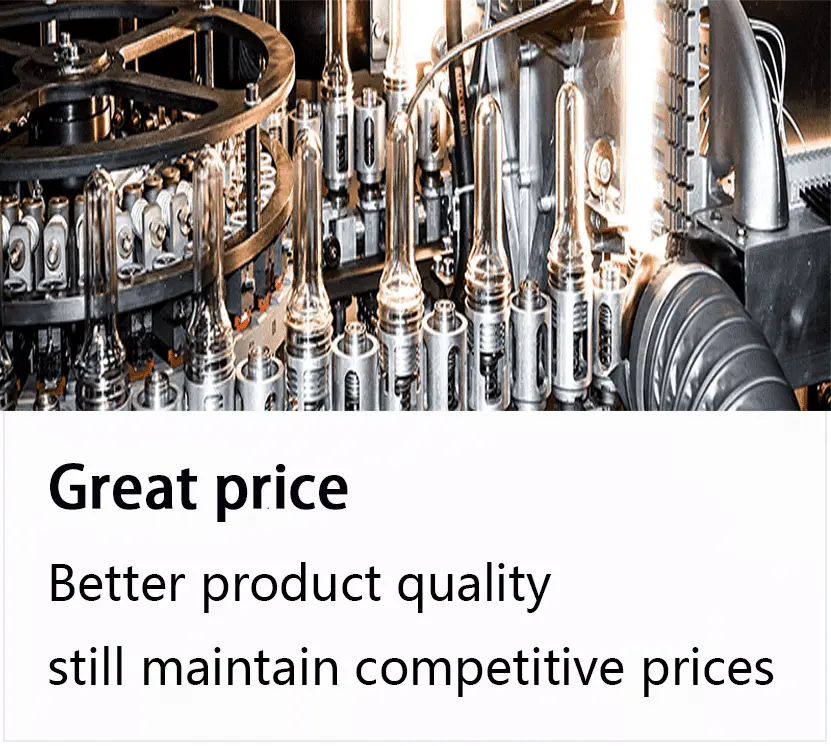
For large-scale wine producers and spirit distributors, choosing a glass manufacturer involves evaluating more than just price. Procurement teams look closely at the Total Cost of Ownership (TCO), which includes mold costs, shipping space efficiency, and defect rates (measured in Parts Per Million, or PPM). Working directly with an integrated manufacturer eliminates middleman markups and establishes clear accountability for quality.
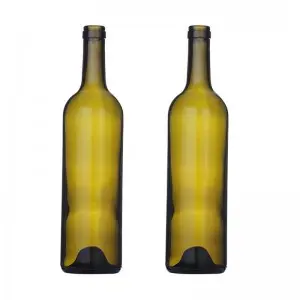
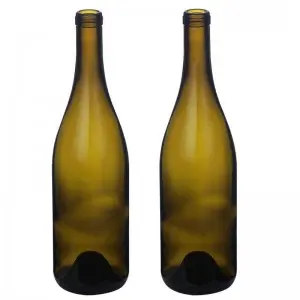
Flexible manufacturing setups help balance the need for both high-volume runs and specialized custom shapes. Standard sizes like 750ml Bordeaux or Burgundy bottles run on high-efficiency, multi-gob machines to keep unit costs low. For limited-edition spirits or seasonal wines, manufacturers can adjust production lines to handle lower Minimum Order Quantities (MOQs) while maintaining high quality standards.
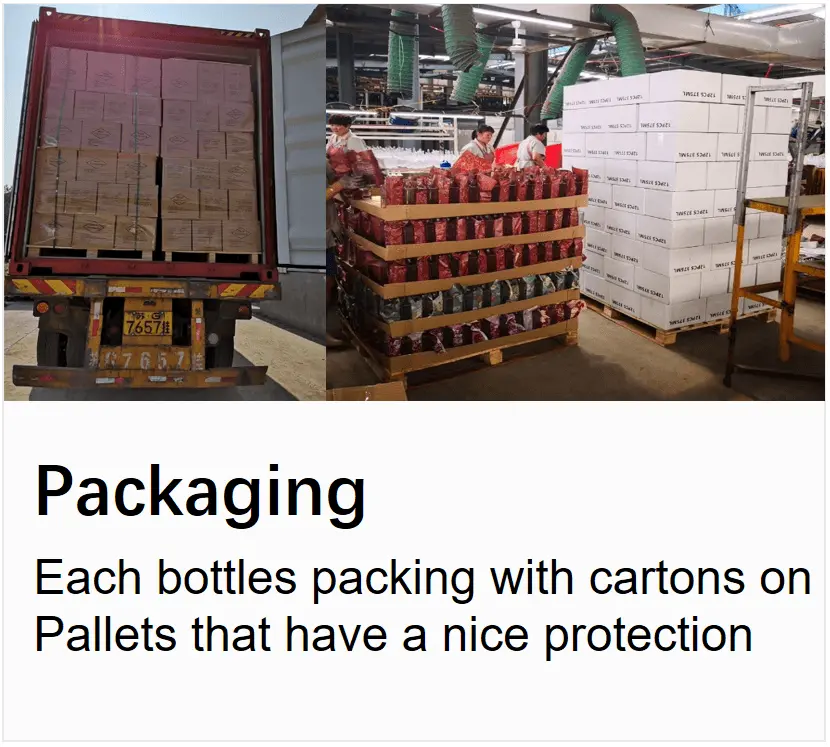
Smart packaging practices also make a big difference in shipping costs. Bulk pallet loading uses plastic layer pads, heat-shrink hoods, and strapping to keep glass secure. This layout maximizes space in standard 40-foot HQ containers, reducing freight costs per bottle and ensuring shipments arrive intact without broken glass.
Food safety regulations are strict worldwide. Glass containers must serve as inert packaging, meaning they won't react with or affect the liquid inside. Raw materials are regularly tested to ensure they comply with international standards, such as the US FDA's generally recognized as safe (GRAS) criteria, European Union food contact directives, and heavy metals limits under CONEG / European Parliament Directive 94/62/EC.
To meet compliance requirements, bottles go through testing to measure lead, cadmium, mercury, and hexavalent chromium levels. We also run regular testing to ensure the glass is resistant to water and acid reactions, verifying it meets Class III hydrolytic resistance standards. This prevents any chemical leaching that could alter the wine's taste, aroma, or quality over time.
For international shipments, customs preparation is key. Having the right paperwork ready—such as clean bills of lading, phytosanitary certificates for wood pallets, and compliant customs coding—helps prevent port delays. Wineries can keep production on track without dealing with unexpected shipping hold-ups.
Explore our diverse portfolio of custom-molded, high-density glass packaging solutions for leading wine and spirits brands worldwide.
Answers to complex engineering, chemical resistance, logistics, and customization queries.
Precision manufactured containers built to meet international specifications and perform reliably on packaging lines.
 QLT Glass