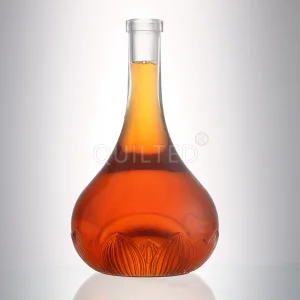
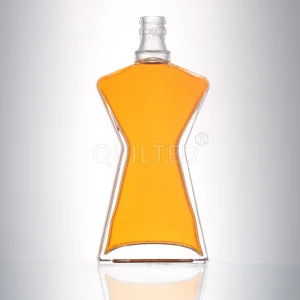
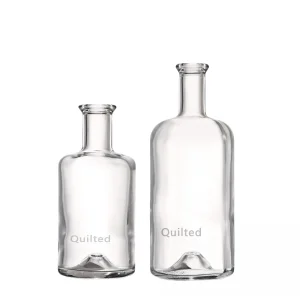
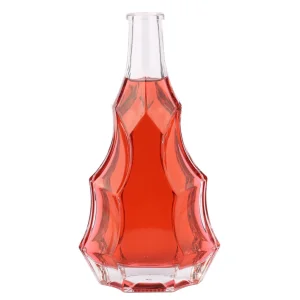
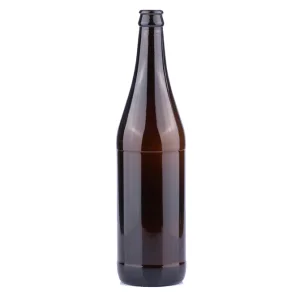
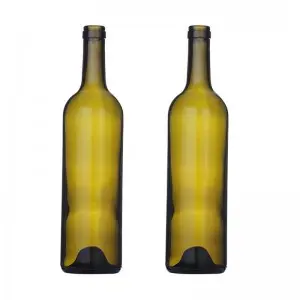
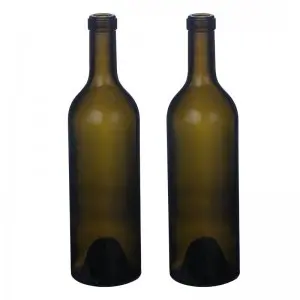
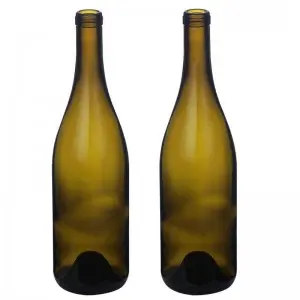
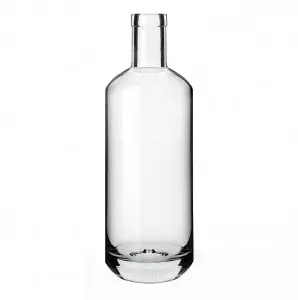
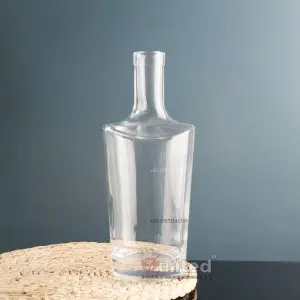
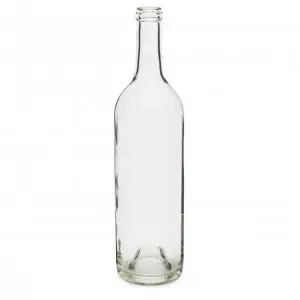
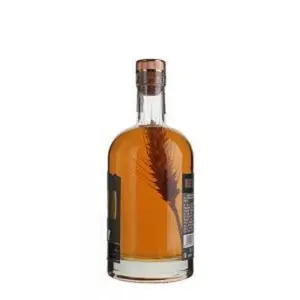
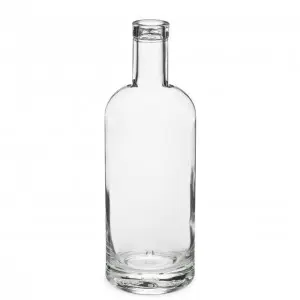
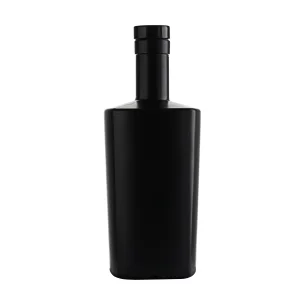
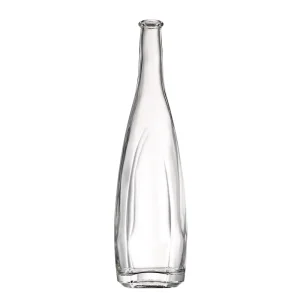
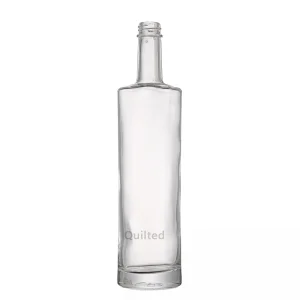
Discover our premier selection of high-flint and extra-flint glass bottles, precision-engineered with airtight cork and stopper seals to preserve structural integrity, chemical purity, and product taste.
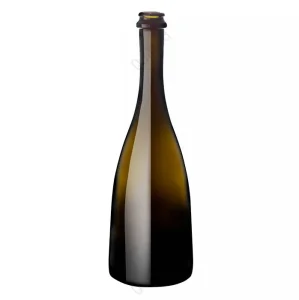
Premiumization, ecological conservation, and technological integration are redesigning structural packaging globally.
In the global food, beverage, and chemical pharmaceutical supply chains, the choice of containment packaging is transitioning from standard polymers to high-durability glass packaging with specialized stoppers. This pivot is fueled by the rise of high-end craft distilleries, micro-breweries, apothecary cosmetics, and custom culinary oils. Premiumization requires not just unique brand design, but chemical inertia, gas-tight seals, and premium tactile experiences.
Stoppers—ranging from premium natural agglomerated cork to glass-on-glass grounding stoppers (such as Vinolok-style systems) and high-density synthetic poly-laminates—are critical to preserving organoleptic properties. Modern brands demand zero chemical migration, zero oxidation, and reliable re-scalability. As premium spirit and wine segments grow at a CAGR of 5.8% globally, securing a consistent supply of custom glass structures and matching closures has become a key competitive factor for global purchasing managers.

Our custom bottle manufacturing service leverages digital modeling, finite element analysis (FEA), and an optimized supply chain to transform concepts into performance-tested packaging solutions.

By crafting all glass products in our state-of-the-art facilities, we control raw batching, melting, shaping, and annealing, reducing costs and accelerating delivery schedules.

We offer complimentary physical glass bottle samples to help your procurement and QA teams evaluate clear flint glass clarity, weight, wall thickness, and stopper interface dimensions.
How automated production technology and vertically integrated manufacturing guarantee quality, agility, and cost-efficiency for international brands.
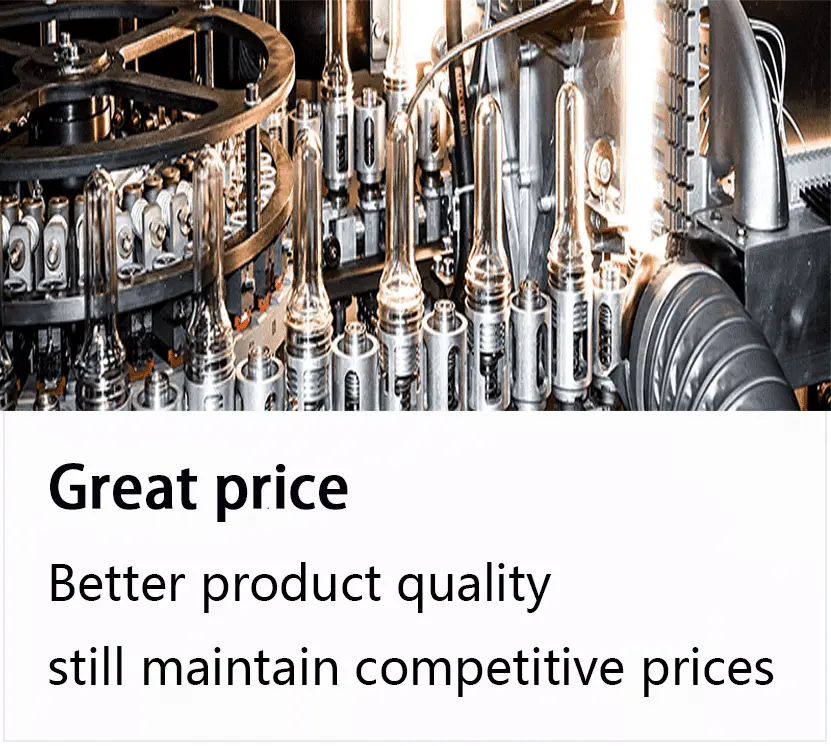
Our smart factories utilize automated IS (Individual Section) machines and computer-controlled batch feeding systems. These systems maintain precise temperature profiles within the melting furnaces, minimizing glass structural deviations and gas bubbles while ensuring high glass tensile strength.
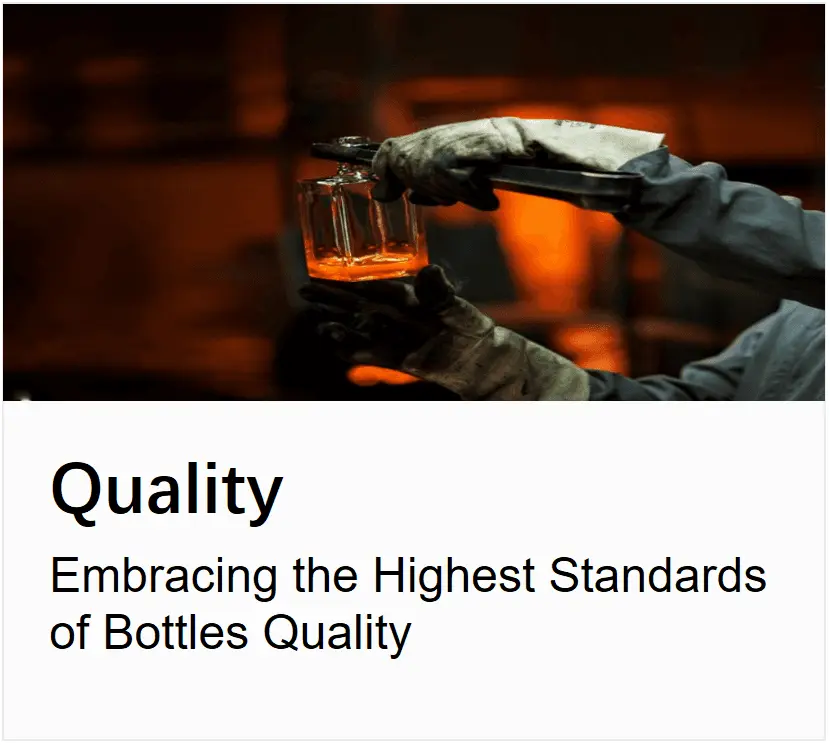
Each bottle is scanned in real-time by optoelectronic inspection lines. Micro-cracks, ovality deviations, wall asymmetry, and finish imperfections are flagged and automatically rejected before entering the annealing lehr, maintaining a reliable, high-yield final product.
In line with global environmental initiatives, we use oxy-fuel combustion and electric hybrid melting systems. These innovations significantly lower CO2 emissions per ton of melted glass, helping global buyers achieve their scope-3 sustainability goals.
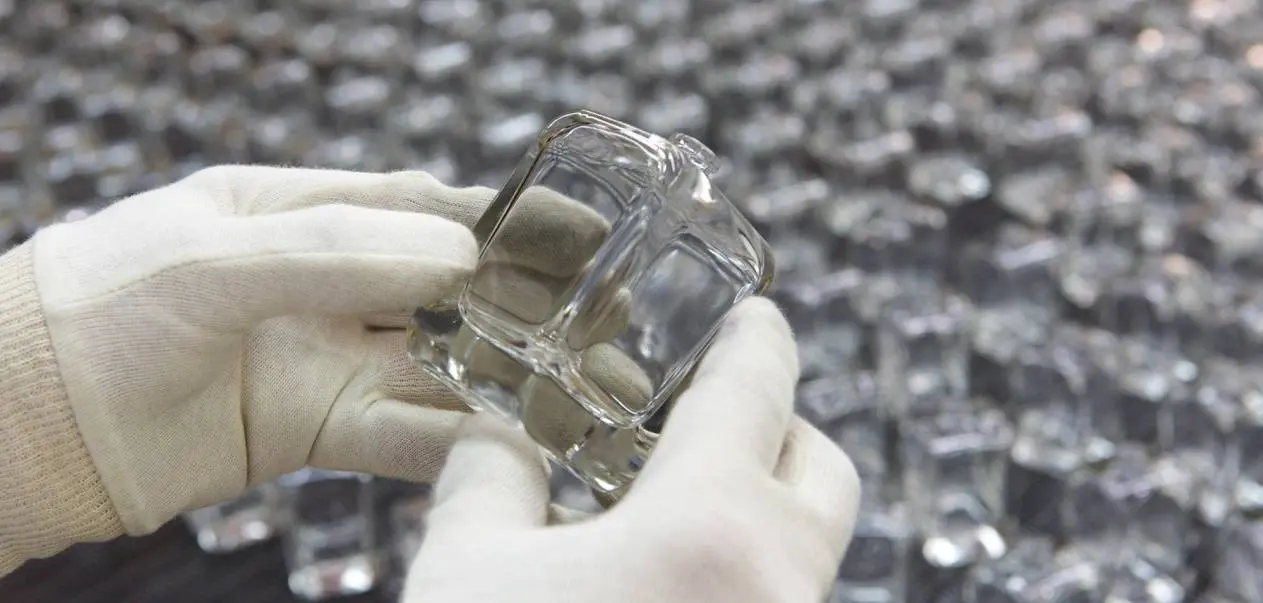
Empowering international brands with end-to-end glass packaging design and scalable production capabilities.
As a leading Chinese glass bottle manufacturer, we take pride in our ability to produce glass bottles from start to finish. Our integrated processes encompass raw material crushing and mixing, precise batching, melting, shaping, and meticulous annealing, ensuring top-notch quality at every step.
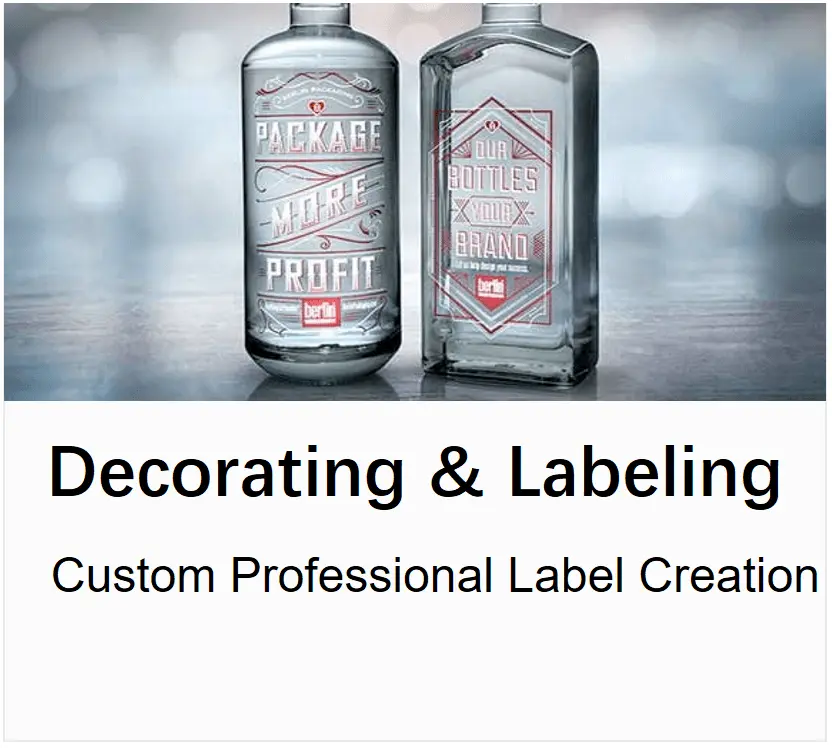
With decades of refinement, QLT Glass serves the demanding requirements of the global spirits, wine, beverage, and specialty food industries. Our dedicated design studio offers structural and surface decoration options (including acid etching, screen printing, decaling, electroplating, and custom mold embossing) to help brands stand out on retail shelves.
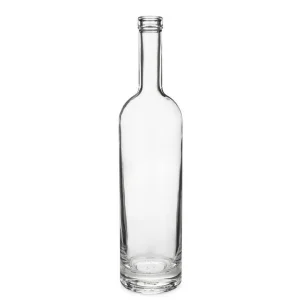
Explore our curated portfolio of designs engineered to accommodate varied closure types: natural corks, T-top synthetic plugs, screw caps, and custom stopper designs.
Different regions and applications require specific technical and regulatory solutions.
In North America and Europe, craft distilleries and specialty food manufacturers face stringent FDA, SGS, and EU standards regarding heavy metals (such as lead levels under 100 ppm) and chemical migration. Glass containers offer an optimal solution: naturally inert, glass creates an impermeable barrier that does not affect taste or quality, even over long storage periods.
Our global supply network meets these requirements by using raw materials derived from high-quality silica sand, soda ash, and limestone. Each glass run undergoes extraction and chemical analyses in our labs. We offer matching closure designs—from standard cork configurations to custom glass and synthetic stoppers—providing buyers with integrated, leak-proof packaging solutions.
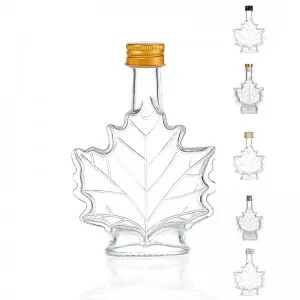
For retail-focused products like high-end whiskies, vodkas, and premium maple syrups, the bottle shape is central to brand identity. Our custom design services help brands stand out through unique geometry, high-clarity flint glass, and functional stopper configurations. These features deliver a premium feel, solidifying brand value and building consumer trust.
We support low-volume craft projects and high-volume operations alike, offering flexible production limits and customizable logistics solutions (FOB, CIF, DDP) to maintain consistent product flow and minimal lead times.
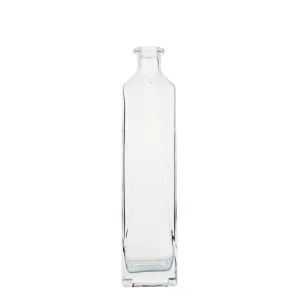
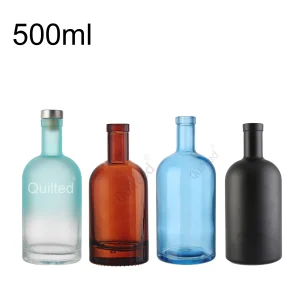
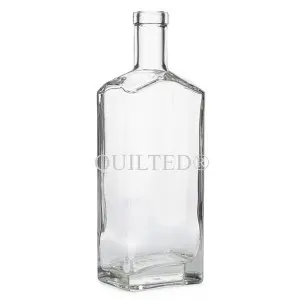
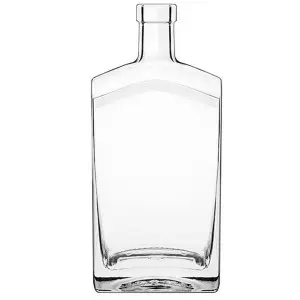
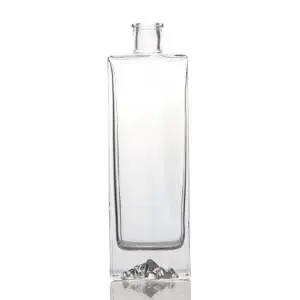
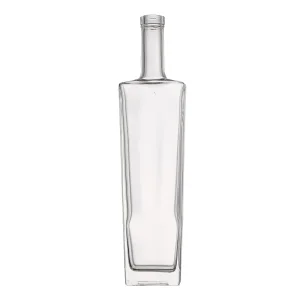
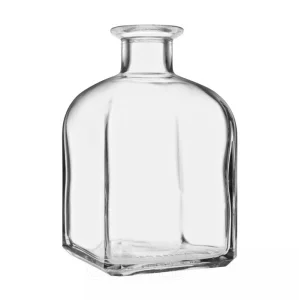
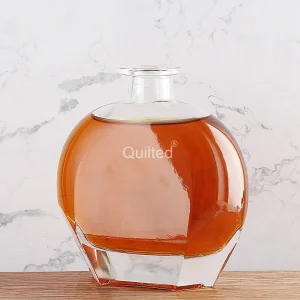
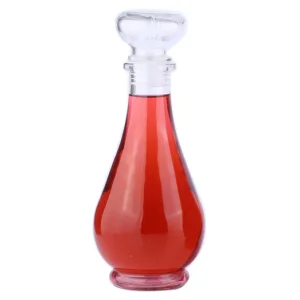
From flat-square spirit containers to decanter-style bottles, browse our additional options designed for global brands.
Technical guidelines, engineering parameters, and sourcing advice for glass packaging with stopper closures.
Super Flint and Extra Flint refer to high-clarity grades of glass. Super Flint uses premium sand (featuring very low iron oxide content, typically less than 0.012%) and premium additives to provide maximum light transmission and clarity, making it ideal for premium spirits. Extra Flint also offers high clarity but has slightly relaxed optical tolerances, balancing cost and premium presentation for mid-to-high tier brands.
Our engineering team designs the glass finish profile and matching stoppers using finite element analysis (FEA). Standard cork applications use standard dimensions (like 18.5mm or 21.5mm bore diameters) with precise tolerances. For glass-on-glass stoppers, we grind the glass mating surfaces to a tight seal or apply a food-grade elastomer (synthetic silicone or EVA ring) to create an airtight, leak-resistant closure.
All glass packaging complies with FDA (Food and Drug Administration) requirements for food contact, EC Regulation No. 1935/2004 for European distribution, and SGS heavy-metal testing standards. Our manufacturing sites are ISO 9001 and ISO 14001 certified, ensuring consistent quality management and environmental compliance.
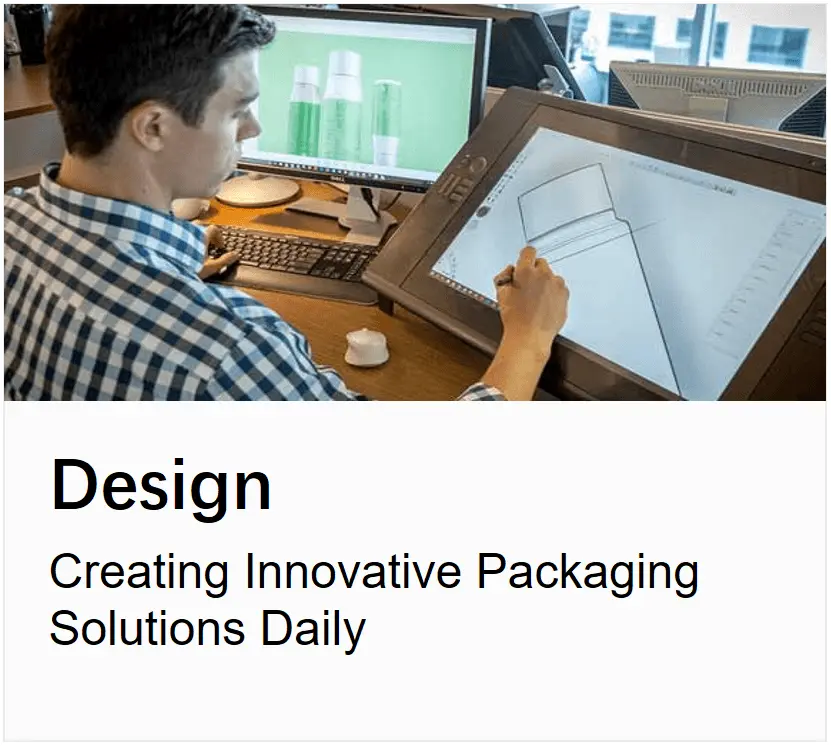
Yes, we specialize in custom bottle designs. Our team creates detailed 3D CAD concepts and 3D-printed plastic prototypes for initial feedback. Steel or iron production mold costs typically range from $2,500 to $4,500 per mold set, depending on structural complexity and shape requirements. For high-volume contracts, we often amortize or wave these tool costs.
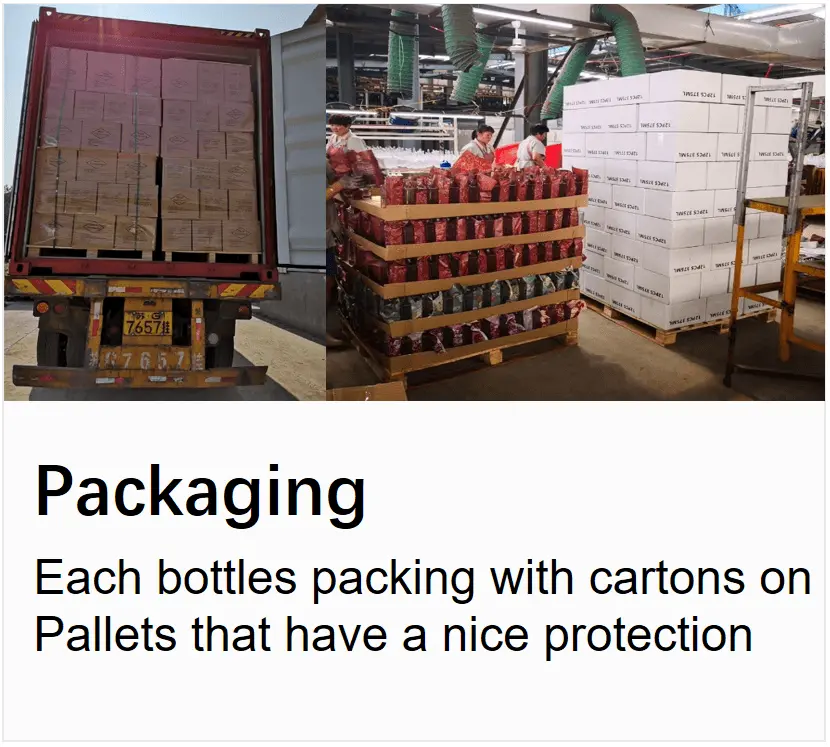
For international bulk shipping, we use heavy-duty pallet systems with cardboard dividers, interlayer sheets, and stretch wrap. For direct-to-retail or lower volumes, we use double-wall corrugated cartons with internal partitions. Every packaging method is drop-tested to keep damage rates below 0.5% during long-distance ocean shipping.
Standard design models in stock ship within 10 to 15 days. For custom projects, the mold development process takes 20 to 25 days, followed by 25 to 30 days for mass production. Shipping transit times vary by destination, typically taking 15 to 25 days to the West Coast of North America and 25 to 35 days to European ports.
For standard bottles in stock, the MOQ is 10,000 units. For custom structures requiring dedicated machine configurations and raw material scheduling, the MOQ is 20,000 to 30,000 units, depending on weight and volume. This helps optimize factory efficiency and keep per-unit costs down.
Yes, we provide post-processing services, including frosting, silk-screen printing, hot foil stamping, decaling, high-temperature painting, and electroplating. Applying these finishes at our factory reduces intermediate logistics costs and minimizes handling damage before final packaging.
 QLT Glass