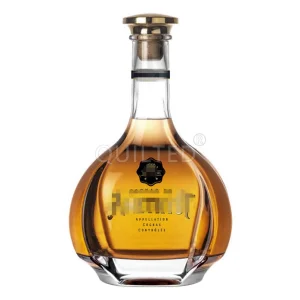
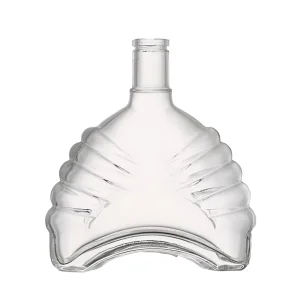
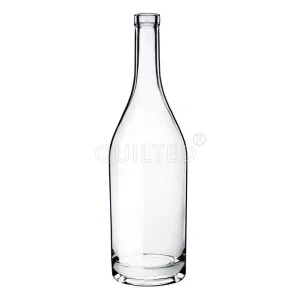
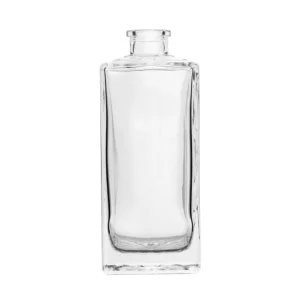
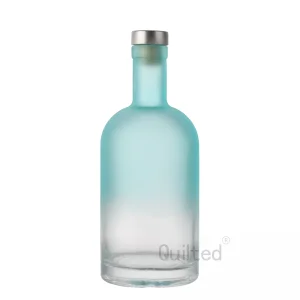
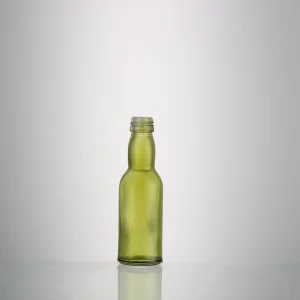
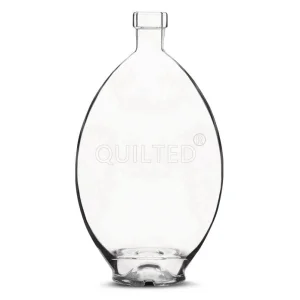
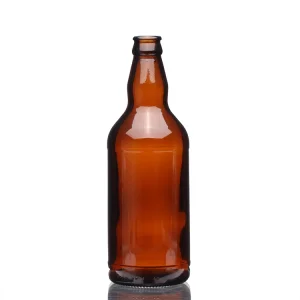
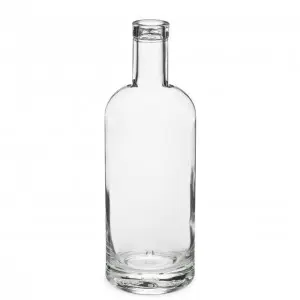
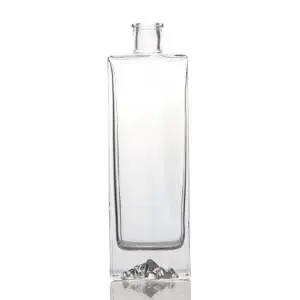
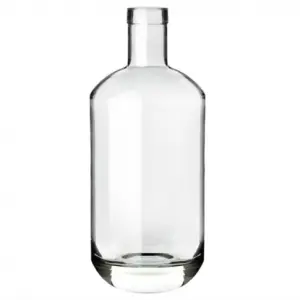
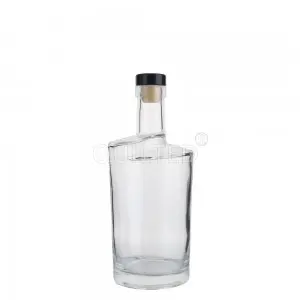
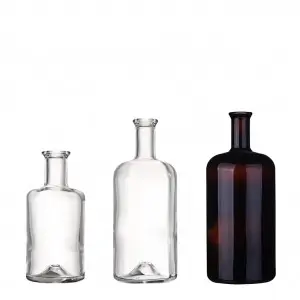
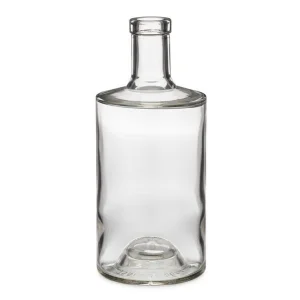
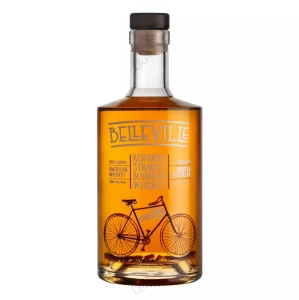
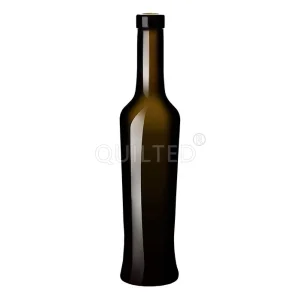
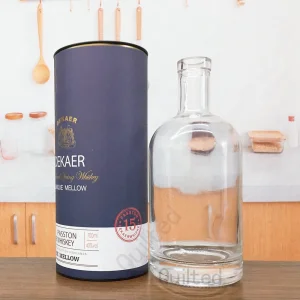
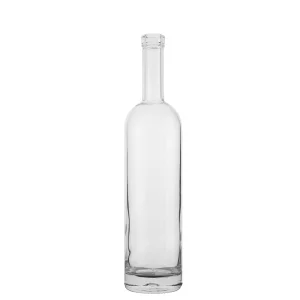
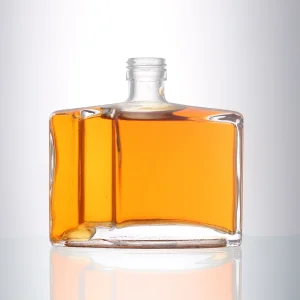
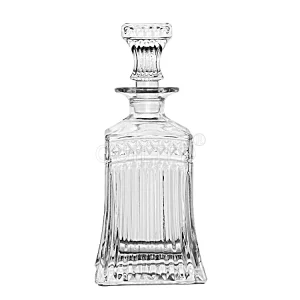
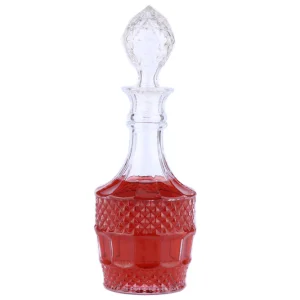
Explore our trending inventory of design-forward glass bottles crafted for spirits, wine, and specialty liqueurs.
In the global wine and spirits distribution network, the standard 750ml glass bottle has historically reigned supreme. However, structural shifts in demographics, consumption dynamics, and premiumization are driving unprecedented demand for alternative packaging formats. Specifically, the 500ml glass wine bottle has emerged as a strategic sweet spot. It sits perfectly between the standard 750ml size and the smaller 375ml half-bottle format, capturing consumer groups seeking moderate indulgence, premium product experiences, and optimal fresh preservation.
For wholesale purchasers, global distributors, and wine producers, transitioning to or incorporating a 500ml glass program represents a strategic value proposition. From an shipping efficiency perspective, it balances volume payload with glass-to-liquid weight ratios, yielding improved unit economics under modern cargo constraints. Over the past five years, the market share of 500ml formats in sweet dessert wines, premium fortified blends, organic biodynamic varietals, and craft ready-to-drink (RTD) alcoholic beverages has escalated exponentially. Global importers are actively seeking robust partnerships with high-capacity glass container factories in China to fulfill this surging sourcing demand.
Modern consumers are drinking less by volume but selecting higher-tier liquids—a macro trend known as premiumization. The 500ml bottle aligns perfectly with this paradigm:
As a leading Chinese glass bottle manufacturer, our state-of-the-art facilities offer clear structural advantages over Western producers. The competitive edge is rooted in integrated supply chain management, advanced thermal engineering, automated inspection, and rapid tooling creation.
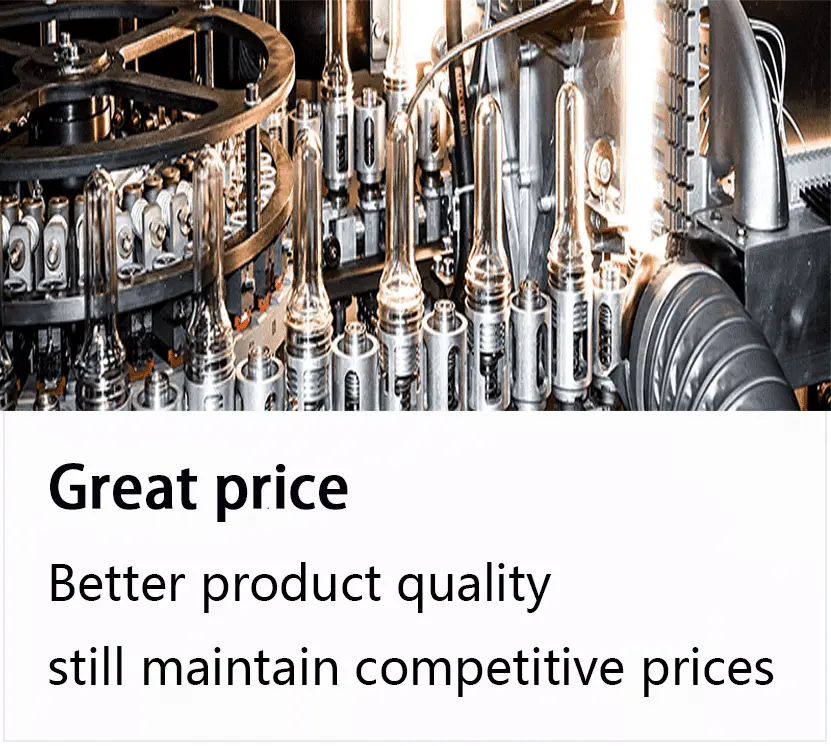
The manufacturing process in our advanced facilities utilizes highly precise batching systems that blend high-grade silica sand, soda ash, limestone, and cullet (recycled glass) to produce exceptionally clear flint glass. Our furnaces feature automated temperature profiles ensuring stable viscosity, which minimizes micro-bubbles and surface stress points. Using Individual Section (IS) forming machines, we produce both blow-and-blow and narrow-neck press-and-blow (NNPB) containers to maximize wall consistency and optimize bottle weight.
When sourcing 500ml bottles, professional buyers must evaluate precise physical tolerances to ensure seamless integration with high-speed automated bottling lines. The standard parameters of our 500ml bottle range include:
Discover how our self-owned glass plant and dedicated design studio bridge the gap between creative design and high-volume delivery.

Understanding user intent means matching specific bottle shapes and glass hues to the correct beverage types and geographic preferences. Different regions leverage the 500ml footprint differently, depending on regional regulations, cultural drinking patterns, and tax brackets.
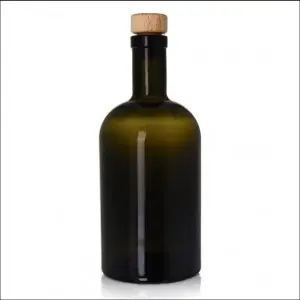
In classical European markets (such as France, Spain, Portugal, and Italy), the 500ml antique green or extra-flint Bordeaux shape is highly favored for late-harvest sweet wines, Sauternes, Eisweins, and fortified wines. Because these wines are richer, higher in sugar and alcohol, a 500ml bottle is deemed the premium standard for fine restaurants and private collectors alike.
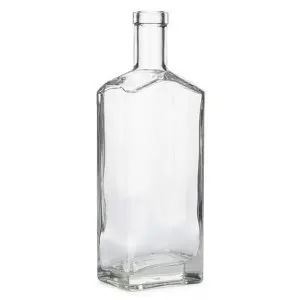
In the United States and Canada, craft distillers are turning to 500ml heavy-base flat and square flint bottles for small-batch whiskeys, botanical gins, and premium RTD cocktails. The size offers a distinct visual profile on crowded retail shelves and caters to consumers who wish to explore unique craft flavors without committing to a full 750ml container.
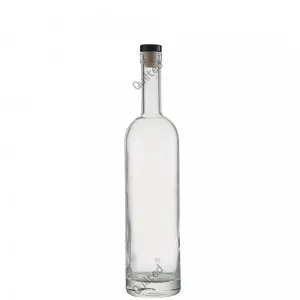
The premiumization of Asian traditional beverages has driven massive interest in custom 500ml round cylindrical glass bottles with clean screw closures or decorative wooden corks. Japanese and Chinese producers utilize extra-flint heavy glass with custom decals or frostings to signal luxury and attract younger demographics.
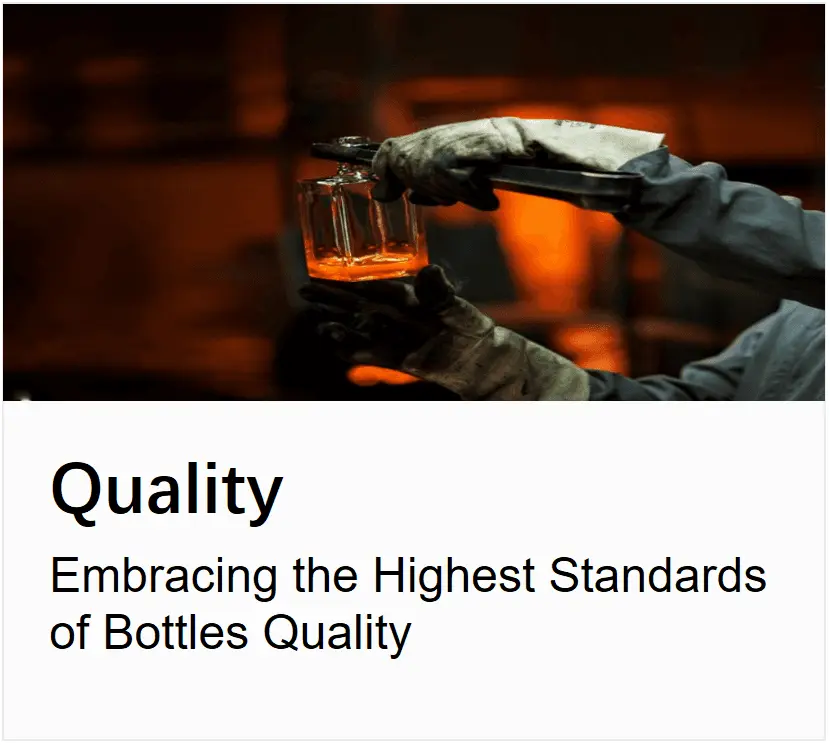
Global procurement teams looking to secure containers from Chinese glass factories must establish clear quality control protocols. Under Google’s Search Quality Rater Guidelines, we believe in providing absolute transparency regarding quality parameters. Our quality inspection routine encompasses several testing pillars:
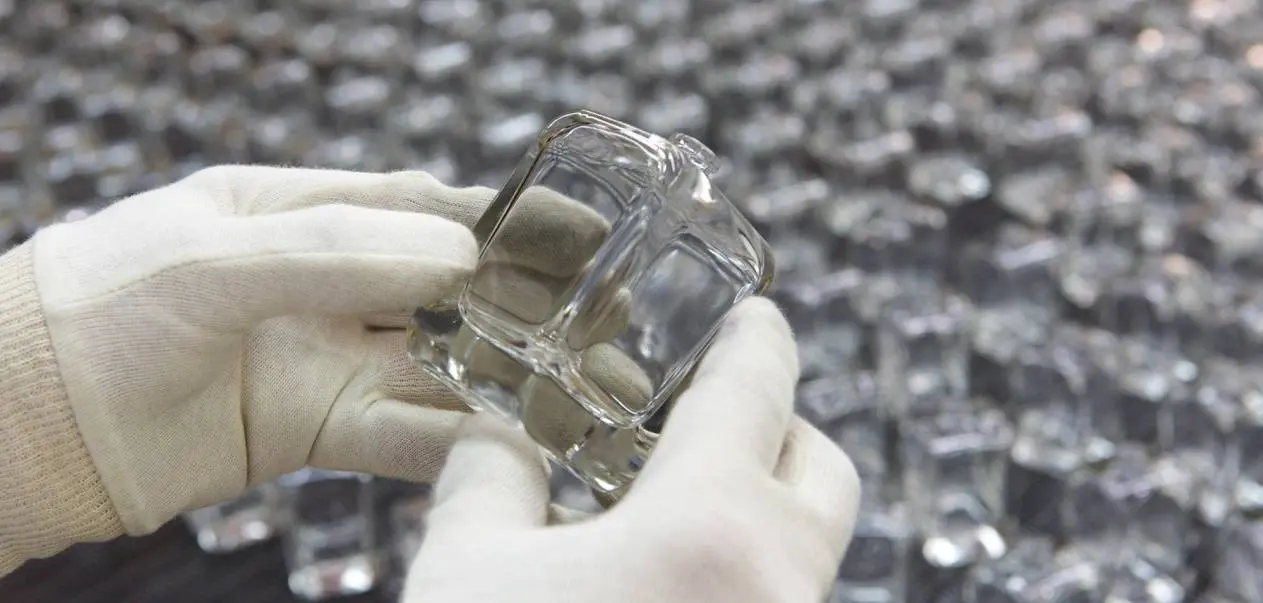
As a leading Chinese glass bottle manufacturer, we take pride in our ability to produce premium glass bottles from start to finish. Our integrated processes encompass raw material crushing and mixing, precise batching, melting, shaping, and meticulous annealing, ensuring top-notch quality at every step.
Over the years, we have scaled our production capacity to meet the demands of global beverage brands, offering bespoke glass containers, customizable bottle colors (extra flint, antique green, amber, cobalt blue), and specialized surface treatments like frosting, screen printing, hot stamping, and electroplating.
In Stock, On Time: QLT Glass, Your Swift Solution for Premium Packaging. Ready to Ship Excellence!
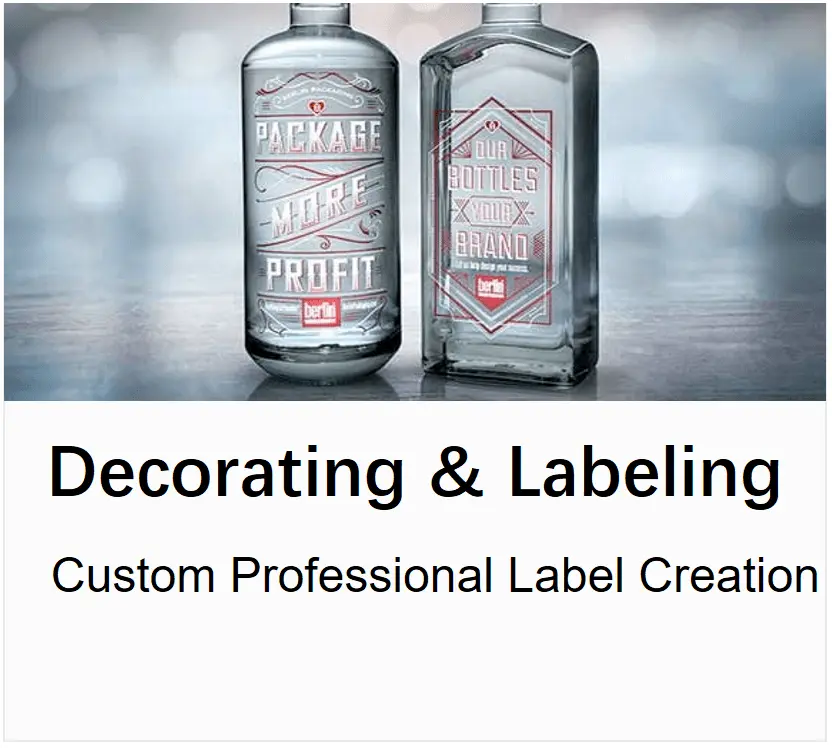
A wine packaging solution is not complete without brand identity. Our factories offer premium decorating methodologies designed to elevate the aesthetic quality of custom 500ml structures. When ordering from us, brands can specify combinations of visual finishes:
Using ultra-durable inorganic inks baked at elevated temperatures (above 580°C), we apply screen-printed typography directly onto the glass. This method ensures scratch, chemical, and moisture resistance, making it superior to traditional paper labeling for ice-bucket immersion.
For high-end spirits, dessert wines, and botanical liqueurs, acid etching gives the glass surface a translucent, satin-like finish. This blocks a portion of ambient UV light, providing moderate protection for delicate liquids while creating an upscale tactile feel.
For ultra-premium releases, we apply gold, silver, or bronze electroplating. Combined with relief embossing integrated into the cast iron molds, this creates a high-fidelity 3D structural signature that is nearly impossible for counterfeiters to replicate.
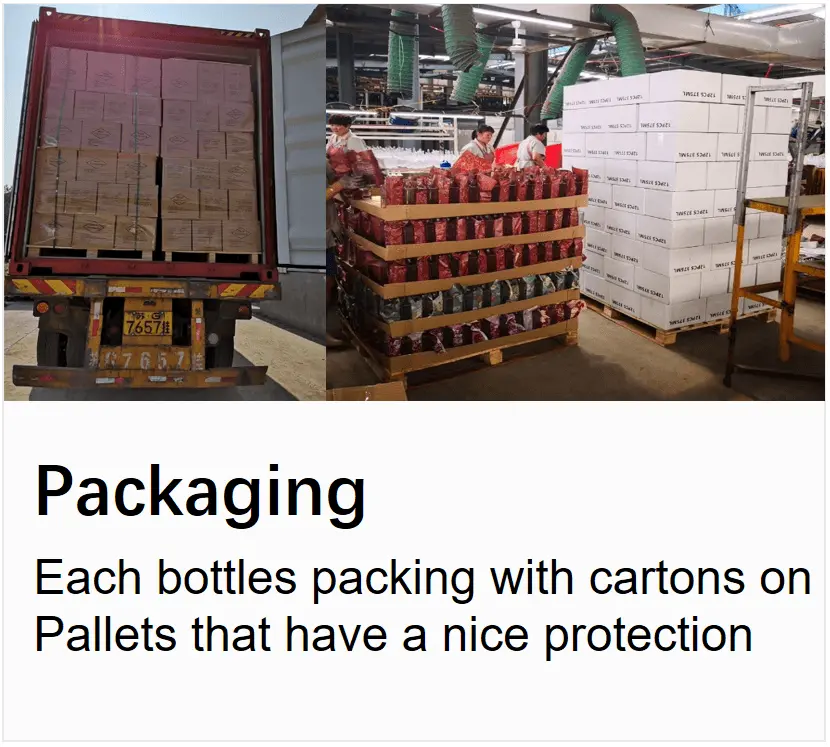
Glass is inherently fragile. Minimizing breakage rate during ocean freight, customs clearance, and domestic distribution is critical. Our shipping configurations incorporate multi-layer corrugated cardboard boxes, internal structural partitions, and heavy-duty shrink-wrapped pallets.
By using custom load simulation software, we maximize pallet configurations for both standard and high-cube shipping containers, ensuring optimal payload volume while minimizing movement inside the container. This meticulous logistics preparation routinely holds shipping damage metrics below 0.2%, far below the typical industry average of 1.5%.
Discover our high-precision product portfolio, balancing robust wall thickness with outstanding clarity.
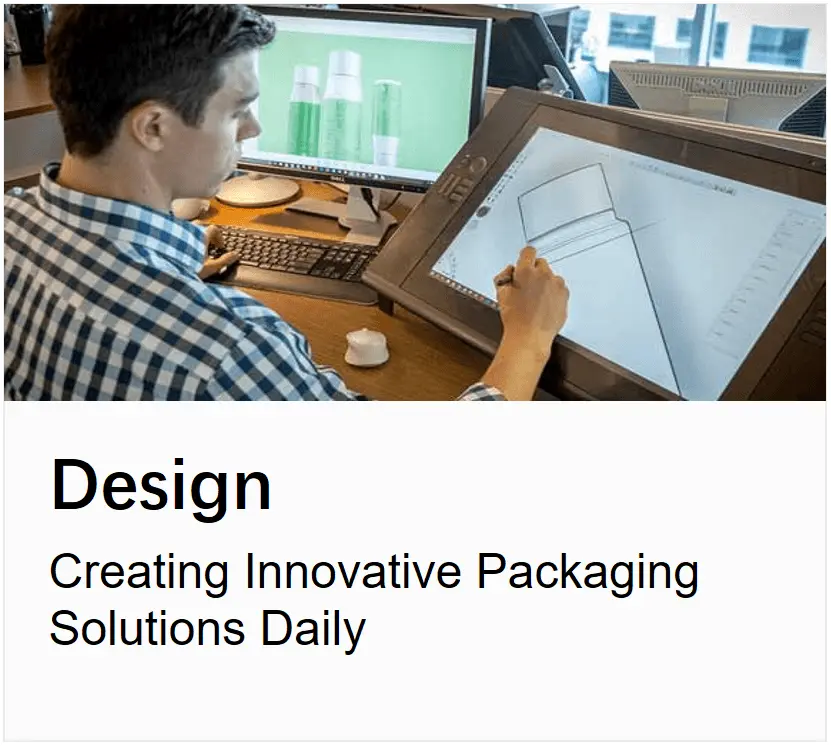
Technical guidance and commercial clarity from our senior engineering and export management teams.
 QLT Glass