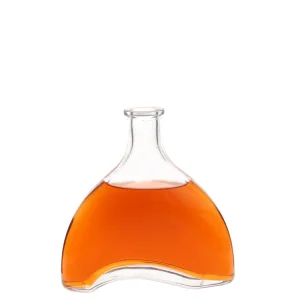
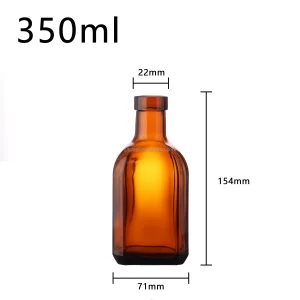
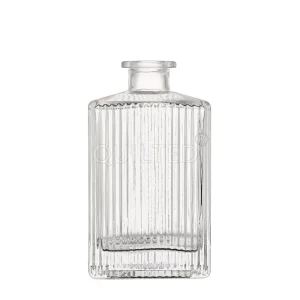
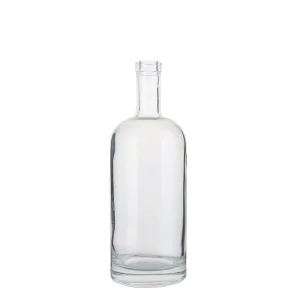
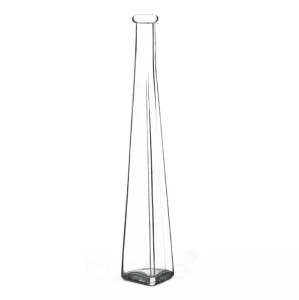
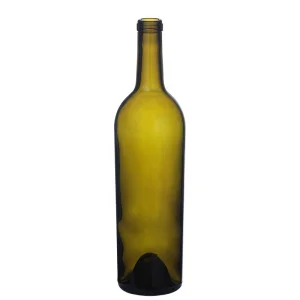
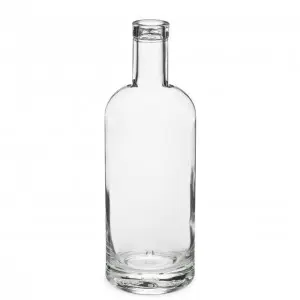
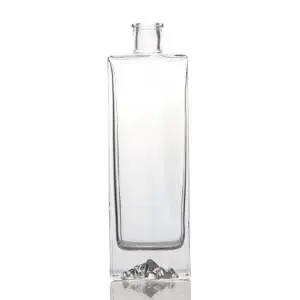
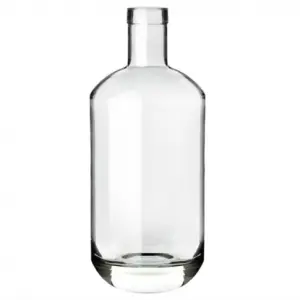
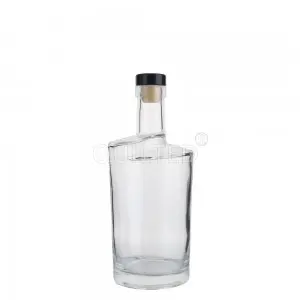
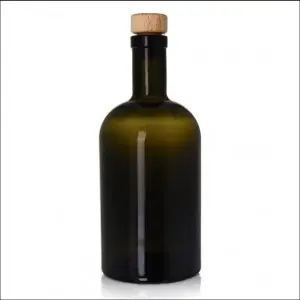
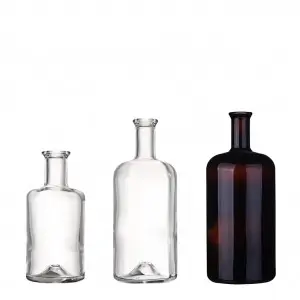
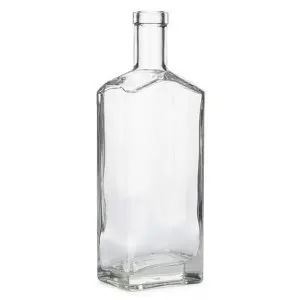
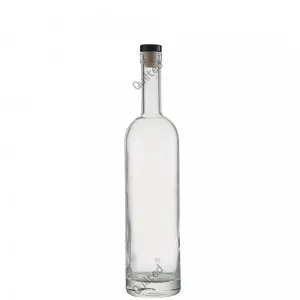
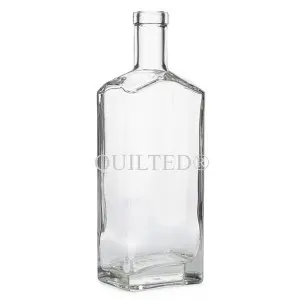
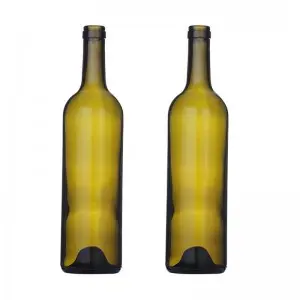
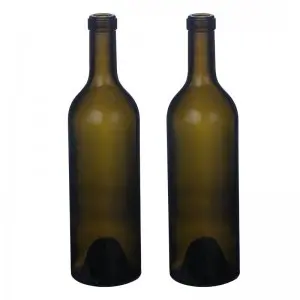
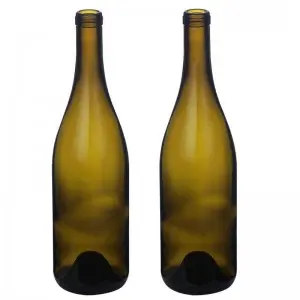
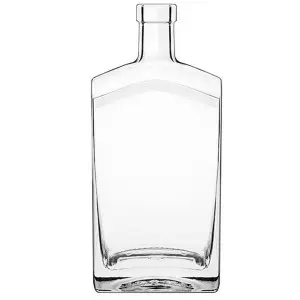
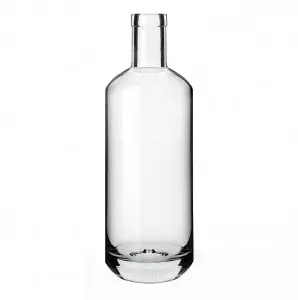
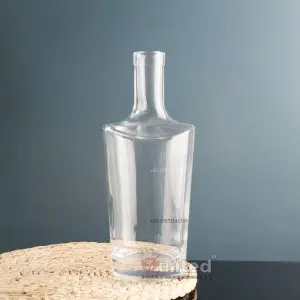
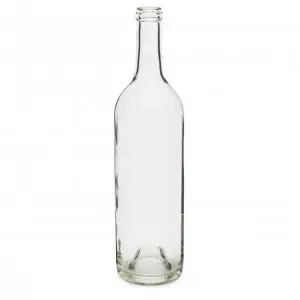
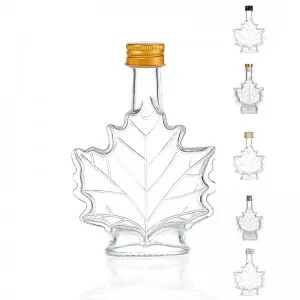
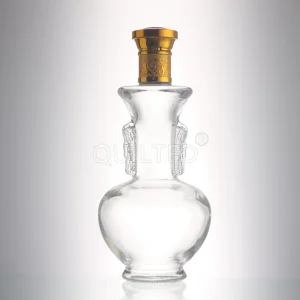
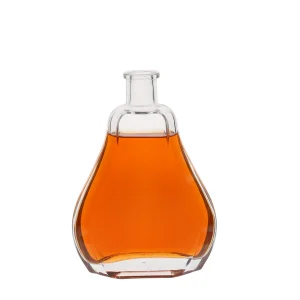
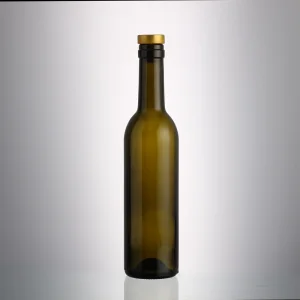
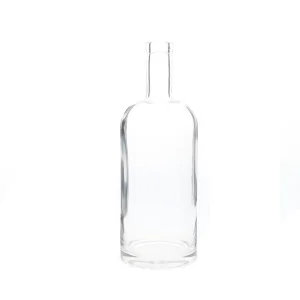
Explore our premier selection of precision-engineered glass bottles, tailored for premium spirits, luxury wines, and bespoke brand identities.
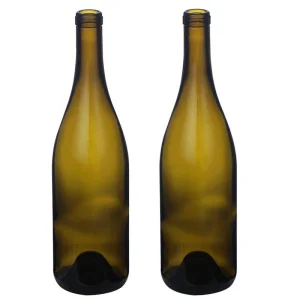
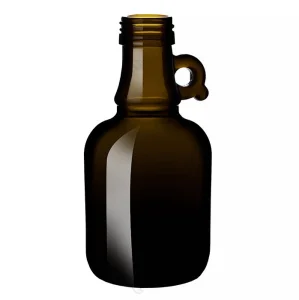
In the competitive landscape of international wines, spirits, and luxury beverages, glass packaging is not merely a containment vessel—it is a critical driver of brand equity, perceived value, and chemical preservation. As global consumers increasingly lean toward premiumization, demand for high-clarity crystal glass wine bottles and extra-flint containers has reached unprecedented heights. Industry research indicates that the global luxury glass packaging market is projected to expand at a compound annual growth rate (CAGR) exceeding 5.8%, driven largely by high-end distillers and estate wineries seeking distinctive shelf presence.
Historically, standard wine bottles relied on traditional soda-lime formulations, which often exhibit a distinct greenish or yellowish tint due to trace iron oxide contaminants ($\text{Fe}_2\text{O}_3$). While acceptable for everyday table wines or dark amber/green UV protection, super-premium spirits (such as single malt whiskies, boutique gins, aged XO cognacs, and reserve spirits) demand zero chromatic distortion. This necessity led to the industrial development of Extra-Flint Glass and Heavy-Base Lead-Free Crystal Glass. By refining raw material inputs—using high-purity silica sand with iron content under 0.015% and balancing optical clarifiers—manufacturers achieve a refractive index ($n \approx 1.52 - 1.55$) that mimics fine crystalware while maintaining rigorous food-grade safety standards (FDA 21 CFR and EU Regulation No 1935/2004).
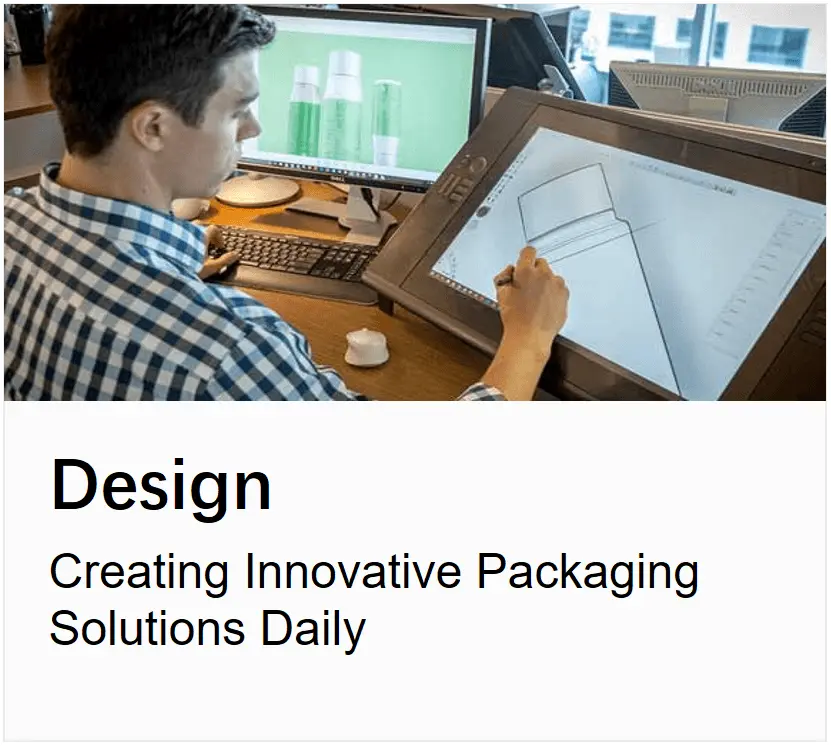
From conceptual CAD modeling and fast-track sampling to automated mass furnace runs and global freight execution.

Our premier custom bottle manufacturing service, supported by an optimized supply chain, seamlessly transforms your creative concepts into stunning, structurally sound packaging solutions. We utilize 3D parametric rendering and finite element analysis (FEA) to ensure structural durability before cutting steel molds.

Crafting custom glass packaging solutions within our state-of-the-art bottling facility enables us to drive down unit production costs while ensuring swift delivery of top-notch finished goods. Operating automated IS (Individual Section) machines, we guarantee micron-level neck finish precision and flawless wall distribution.

Avail yourself of our complimentary glass bottle samples, aiding you in solidifying your procurement decisions before investing in bulk production. Test cork fitment, label adhesion, tactile weight, and liquid optics firsthand with zero financial risk.
Understanding the chemical composition and mechanical properties of premium glass categories ensures optimal container selection for your specific beverage matrix.
| Chemical / Physical Attribute | Standard Soda-Lime Glass | Extra-Flint Glass (High Clarity) | Lead-Free Crystal Glass (Super-Flint) |
|---|---|---|---|
| Iron Oxide ($\text{Fe}_2\text{O}_3$) Content | 0.05% - 0.12% (Visible Green Tint) | < 0.02% (Ultra Clear) | < 0.008% (Prismatic Pure Clarity) |
| Refractive Index ($n$) | 1.50 - 1.51 | 1.52 - 1.54 | 1.54 - 1.58 (High Brilliance) |
| Density ($\text{g/cm}^3$) | 2.45 - 2.50 | 2.52 - 2.58 | 2.65 - 2.80 (Heavy Premium Feel) |
| Thermal Shock Resistance ($\Delta T$) | $\ge 35^\circ\text{C}$ | $\ge 42^\circ\text{C}$ | $\ge 50^\circ\text{C}$ |
| Hydrostatic Pressure Rating | 1.2 - 1.4 MPa | 1.6 - 1.8 MPa | > 2.0 MPa (Ideal for Carbonated/Sparkling) |
| Primary Target Application | Standard Wine, Beer, Soft Drinks | Premium Wine, Spirits, Gin, Rum | XO Brandy, Limited Edition Whiskey, Decanters |
The durability of a wholesale wine or liquor bottle depends heavily on the annealing process. During high-speed formation, rapid surface cooling can introduce severe internal mechanical stress. Our facilities employ 45-meter automated continuous electric annealing lehrs. By controlling temperature decline across five precise thermal zones (reheating to $560^\circ\text{C}$ followed by gradual cooling), we reduce residual thermal stress to ASTM C148 Grade A limits. This prevents spontaneous breakage during high-speed bottling lines, cold-climate transport, and cork/crimp capping operations.
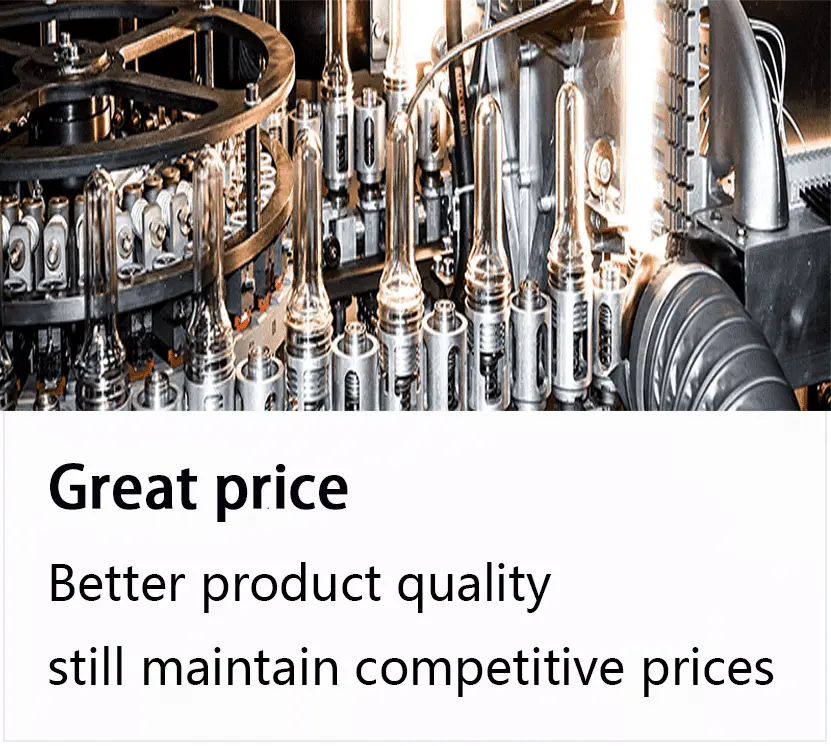
China’s glass manufacturing ecosystem has undergone a massive technological shift. Utilizing 8-section double-gob and triple-gob IS (Individual Section) automated machines, our factories achieve precise weight control (±2g tolerance) and uniform wall thickness. This high efficiency translates directly to lower per-unit costs for international buyers without sacrificing aesthetic purity.
Traditional European glass mold development can take between 8 to 12 weeks. Leveraging advanced 5-axis CNC machining, integrated CAD/CAM workflows, and localized alloy foundries, Chinese glass manufacturers produce high-grade cast iron or bronze custom molds in as few as 10 to 14 days. This speed dramatically reduces time-to-market for new beverage launches.
In Stock, On Time: QLT Glass, Your Swift Solution for Premium Packaging. Ready to Ship Excellence!
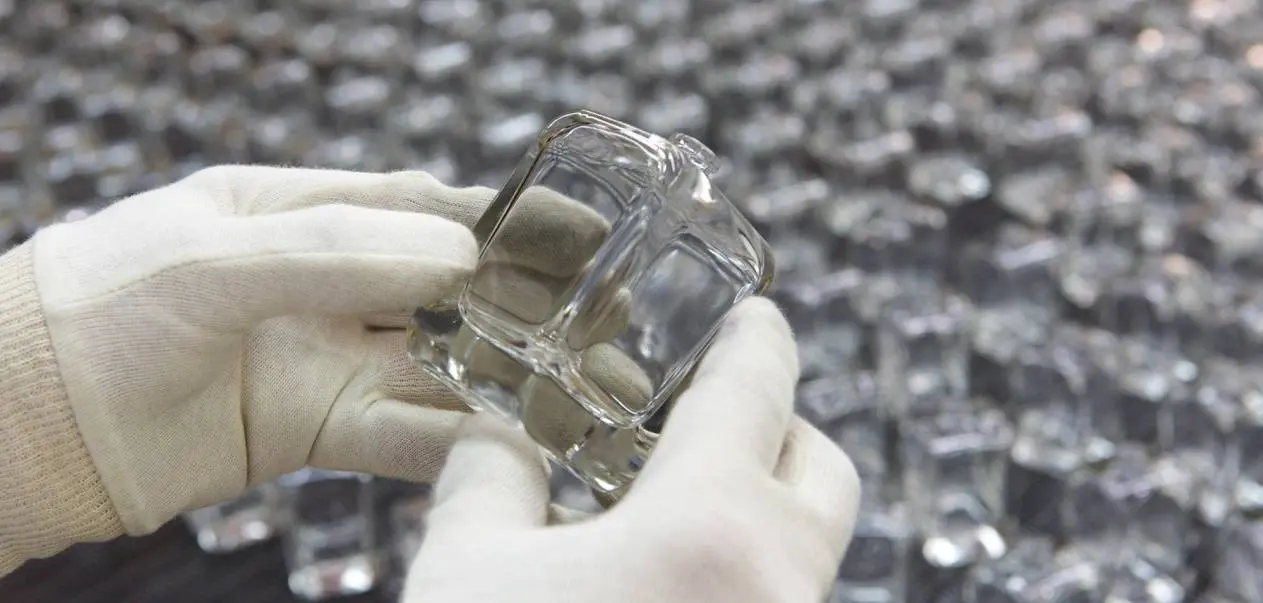
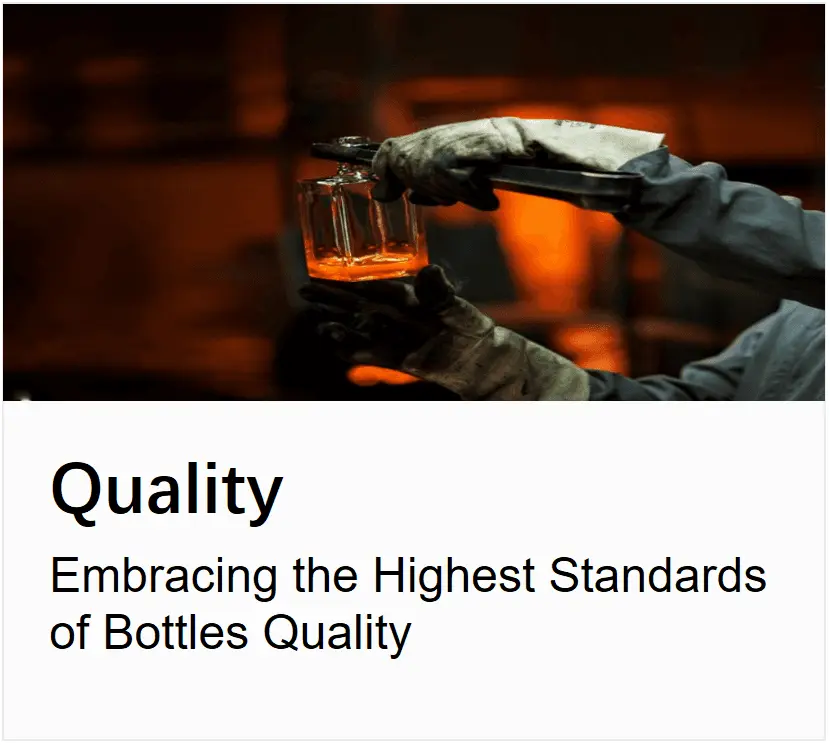
As a leading Chinese glass bottle manufacturer, we take pride in our ability to produce glass bottles from start to finish. Our integrated processes encompass raw material crushing and mixing, precise batching, melting, shaping, and meticulous annealing, ensuring top-notch quality at every step.
With decades of specialized experience in flint, extra-flint, and custom color glass formulation, our facility covers over 100,000 square meters of automated production space. We house continuous glass furnaces with daily melting capacities exceeding hundreds of tons, coupled with automated cold-end vision inspection cameras that scan 100% of bottle surfaces for micro-cracks, bubbles, dimension deviations, and structural flaws.
Read Full ProfileComprehensive packaging suites encompassing standard Bordeaux, Burgundy, Rhone, Champagne, and artisanal spirit profiles with custom closure compatibility.
In North America, craft distilleries favor heavy-base round (Nordic) and flat-shoulder bottles with wide mouth 21.5mm bar-top cork finishes. Conversely, European markets prioritize strict adherence to lightweighting standards (reducing bottle mass from 550g to under 420g for standard 750ml wines) to cut carbon emissions during transport while complying with EU packaging waste directives.
Modern glass suppliers are advancing eco-friendly crystal formulations. By integrating up to 40% clean, iron-separated post-consumer recycled (PCR) cullet back into extra-flint melting furnaces, energy consumption drops by roughly 2-3% for every 10% cullet added. This eco-advantage empowers global brands to satisfy ESG metrics without compromising visual brilliance.
Luxury wine and cognac producers increasingly implement custom 3D glass embossing, laser-etched QR matrix codes directly onto the punt or heel, and high-precision silk-screened metallic inks (24k real gold decal fusing at 580°C). These tactile features provide robust anti-counterfeiting security while reinforcing premium brand heritage.
Achieving a leak-proof seal requires absolute synergy between the bottle bore dimension and closure mechanism. Whether applying GPI 33-400 screw threads, Stelvin roll-on tamper-evident (ROTE) caps, synthetic T-top corks, or natural micro-agglomerated corks, precise internal bore neck gauges prevent oxidation and liquid seepage across long ocean freight cycles.
A systematic framework for international buyers to evaluate glass suppliers, manage quality tolerances, and minimize transit loss.
Prior to full-scale production, a 1-cavity sample mold is cut to produce 50–100 prototype bottles. Samples undergo dimensional verification, capacity testing, overflow volume checks, and thermal shock stress evaluation.
During high-speed forming, automated optoelectronic inspection systems measure neck height, bore inner diameter, vertical tilt (perpendicularity), body ovality, and wall thickness uniformity across 100% of production.
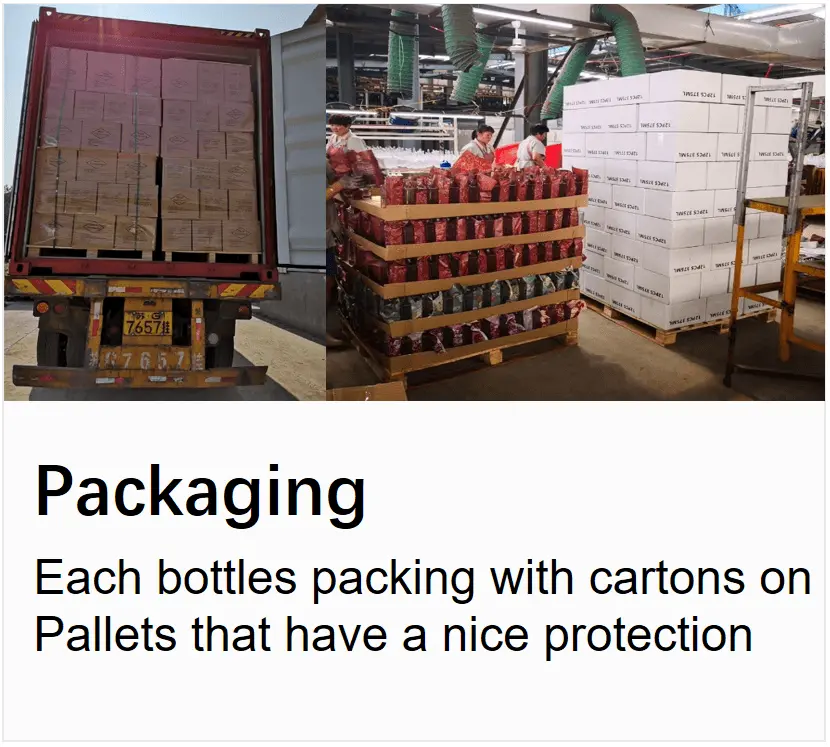
To withstand multi-week maritime voyages, bottles are packed on fumigated wooden or plastic pallets with tier sheets, shrink-wrapped with high-tension film, or placed into custom corrugated cartons with cell dividers.
Expert responses to common technical, commercial, and logistics queries for wholesale glass bottle buyers.
Standard flint glass uses conventional silica sand containing iron oxide levels around 0.05% to 0.08%, resulting in a subtle green-blue cast. Extra-Flint glass utilizes ultra-pure sand ($\text{Fe}_2\text{O}_3 < 0.015\%$) combined with decoloring agents (such as Selenium and Cobalt oxide) to achieve exceptional optical clarity, high light transmission (>99%), and superior refractive index without adding lead.
For standard stock bottles (such as classic 750ml Bordeaux or Burgundy shapes), the MOQ is typically 1 full 20ft or 40ft container (approx. 12,000 to 24,000 pieces depending on bottle weight). For custom mold developments, production runs usually start at 20,000 to 30,000 units to justify furnace transition setup and thermal stabilization.
Our neck finishes comply strictly with international GPI (Glass Packaging Institute) and DIN standards. We conduct automated internal bore gauge checks, plug gauge testing, and vacuum decay testing on filled samples to guarantee an airtight seal under varying atmospheric pressures during air and sea transport.
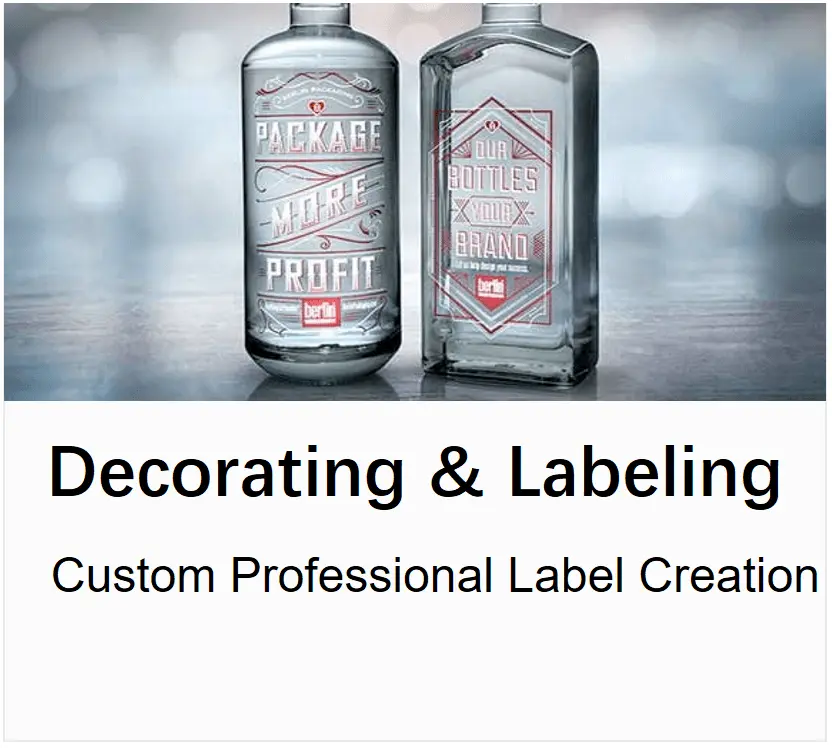
We offer comprehensive secondary processing, including screen printing with ceramic or organic inks, hot foil stamping (gold, silver, rose gold), acid etching (frosting), spray coating (gradient or opaque colors), laser engraving, and custom metal emblem application.
Initial 3D drawing approvals take 2–4 days. Sample mold creation and physical prototype production take 10–14 days. Upon sample sign-off, full production molds require 15 days, followed by mass manufacturing (15–20 days). Total timeline from initial concept to container loading is approximately 45 to 60 days.
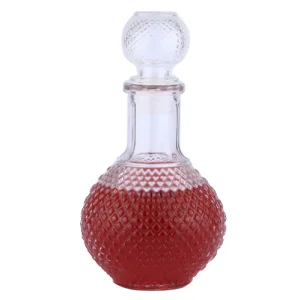
Discover additional specialty glass shapes, including round wine profiles, flat shoulder gin bottles, embossed spirits, and heavy-base decanters.
 QLT Glass