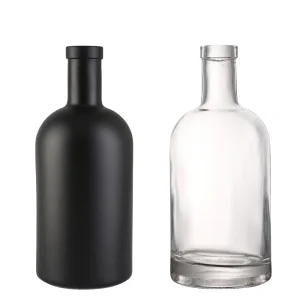
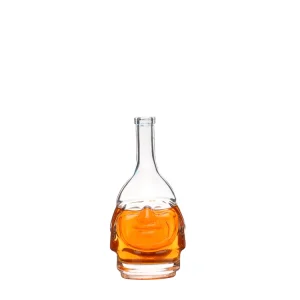
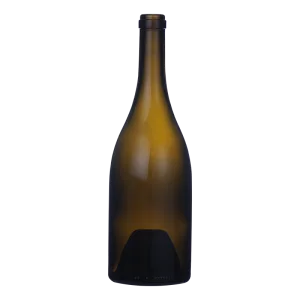
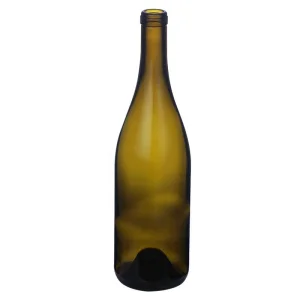
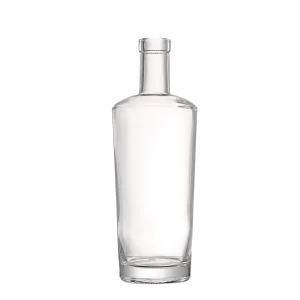
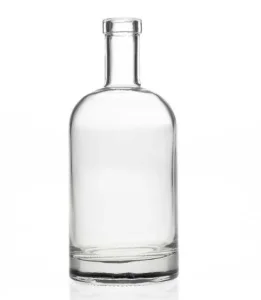
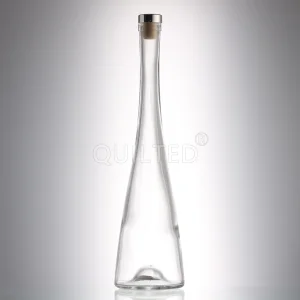
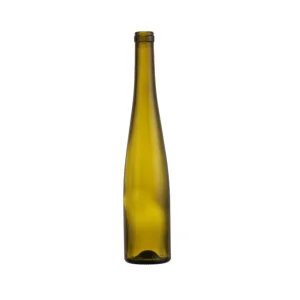
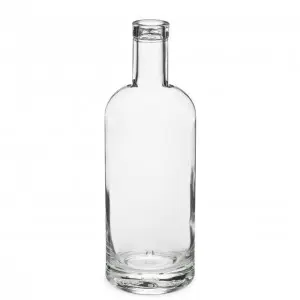
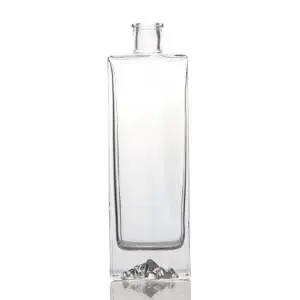
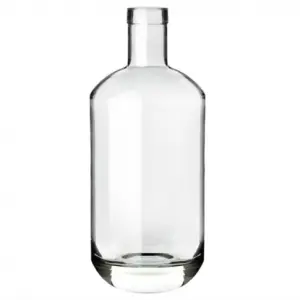
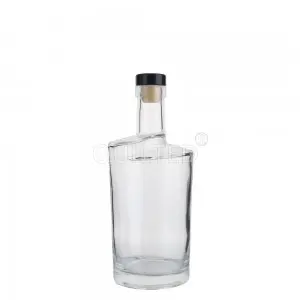
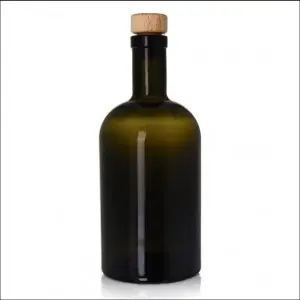
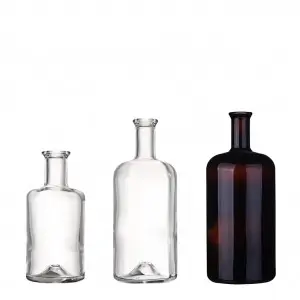
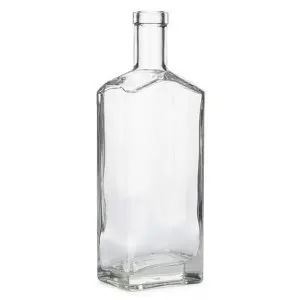
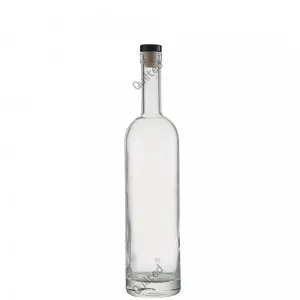
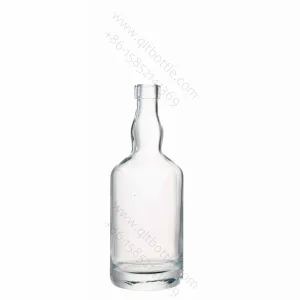
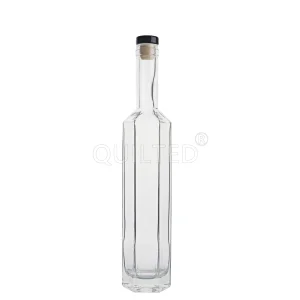
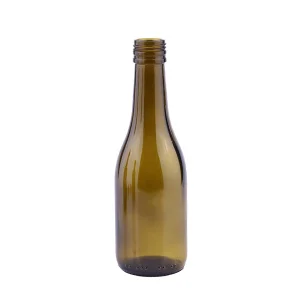
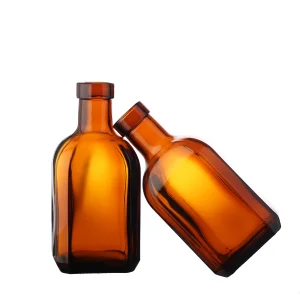
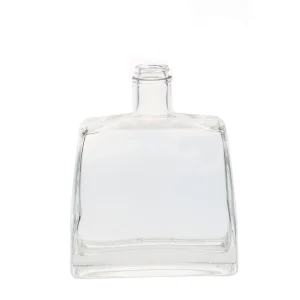
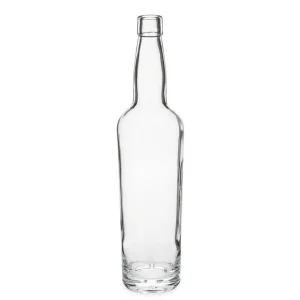
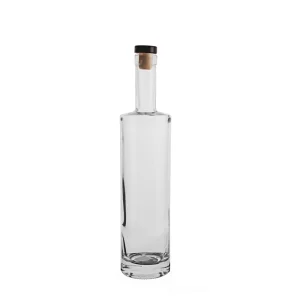
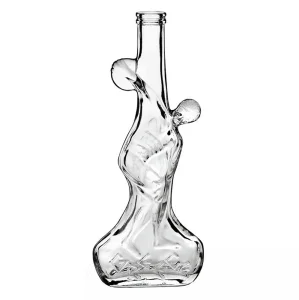
Precision-molded premium glass packaging tailored for distillers, wineries, and beverage merchants worldwide.
Providing world-class structural design, rapid prototyping, and end-to-end container production directly from our industrial furnace lines.

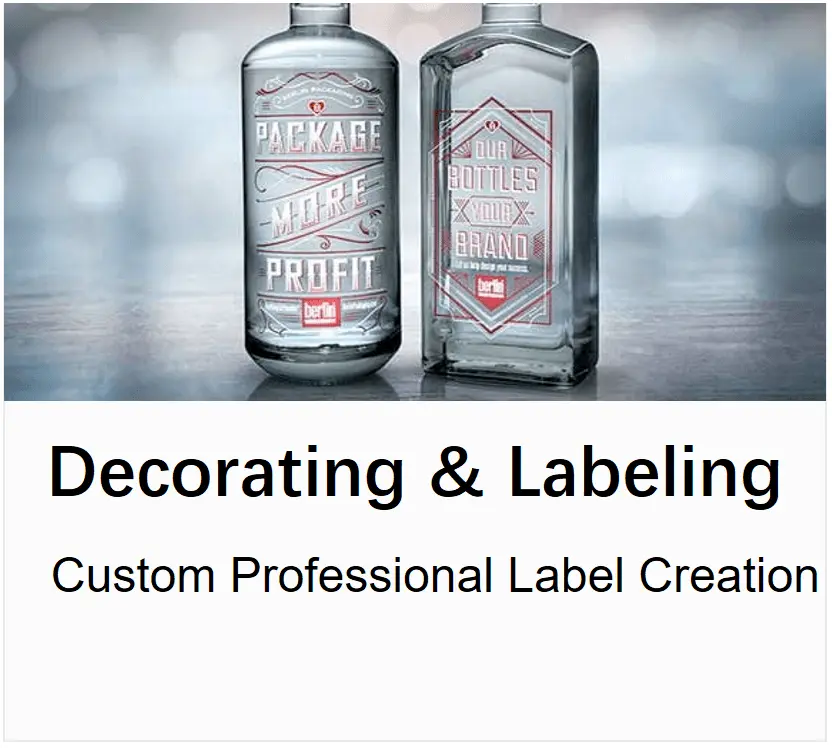
Our premier custom bottle manufacturing service, with an optimized supply chain, seamlessly transforms your concepts into stunning packaging solutions.

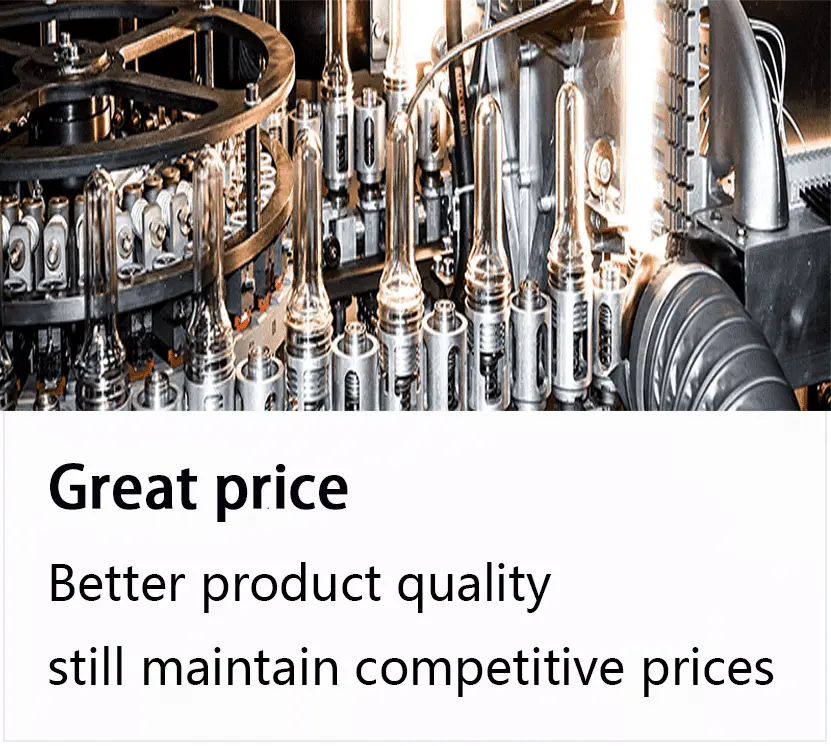
Crafting our custom glass packaging solutions within our state-of-the-art bottling facility enables us to drive down costs while ensuring swift delivery of top-notch finished goods.

Avail yourself of our complimentary glass bottle samples, aiding you in solidifying your decision to invest in our premium glass bottle selections, facilitating bulk purchases with confidence.
An industrial guide on material composition, chemical resilience, and degradation prevention for bulk procurement.
When evaluating global wine bottle material manufacturers, the choice of raw glass formulation stands as the most critical factor influencing product longevity, UV barrier capacity, and structural integrity. Premium wine containers are constructed from soda-lime-silica glass, formulated using specific ratios of silica (SiO2), sodium carbonate (soda ash - Na2CO3), calcium carbonate (limestone - CaCO3), and structural stabilizers like alumina (Al2O3). The composition determines not only the physical strength of the bottle but also its chemical durability and inertness, preventing any organoleptic migration into the wine.
| Glass Material Type | Composition Characteristics | UV Light Protection | Typical Applications |
|---|---|---|---|
| Extra Flint Glass | Purest Silica Sand, low iron oxide content (<0.015% Fe2O3) | Low (<10% filtration) | Ultra-premium clear spirits, high-end liqueurs, rosés |
| Antique Green Glass | High iron and chromium oxide content | High (>90% filtration of UV rays) | Red Bordeaux, Burgundy, and age-worthy vintage varietals |
| Amber/Brown Glass | Sulfur-carbon additives under reducing conditions | Maximum (>98% light barrier) | Light-sensitive wines, specific fortified spirits, beers |
| Dead Leaf Green | Doped with manganese, iron, and chromium | Medium-High (>75% barrier) | Chardonnay, White Burgundy, sparkling wines |
Structural integrity is heavily determined by the bottle's mechanical dimensions. Modern manufacturing utilizes finite element analysis (FEA) to evaluate stress points during distribution and bottling. Major structural characteristics include:
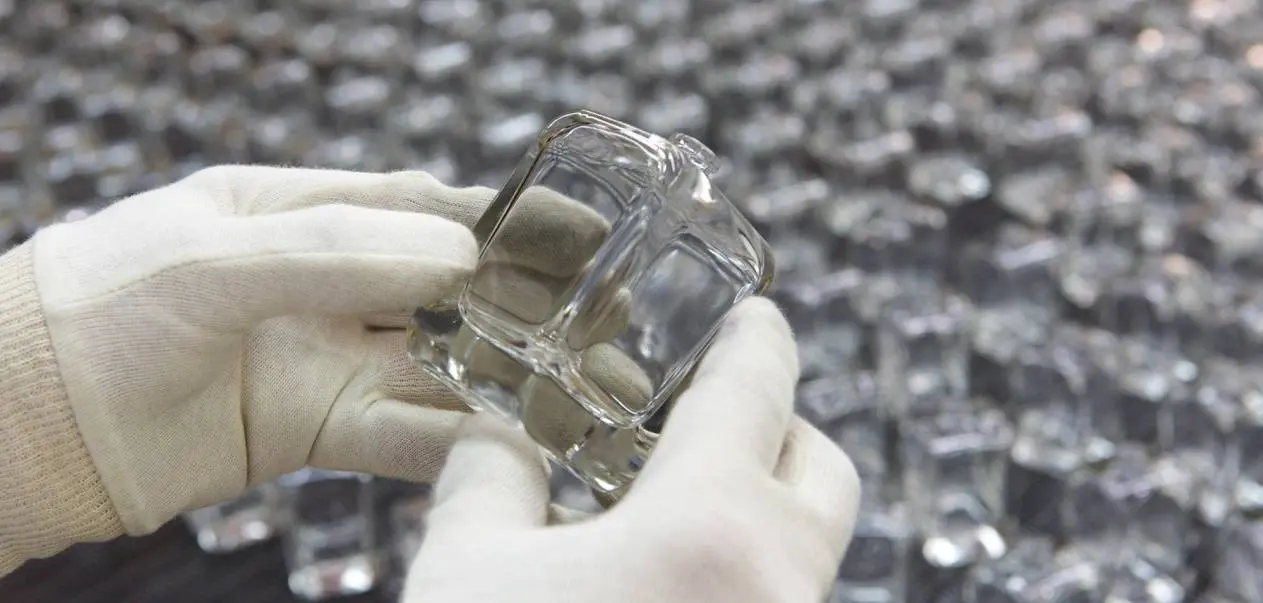
As a leading Chinese glass bottle manufacturer, we take pride in our ability to produce glass bottles from start to finish. Our integrated processes encompass raw material crushing and mixing, precise batching, melting, shaping, and meticulous annealing, ensuring top-notch quality at every step.
Operating multiple high-efficiency regenerative furnaces with daily outputs exceeding hundreds of tons, we deploy automated IS (Individual Section) blow-and-blow and press-and-blow machinery. This mechanical agility allows us to satisfy high-volume requirements while retaining high precision with narrow neck press-and-blow (NNPB) technologies to minimize weight without compromising container wall thickness.
Explore Full CatalogHow domestic raw material access, advanced automation, and geographic proximity drive B2B sourcing efficiency.
China stands as the global epicentre for glass manufacturing, offering unparalleled structural cost benefits that benefit international brands. Strategic localization in rich raw material corridors grants us direct access to high-purity silica sand mines and local chemical processing resources. This localized raw material integration reduces inland freight expenses, which typically account for a significant portion of manufacturing costs.
By operating multiple furnaces concurrently, we execute continuous production runs. This continuous operation minimizes thermal cycling cost overheads and allows for lower pricing models on high-volume wholesale orders.
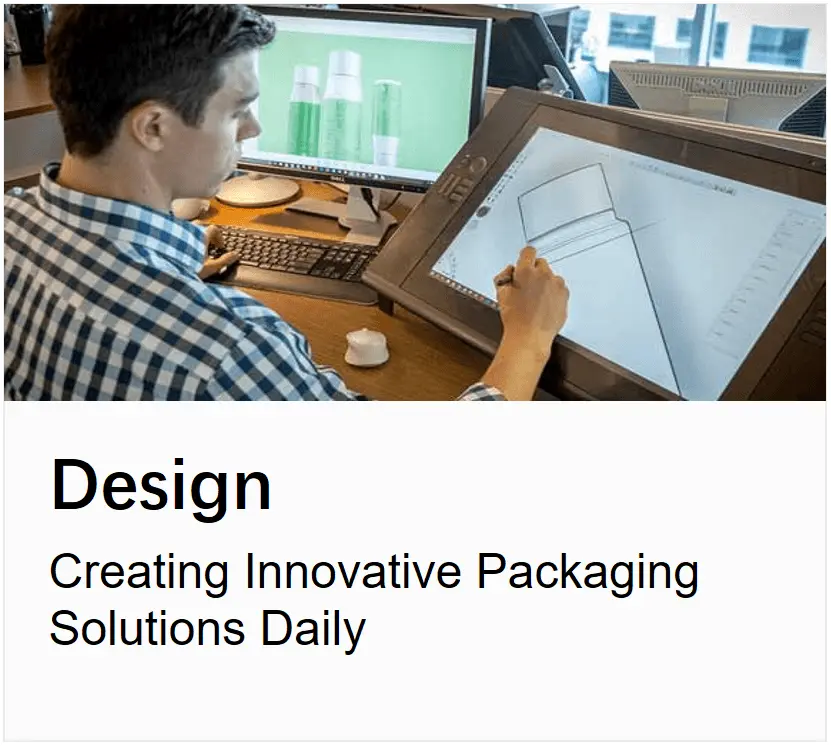
Our CNC-milled cast iron and alloy steel bottle molds allow for rapid prototyping. Customers can transition from digital CAD files to physical glassware within weeks, rather than months.
Our facilities are strategically positioned near major maritime shipping hubs (Qingdao, Shanghai, and Ningbo), enabling direct container loading, minimizing breakage risks, and reducing transit transit time.
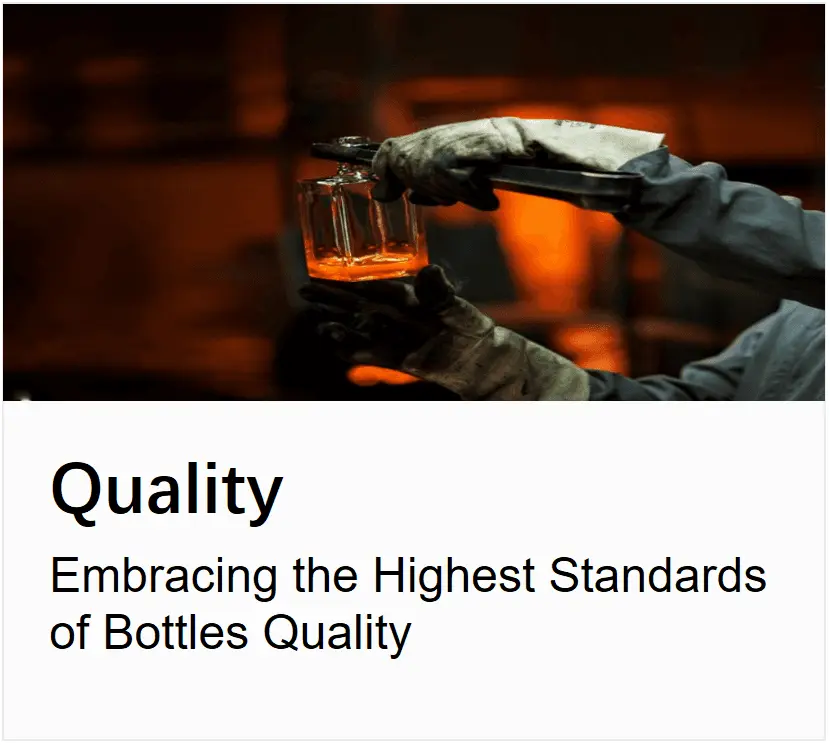
In addition, the integration of automatic optical inspection (AOI) lines ensures consistency. Automated camera systems analyze every glass container immediately after the annealing lehr stage. These machines detect defects—such as stones, seeds, bird-swings, check fractures, and wall thickness variances below 1.2mm—rejecting them automatically for re-melting as cullet. This rigorous process achieves a defect tolerance of under 0.05% for global distribution.
Explore our diverse portfolio of custom-molded antique green claret, burgundy, flint nordic flasks, and structural decanters.
Meeting FDA, EU, and local environmental standards while driving down shipping losses and carbon footprints.
Managing international glass imports requires adhering to strict regulatory protocols. From European food contact standards (Regulation EC No 1935/2004) to the US Food and Drug Administration (FDA) regulatory guidelines, glass materials must be verified lead-free, cadmium-free, and heavy-metal compliant. Every container batch we ship undergoes strict food-grade validation.
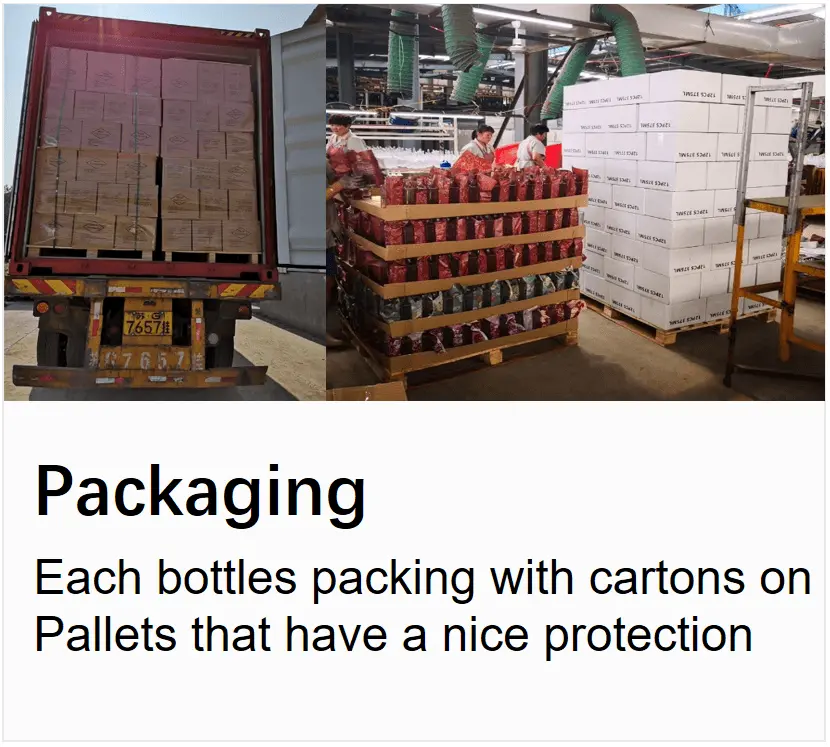
To streamline regional logistics, we offer tailored localization support. We collaborate with international third-party warehousing nodes to facilitate local customs clearance, storage, and just-in-time delivery. Furthermore, modern bulk glass shipping requires meticulous load distribution. By optimizing container layouts with robust palletizing, thermal plastic shrink wrap, and humidity control materials, we keep breakage rates below 0.2%.
| Target Region | Compliance Standards Required | Logistics Packing Customization |
|---|---|---|
| United States & Canada | FDA Title 21 CFR, heavy metal limits (TPCH), CA Prop 65 | Punt-up stacking, heavy double-wall master cartons, standard wood pallets |
| European Union | EU directive 94/62/EC (heavy metals < 100ppm), REACH | EPAL standardized pallets, thermofitted slip sheets, anti-humidity layers |
| Australia & New Zealand | AS 2070 (Plastic and food contact material equivalence) | ISPM 15 fumigated pallets, reinforced load strapping for long sea routes |
Industry Trends and Environmental Impact: The global glass industry is trending toward sustainability and decarbonization. Lightweighting technology stands at the forefront of this shift, enabling factories to reduce container weights by up to 30% while retaining structural thickness and high drop resistance. This weight reduction directly translates to a decrease in shipping fuel emissions. Moreover, we are continually increasing the ratio of recycled cullet in our glass formulations (up to 75% for green glass), which lowers furnace melting temperatures, saves energy, and reduces overall carbon output.
Frequently asked questions concerning mold tooling, glass formulations, custom tolerances, and order shipping.
Browse our selection of heavy-base whisky decanters, high-flint brandy bottles, and specialized spirit containers.
 QLT Glass