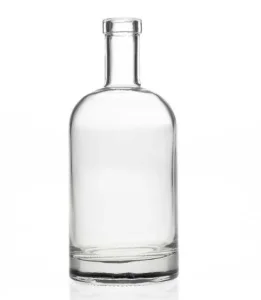
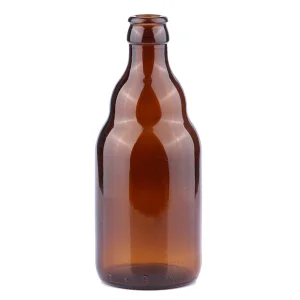
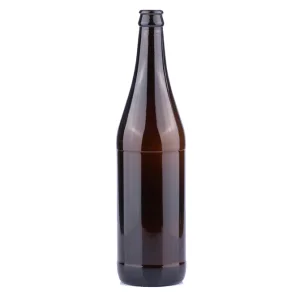
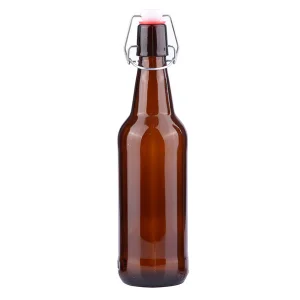
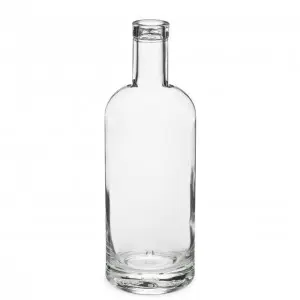
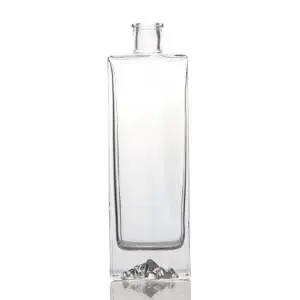
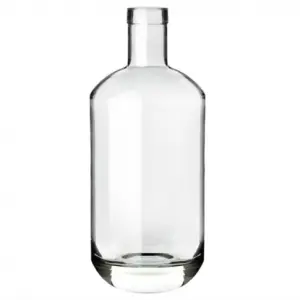
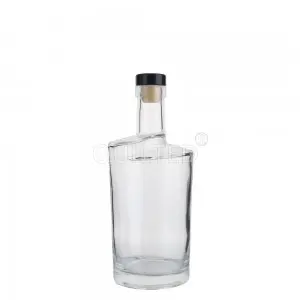
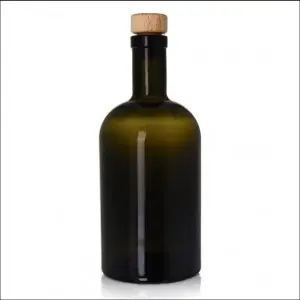
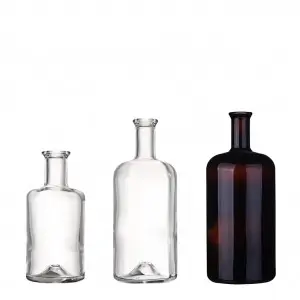
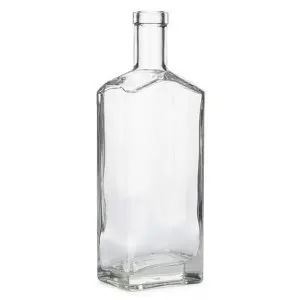
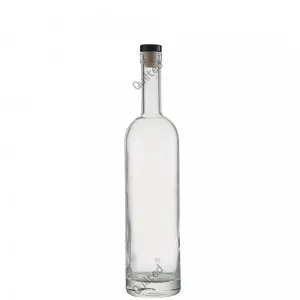
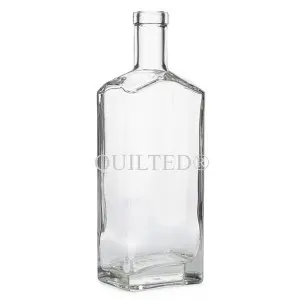
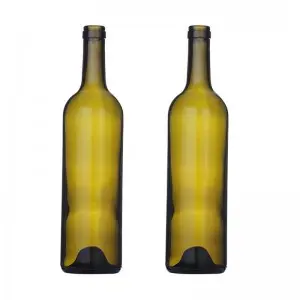
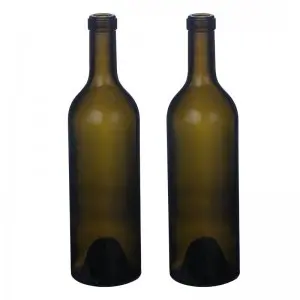
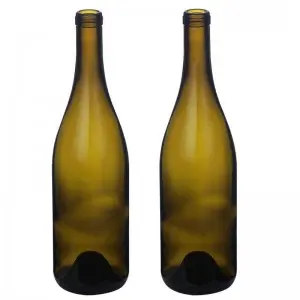
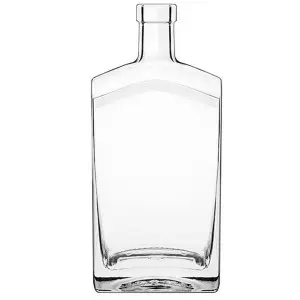
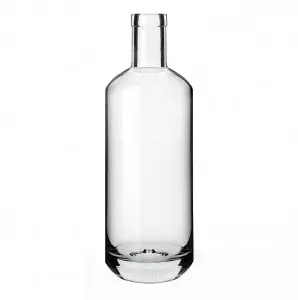
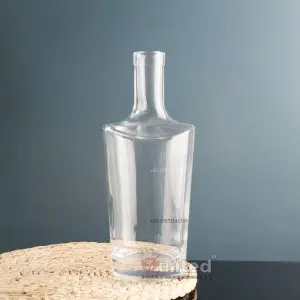
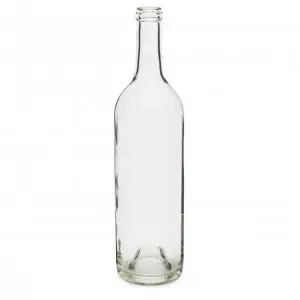
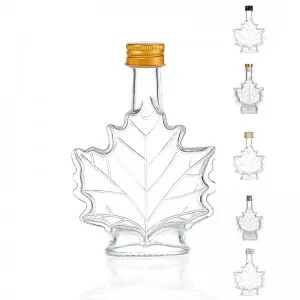
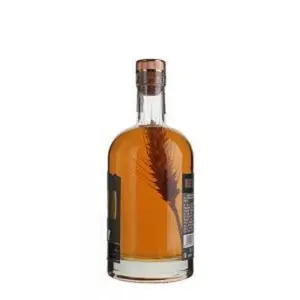
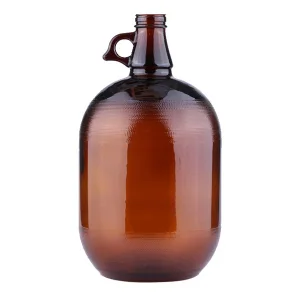
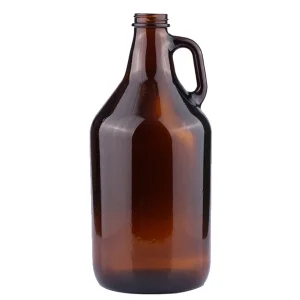
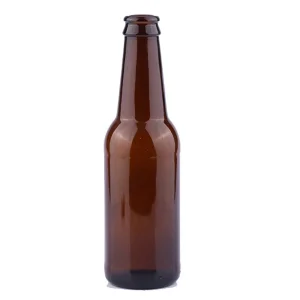
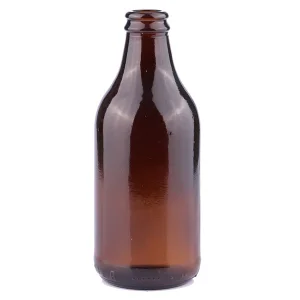
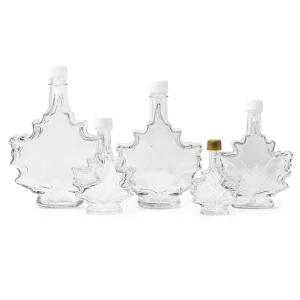
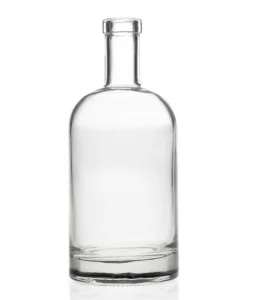
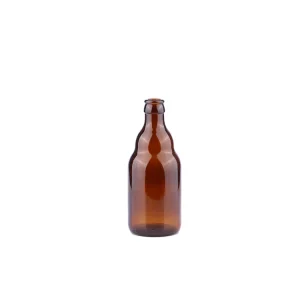
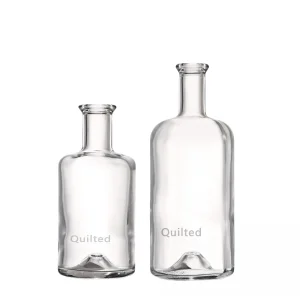
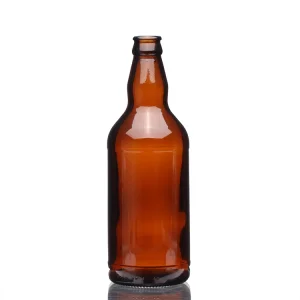
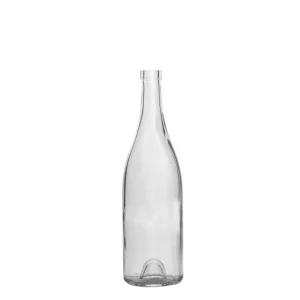
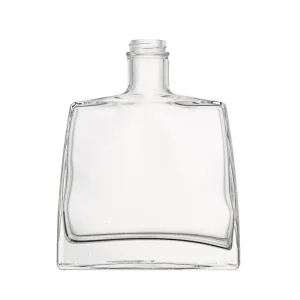
Optimized glass packaging options engineered for high-performance automated bottling lines in Lisbon and Porto vinicultural corridors.
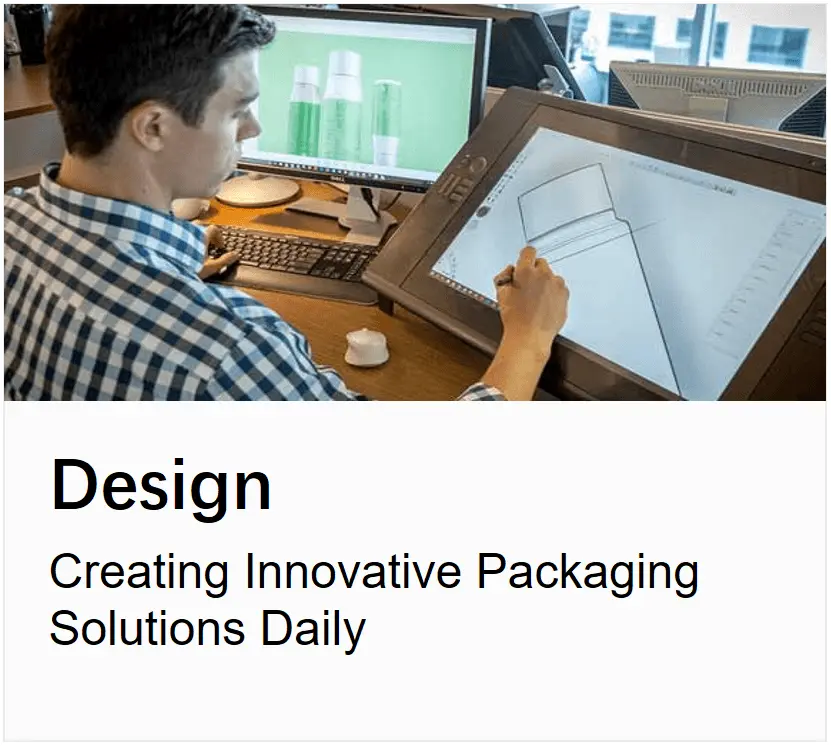
Our premier custom bottle manufacturing service, with an optimized supply chain, seamlessly transforms your concepts into stunning packaging solutions.

Crafting our custom glass packaging solutions within our state-of-the-art bottling facility enables us to drive down costs while ensuring swift delivery of top-notch finished goods.

Avail yourself of our complimentary glass bottle samples, aiding you in solidifying your decision to invest in our premium glass bottle selections, facilitating bulk purchases with confidence.

For centuries, the Lisbon wine-growing region—including Colares, Carcavelos, and Bucelas—has stood as a vital pillar of the Iberian Peninsula’s vinicultural heritage. Today, as global and regional logistics converge on the Port of Lisbon, regional wineries and craft spirits distillers are facing an evolution in packaging requirements. The classic Bordeaux bottle remains the benchmark of elegance and preservation. However, achieving absolute stability in supply, cost-effectiveness, and compliance requires a deep understanding of modern glass manufacturing and logistics integration.
Within the Portuguese market, the transition toward high-speed bottling lines demands glass containers with high dimensional accuracy. Wineries in Estremadura and surrounding Lisbon districts process thousands of bottles per hour; any minor tolerance deviation in bottle neck internal diameter or shoulder vertical loading capacity can trigger catastrophic line stops or breakage. Bordeaux bottles (often characterized by high shoulders, straight vertical walls, and pronounced punts) demand uniform glass distribution to survive the physical stresses of cleaning, filling, corking, and labeling.
Key parameters like vertical axis load strength and thermal shock resistance must meet rigorous European Standards (EN). High-quality Bordeaux bottles utilize an optimal mixture of virgin silica sand and locally sourced cullet (recycled glass). This balance ensures structural integrity and significantly reduces carbon footprints during furnace melting—aligning with the sustainable objectives of modern European viniculture.
Purchasing glass containers internationally requires a balance of cost-efficiency and reliable risk management. Wineries and spirits bottlers in Lisbon face several primary logistical considerations:
To help procurement teams make informed decisions, the table below provides technical details on the mechanical characteristics required for standard and premium Bordeaux wine and spirits bottles:
| Bottle Class | Volume Capacity (ml) | Nominal Weight (g) | Average Height (mm) | Thermal Shock Resistance (°C) | Vertical Load Capability (kN) | Primary Application |
|---|---|---|---|---|---|---|
| Standard Claret / Bordeaux | 750ml | 360g - 420g | 300mm | ≥ 40°C | ≥ 3.0 kN | Lisbon Regional Red & White Table Wines |
| Premium Heavy Bordeaux | 750ml | 550g - 750g | 315mm | ≥ 45°C | ≥ 5.0 kN | Reserve Aged Reds (D.O.C. Alenquer / Colares) |
| Spirit / Decanter Lola Series | 700ml / 750ml | 600g - 800g | Variable | ≥ 38°C | ≥ 4.0 kN | Lisbon Gin, Brandy (Aguardente), and Liqueurs |
The manufacturing process begins at the batch house, where raw materials (silica sand, soda ash, limestone, and cullet) are precision-measured and melted in gas-fired regenerative furnaces at temperatures exceeding 1500°C. Narrow Neck Press Blow (NNPB) technology represents a significant advancement over standard Blow-and-Blow methods, allowing for lightweight glass production without sacrificing structural thickness. After forming, the bottles undergo critical hot-end chemical vapor deposition treatment, applying a thin layer of tin oxide to prevent surface micro-scratches. They then pass through the annealing lehr to eliminate internal stress, followed by a cold-end organic coating (polyethylene emulsion) to ensure smooth contact on conveyor lines.
In Stock, On Time: QLT Glass, Your Swift Solution for Premium Packaging. Ready to Ship Excellence!
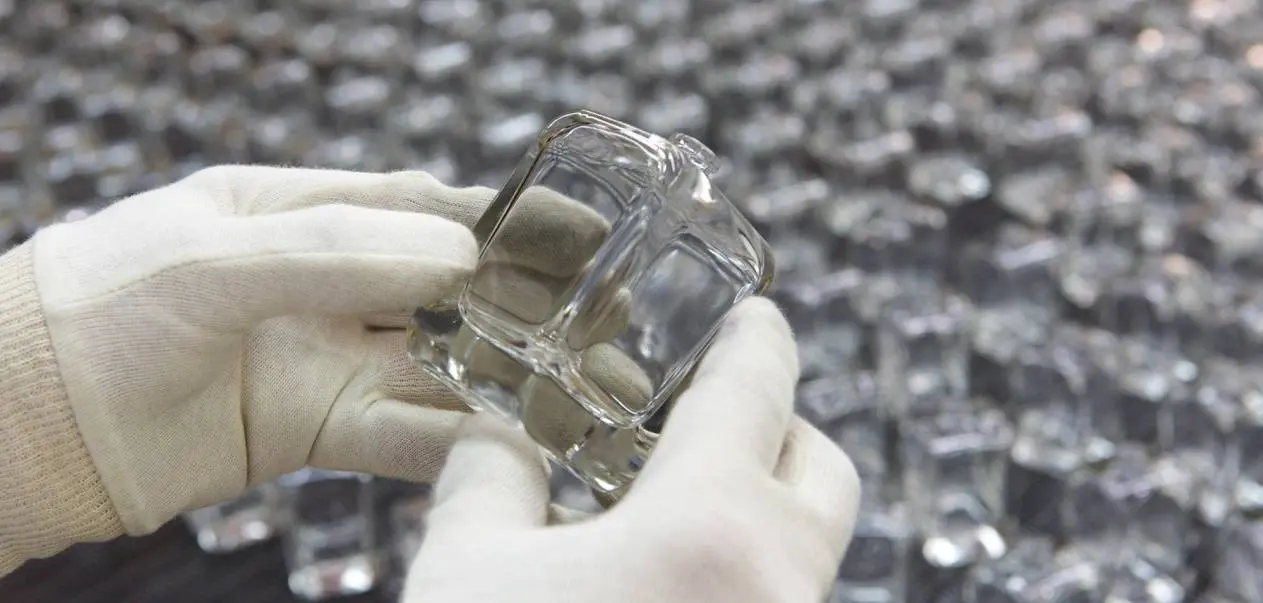
As a leading glass bottle manufacturer, we take pride in our ability to produce glass bottles from start to finish. Our integrated processes encompass raw material crushing and mixing, precise batching, melting, shaping, and meticulous annealing, ensuring top-notch quality at every step. Through our dedicated supply chain networks, we deliver premium Bordeaux, Burgundy, spirits, and custom-shaped glassware directly to warehousing facilities in Lisbon and global distribution markets.
Read AllLead-Free Glass
Export Countries
Daily Capacity
Certified Quality
Providing custom development, physical simulation testing, and logistics solutions for Lisbon and global markets.
As the European Union moves closer to circular economy directives, packaging manufacturers are refining their processes to align with these goals. For wineries and spirits distributors in Lisbon, environmental impact has transitioned from a marketing point to a regulatory requirement. Modern production processes focus on three key areas:
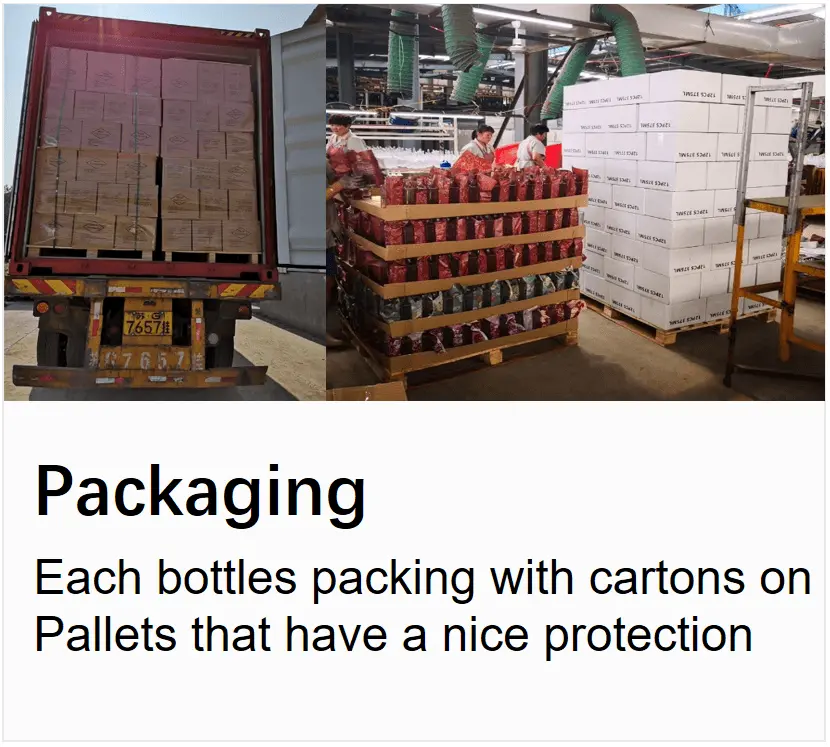
Supply chain reliability is crucial to avoiding downtime during critical harvesting seasons. In Portugal, regional supply chain facilities integrate local warehousing, customs clearance, and road freight networks to support local filling lines. Key features of this system include:
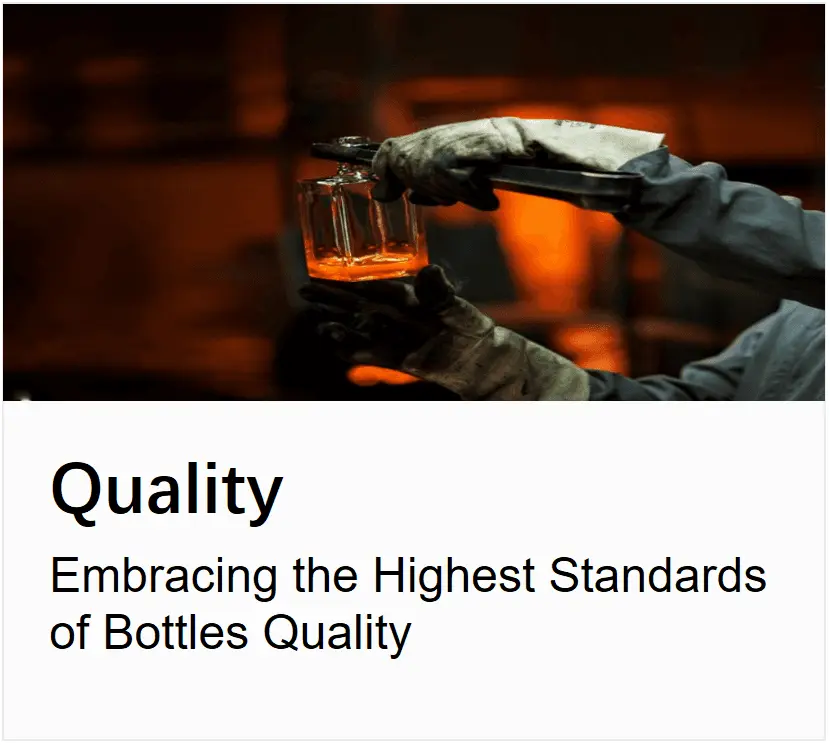
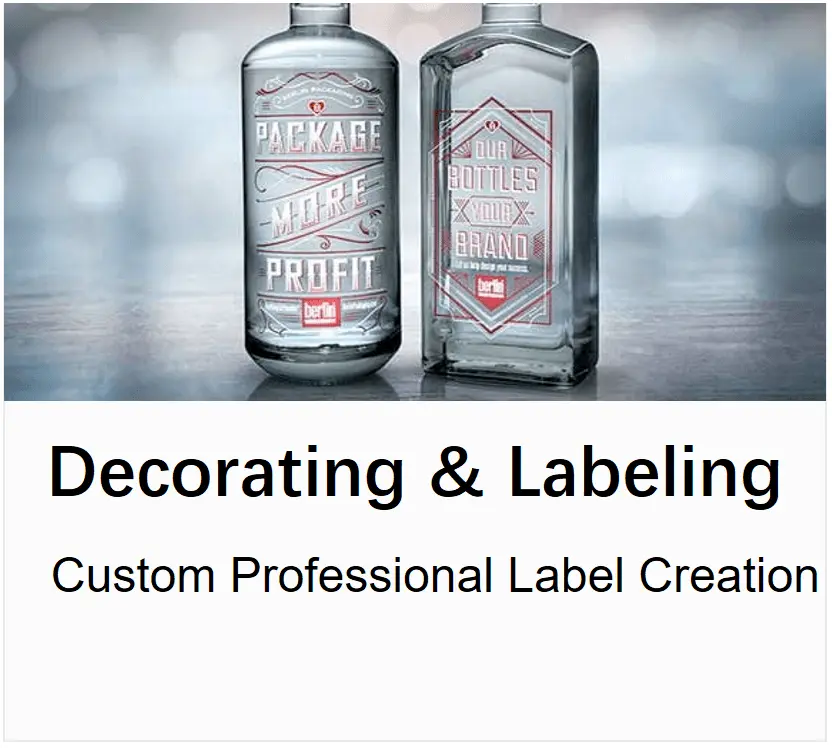
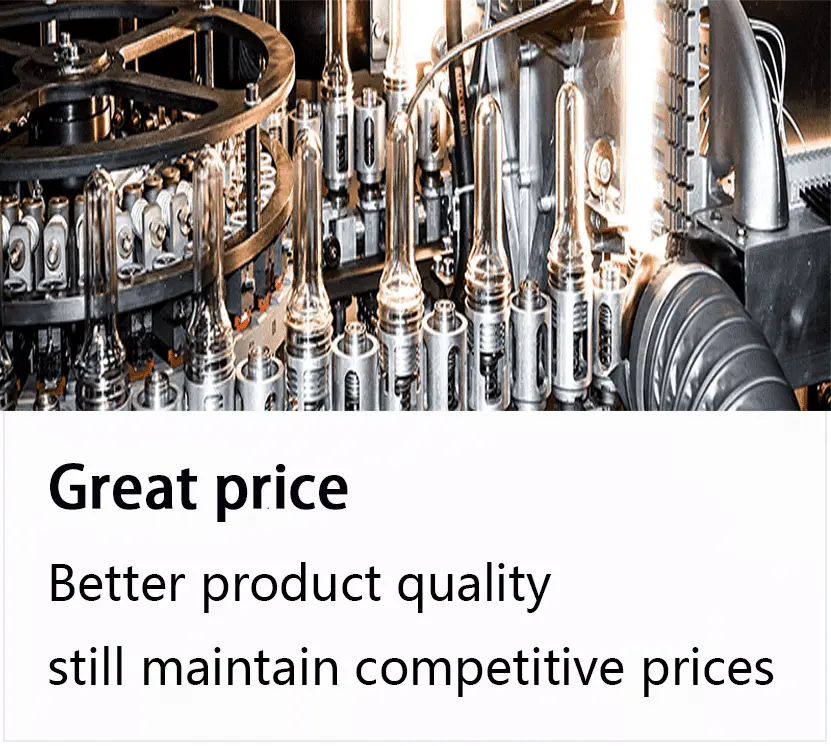
Browse our extensive selection of glass packaging options, manufactured to strict quality standards and ready for shipping to Portugal.
Preserving all original catalog options, with technical specifications adapted for Portuguese vinicultural operations.
Expert insights on glass container procurement, custom branding, and shipping logistics for Lisbon's beverage industries.
Partner with an experienced manufacturer to streamline your supply chain. We offer custom glass designs, stable logistics directly to Lisbon, and strict quality control for your packaging needs.
 QLT Glass