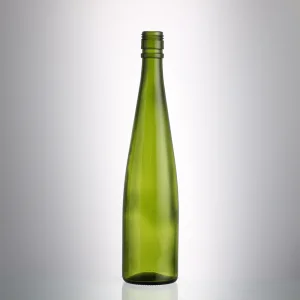
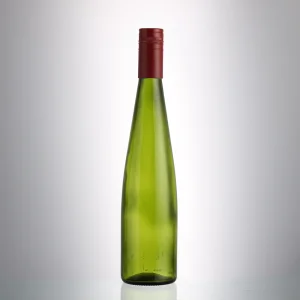
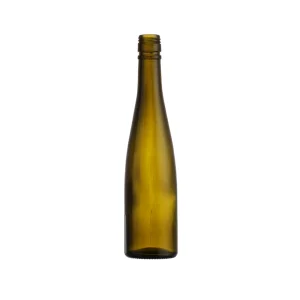
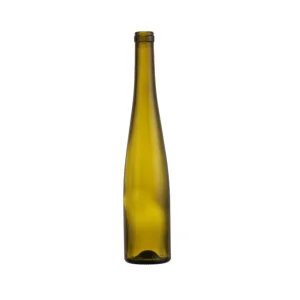
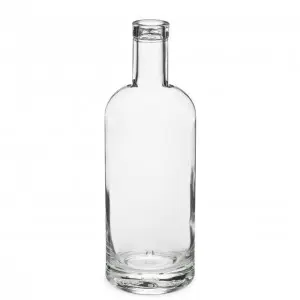
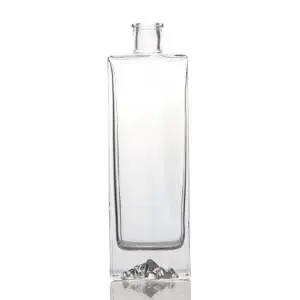
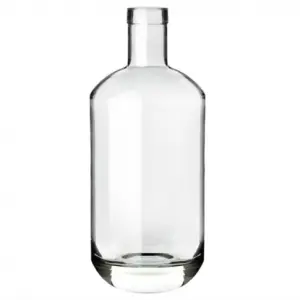
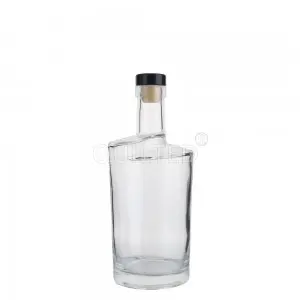
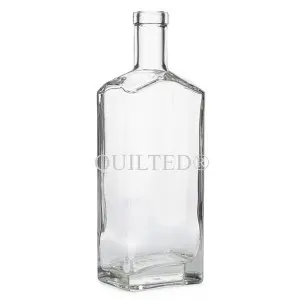
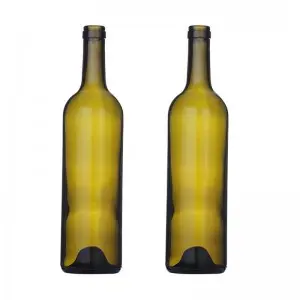
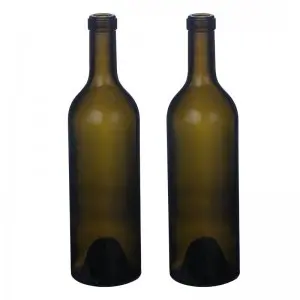
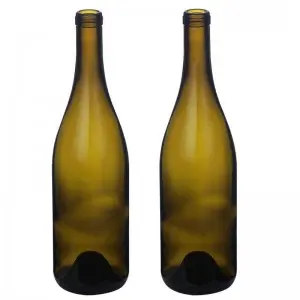
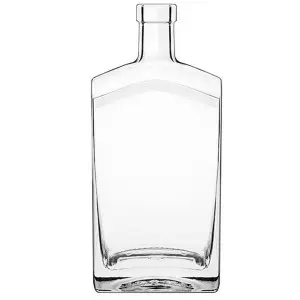
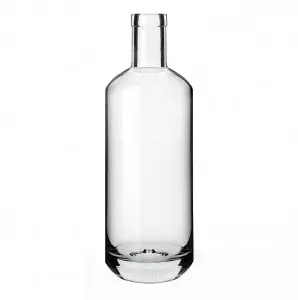
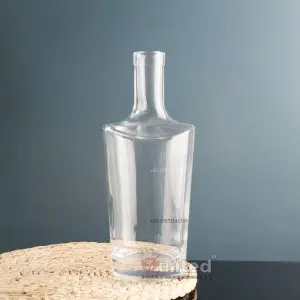
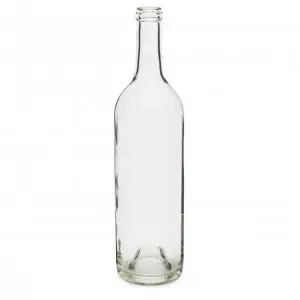
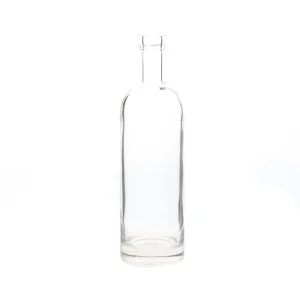
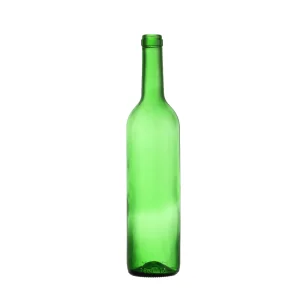
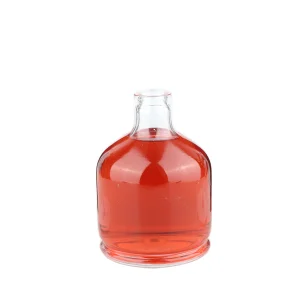
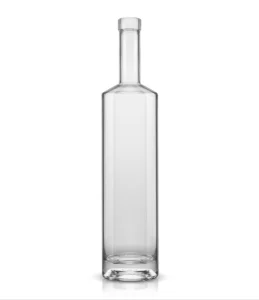
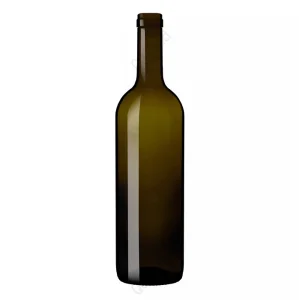
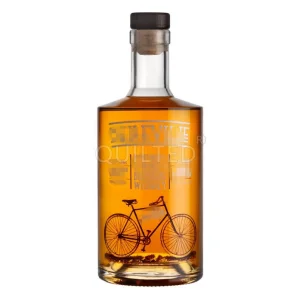
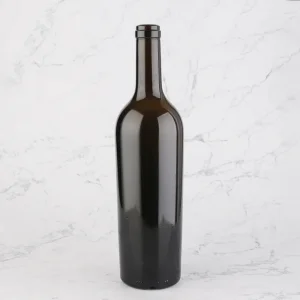
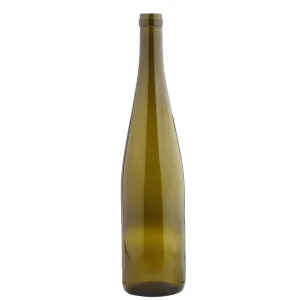
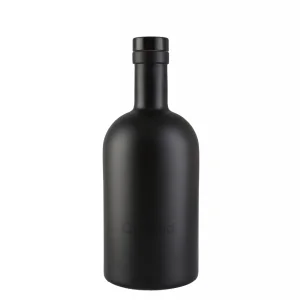
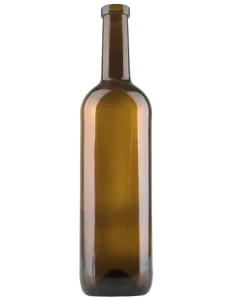
Engineered for high carbonation levels, extreme pressures, and optimal thermal shock resistance required in the Middle Eastern luxury market.


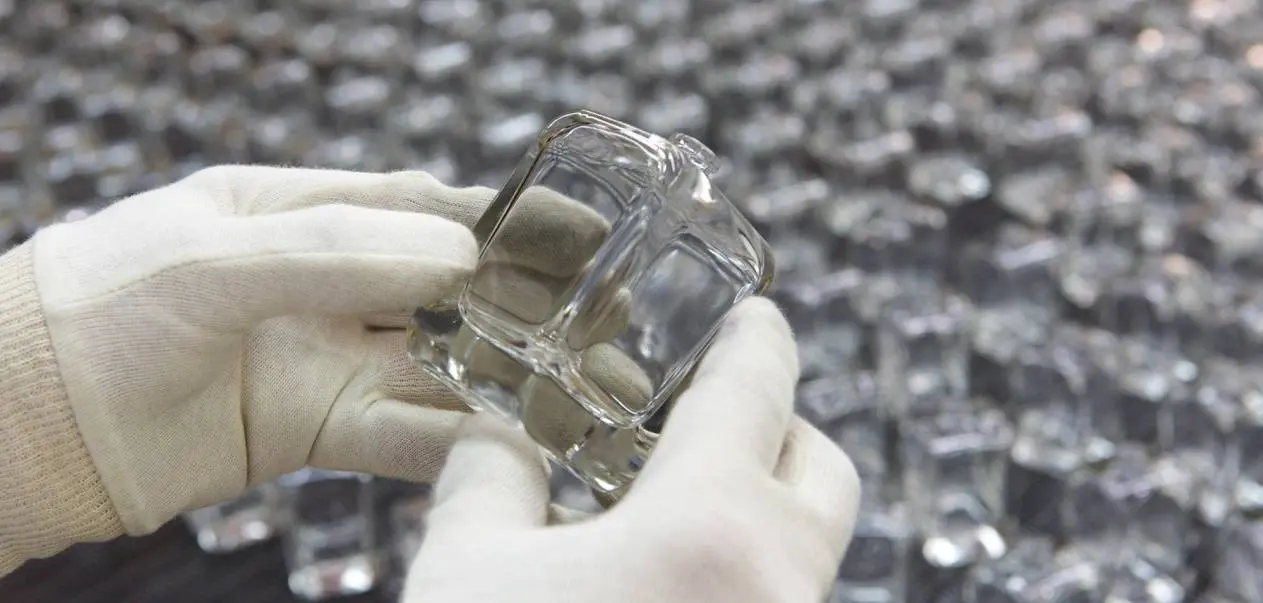
As a leading Chinese glass bottle manufacturer, we take pride in our ability to produce glass bottles from start to finish. Our integrated processes encompass raw material crushing and mixing, precise batching, melting, shaping, and meticulous annealing, ensuring top-notch quality at every step.
Request a Custom Factory TourOur champagne and sparkling beverage bottles are stress-tested to survive regional logistics and high storage temperatures.
The premium glass container industry in the Kingdom of Bahrain represents a critical hub for Middle Eastern logistics, luxury hospitality, and sparkling beverage distribution. While Bahrain does not manufacture heavy-duty glass containers domestically, the country's strategic geographical location, combined with the presence of international distribution corridors such as the King Fahd Causeway and the Khalifa Bin Salman Port, makes it a vital consumption and transit hub for packaging solutions. As premium brands transition toward sustainable, heavy-base, and pressure-resistant glass, locating a high-volume, reliable supplier capable of meeting rigorous quality standards has become paramount.
Bahrain’s economic diversification framework under the Bahrain Economic Vision 2030 has significantly spurred expansion in the tourism, fine dining, fast-moving consumer goods (FMCG), and luxury hospitality sectors. This growth has direct ramifications for the premium glass packaging sector. The domestic market has experienced a surge in demand for champagne-style glass bottles, driven not only by luxury hotels in Manama, Seef, and Amwaj Islands but also by a rapidly growing upscale non-alcoholic carbonated beverage and sparkling mocktail industry.
These beverages require identical material properties to traditional Champagne bottles: thick walls, a deep punt (concavity at the base), and a robust finish configuration (either crown cap or cork neck) capable of withstanding internal pressures of up to 12 Bar. Given the hot ambient climate of the Arabian Gulf, where summer temperatures frequently exceed 45°C, thermal expansion properties and pressure containment security are non-negotiable engineering requirements. Importers in Bahrain look to high-precision manufacturing clusters in China to fulfill these strict specifications reliably.
Modern glass manufacturing is undergoing a paradigm shift, combining digital manufacturing technologies with ecological sustainability. Our technological roadmap focuses on three main developments:
Why choose a Chinese manufacturing partner for glass bottle imports in Bahrain? The answer lies in structural optimization and supply chain integration. Our facility controls every variable of the value chain: from purchasing high-grade silica sand to batching, melting in natural gas-powered furnaces, and automated molding. We run multi-cavity IS machines that ensure a continuous supply even for high-volume orders exceeding 100,000 units.
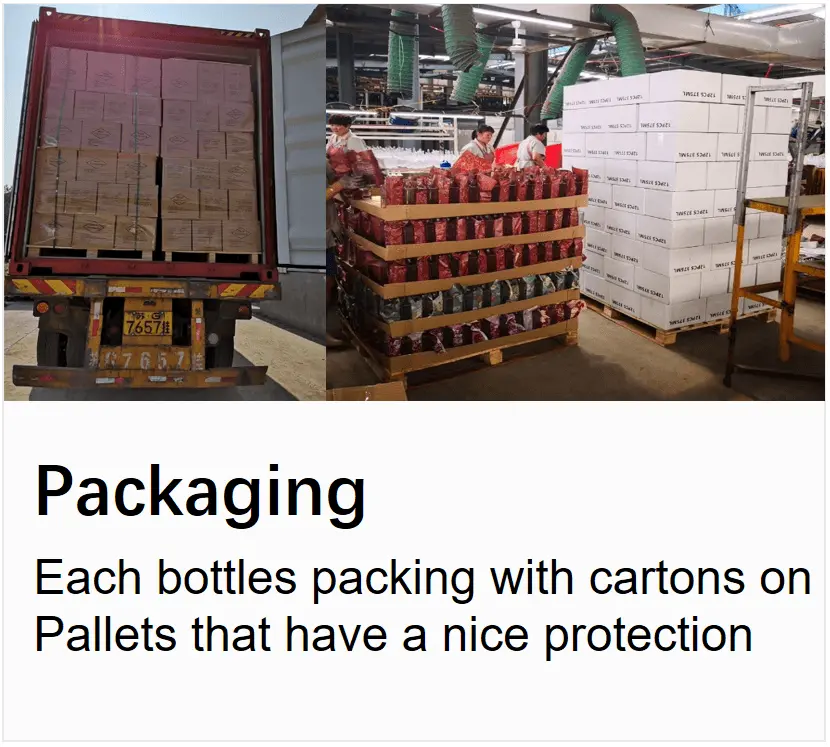
Furthermore, Chinese manufacturing centers boast advanced logistics integrations. We coordinate direct shipping lines from major ports (Qingdao, Shanghai) directly to Khalifa Bin Salman Port in Hidd, Bahrain. By handling customs declarations, pallets with export-safe fumigation, and sea-freight booking under a single unified tracking process, we slash delivery times and insulate our Bahraini clients from regional market fluctuations.
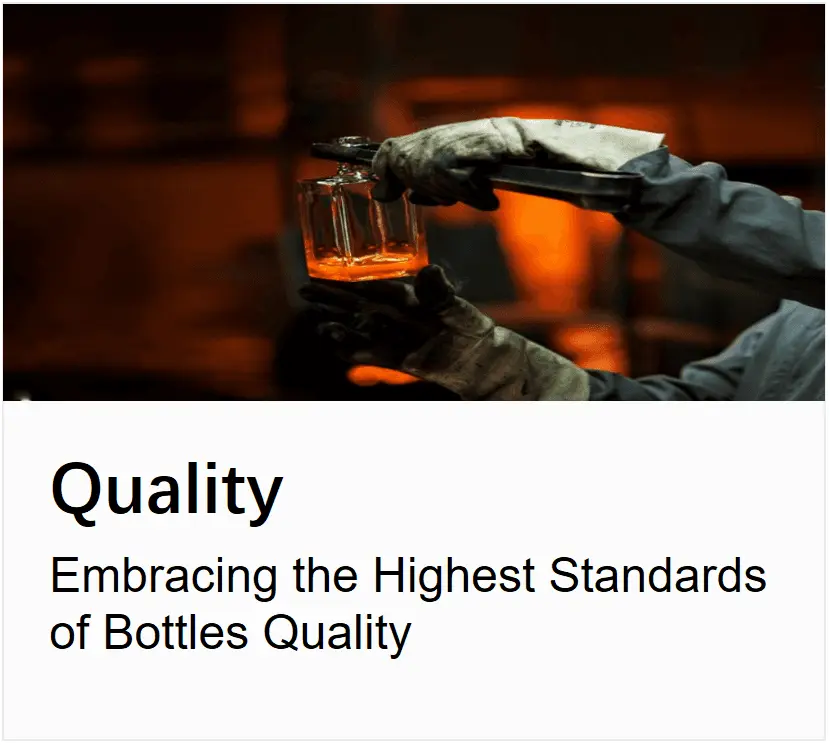
Importing food-grade glass packaging into the GCC zone requires alignment with GSO (Gulf Standardization Organization) regulations, FDA guidelines, and European food contact directives. Because our bottles are certified under ISO 9001 (Quality Management System) and ISO 22000 (Food Safety Management System), they easily clear custom checks in Bahrain.
We test for lead, cadmium, and hexavalent chromium migration thresholds to ensure absolute non-toxicity. When we supply to Bahrain, we also provide certifications verifying that the glass chemistry does not react with carbonated liquids, guaranteeing high durability throughout the logistics and shelf-life period of the final beverage.
In Stock, On Time: QLT Glass, Your Swift Solution for Premium Packaging. Ready to Ship Excellence!
Expert-grade custom glass formulations covering champagne, wine, spirits, and non-alcoholic sparkling lines.
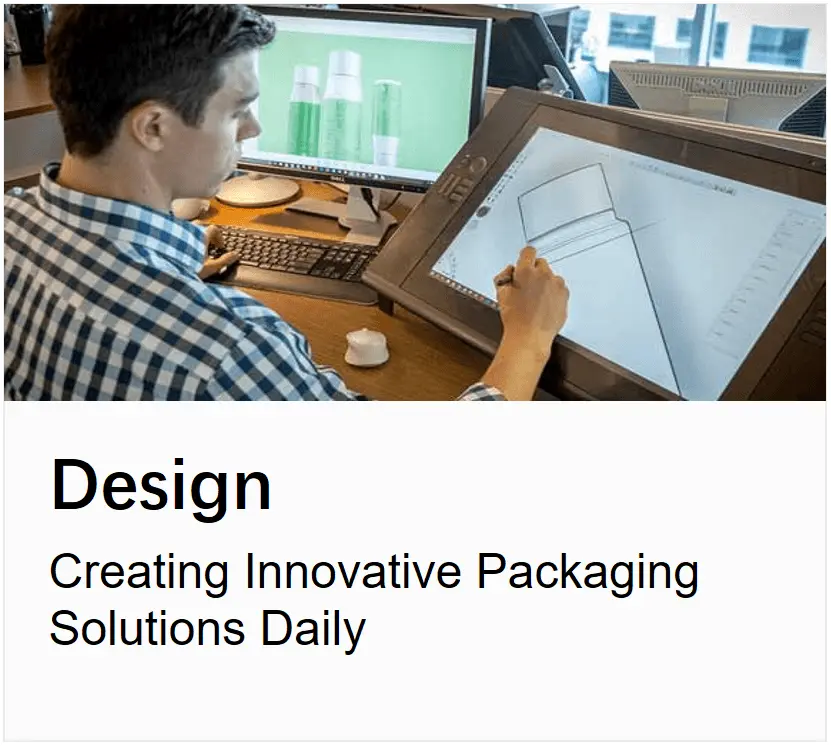
Get in touch with our engineers today for structural analysis, sample moldings, and direct CIF price quotes to Bahrain.
Send Inquiry NowStandard and bespoke configurations optimized for international spirit brands, vineyards, and premium packaging projects.
Clear, direct answers regarding customs compliance, shipping lead times, and structural options for glass containers bound for Bahrain.
 QLT Glass