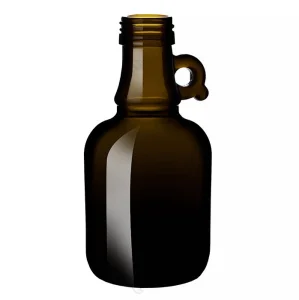
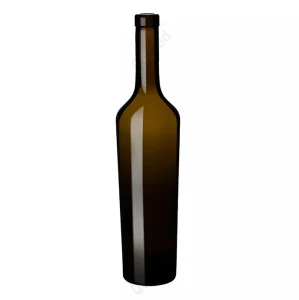
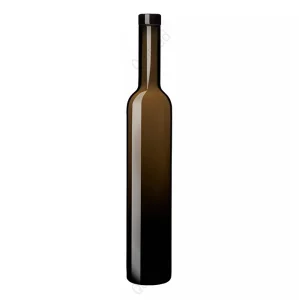
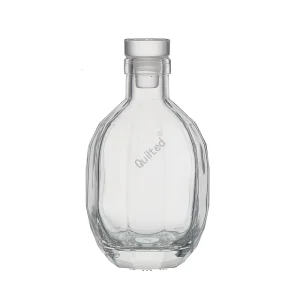
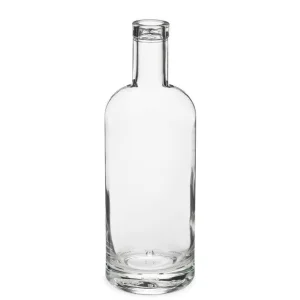
Precision UV protection and structural durability engineered specifically for Nordic requirements.

Our premier custom bottle manufacturing service, with an optimized supply chain, seamlessly transforms your concepts into stunning packaging solutions.

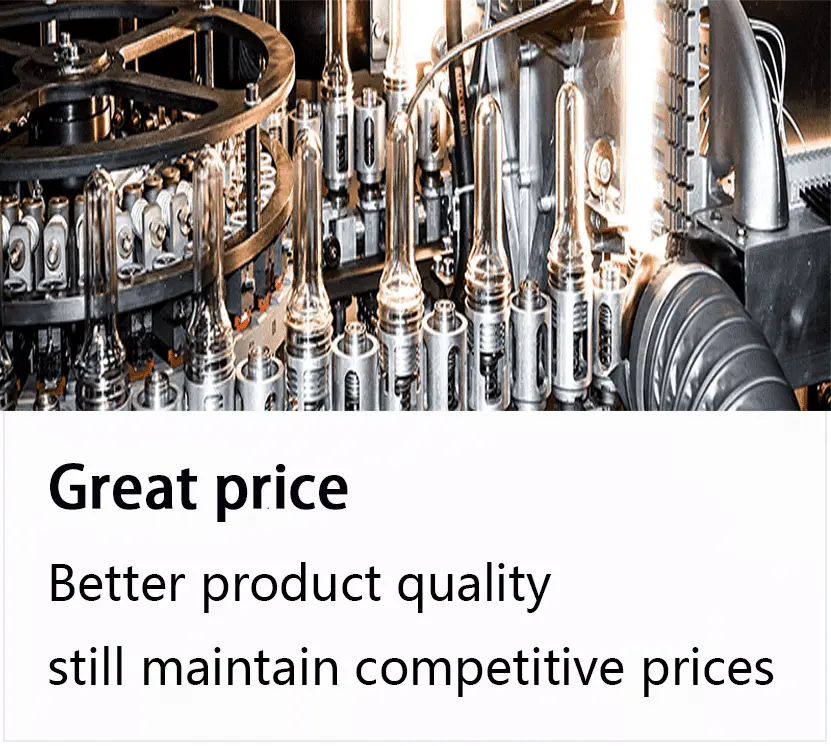
Crafting our custom glass packaging solutions within our state-of-the-art bottling facility enables us to drive down costs while ensuring swift delivery of top-notch finished goods.

Avail yourself of our complimentary glass bottle samples, aiding you in solidifying your decision to invest in our premium glass bottle selections, facilitating bulk purchases with confidence.
Norway's commercial and industrial landscape demands packaging options that excel in aesthetic storytelling, mechanical durability, and environmental compliance. The local market is driven by strict regulations and consumer preferences. As the state-owned beverage retail monopoly, Vinmonopolet, enforces rigorous standards regarding weight-reduction, carbon footprint, and circular integration, beverage brands across Oslo, Bergen, and Trondheim are shifting to glass supply partners who can reconcile complex designs with eco-conscious manufacturing.
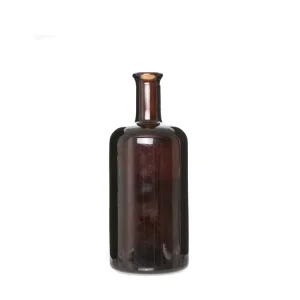
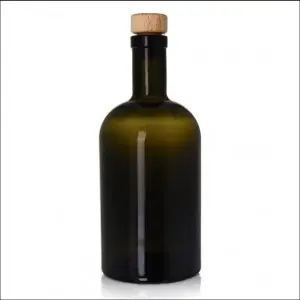
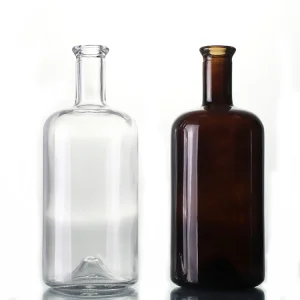
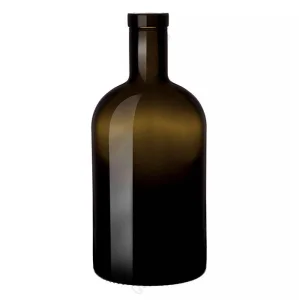
Traditional Norwegian spirits like Akevitt (Aquavit), craft gin, and herbal liqueurs require glass that provides protection against light degradation. Sunlight exposure, particularly on coastal shelf displays, can cause photochemical deterioration of delicate botanical profiles. High-barrier amber and antique green glass are essential, blocking over 99% of damaging ultraviolet radiation. Working with specialized colored bottle manufacturers allows Nordic brands to combine protective qualities with custom branding, establishing a distinct presence on highly regulated retail shelves.
Glass coloring is a precise metallurgic process. To create specialized colors like Amber, Antique Green, and Cobalt Blue, precise chemical elements must be added during the glass batching phase. These elements change the absorption spectrum of the finished glass:
In addition to managing color consistency, our production lines employ Narrow Neck Press and Blow (NNPB) technology. This manufacturing technique reduces overall bottle weight by up to 25% while maintaining structural integrity. For businesses operating within Norway's deposit return scheme managed by Infinitum, using lightweight glass helps minimize transport emissions and lower environmental taxes.
Navigating the European glass shortage requires a dependable supply chain. By integrating Chinese manufacturing with Nordic logistics, we offer a balance of efficiency, quality control, and scale. Our production processes utilize automated material batching, electric hybrid glass-melting furnaces, and advanced quality inspection systems.
Every bottle undergoes automated inspection, utilizing high-resolution cameras to detect dimensional variations, micro-fractures, and air bubbles. These automated systems check each unit at the cold-end stage, ensuring the final product matches technical specifications before packaging. This thorough testing helps minimize downtime on automated bottling lines.
In Stock, On Time: QLT Glass, Your Swift Solution for Premium Packaging. Ready to Ship Excellence!
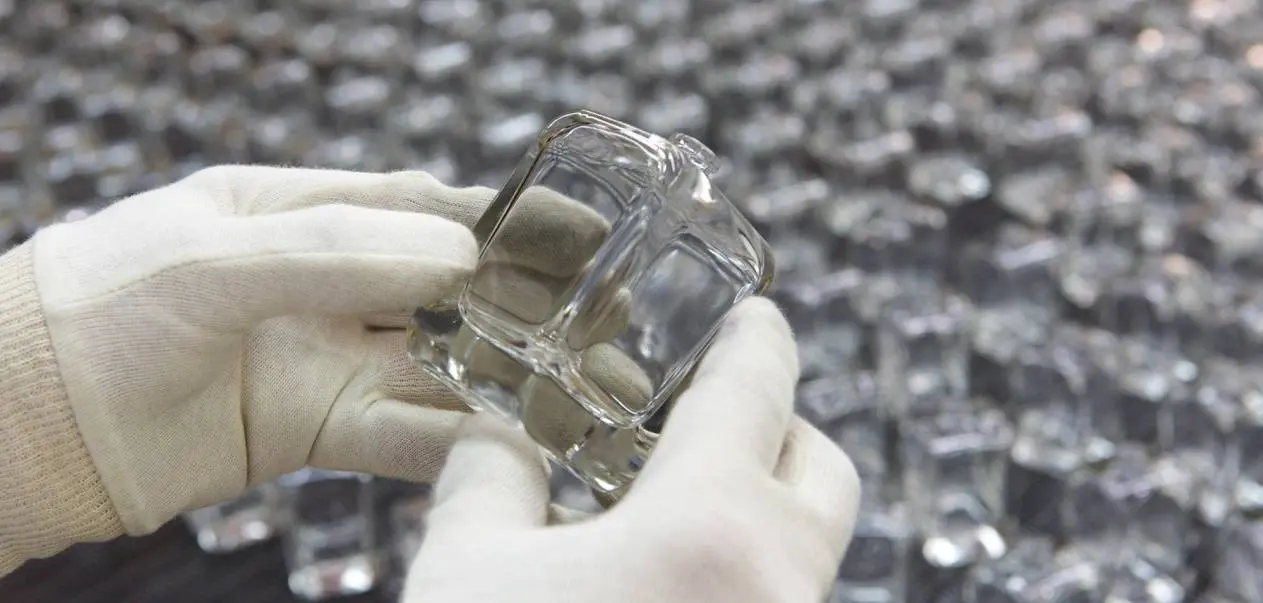
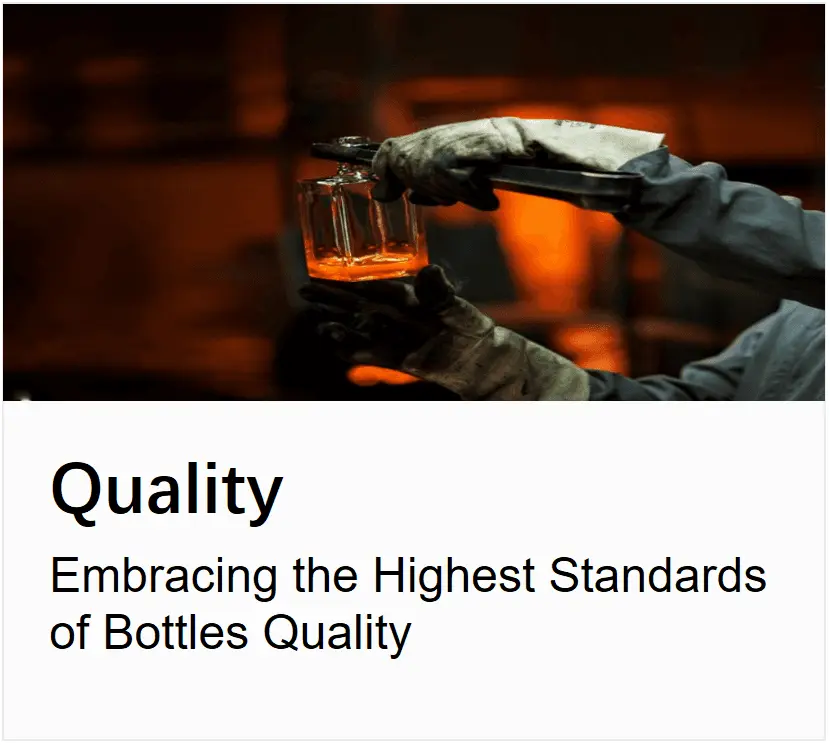
As a leading Chinese glass bottle manufacturer, we take pride in our ability to produce glass bottles from start to finish. Our integrated processes encompass raw material crushing and mixing, precise batching, melting, shaping, and meticulous annealing, ensuring top-notch quality at every step.
We blend cost efficiency with global standards, exporting to demanding markets in Northern Europe, the Americas, and the Asia-Pacific region. Our team collaborates with engineering departments to transform drawings into robust physical packaging.
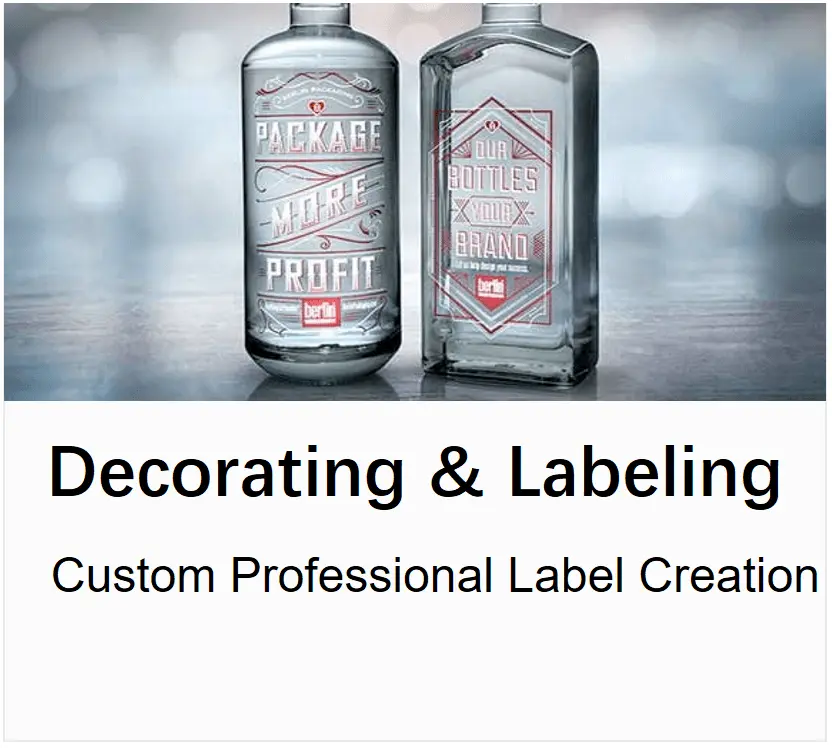
Read AllProviding bespoke shapes, neck finishes, coatings, and structural designs for international beverage and spirits brands.
Entering European markets, particularly non-EU European Economic Area (EEA) states like Norway, requires strict adherence to international safety standards. Our manufacturing complies with all food contact regulations. Our glass products are free of heavy metal contamination and conform to EU Directive 94/62/EC, maintaining total heavy metal concentrations (lead, cadmium, mercury, and hexavalent chromium) below 100 ppm.
We implement several quality control steps to meet safety requirements:
Our certifications include SGS, FDA, LFGB, and compliance with EC 1935/2004. We work closely with our partners' quality departments, providing full material documentation and test reports for auditing purposes.
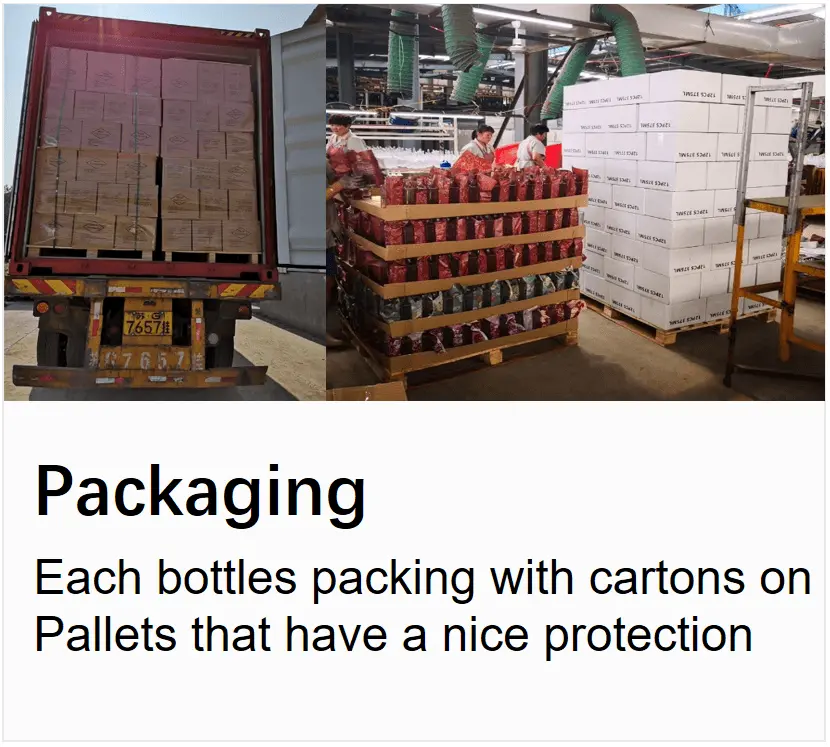
Shipping glass bottles across long distances requires specialized logistics planning. To ensure safe delivery, we utilize custom-sized wooden pallets, plastic shrink-wrap, and heavy corrugated separators. These packaging components cushion the bottles and prevent scratches or structural damage during transport.
We manage the entire logistics process from our factories to major Norwegian ports, including Oslo, Bergen, and Trondheim. We handle export documentation, customs clearance, and local distribution, helping to streamline import procedures.
When evaluating manufacturing partners, looking at the total cost of ownership (TCO) is essential. While local European production can carry high operational costs, our model balances cost-efficiency with high-capacity output. We support moderate minimum order quantities (MOQs) for custom designs, helping emerging craft brands access unique glass shapes without excessive upfront capital.
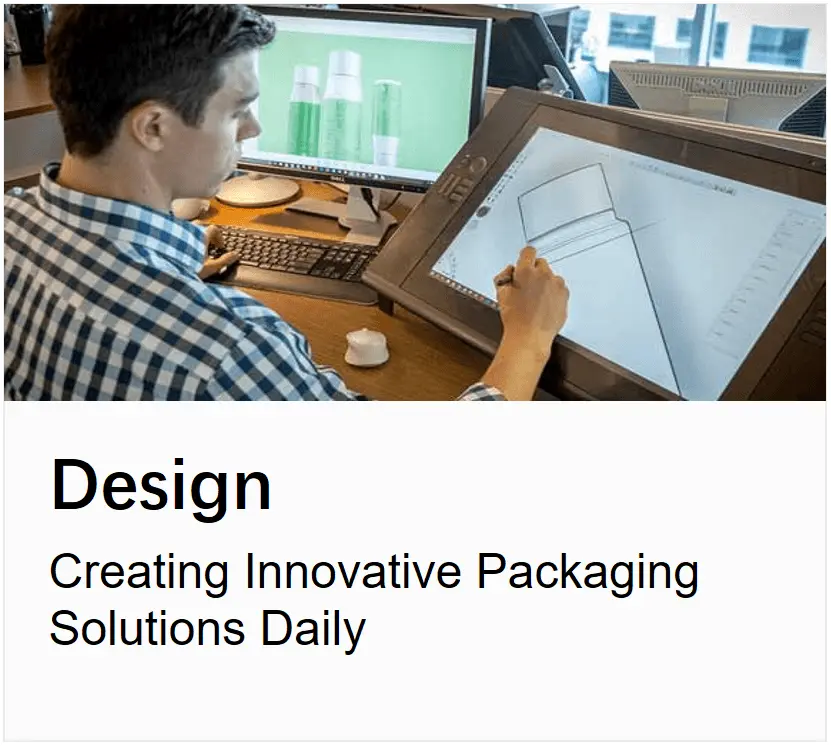
Our design services offer rapid prototyping using 3D rendering and printed sample molds, shortening development cycles. This agile process helps businesses bring new products to market faster and respond quickly to shifting consumer trends.
Specialty glass options matching the design preferences and functional requirements of the Nordic region.
Detailed technical and commercial answers for operations managers and purchasing directors.
For custom designs, standard lead times are 3-4 weeks for mold engineering and sample approvals. Once the design is approved, mass production typically takes 25-30 days. Shipping from major Chinese ports to Norway (e.g., Oslo, Bergen) averages 35-45 days, depending on the route and carrier availability.
Our amber glass is formulated to absorb light in the 200nm to 450nm range, blocking over 99% of UV radiation. This helps prevent photochemical degradation of compounds in craft beers and botanical distillates, helping protect taste and aroma profiles over time.
Yes. Our production processes utilize automated material batching and camera-inspection systems to ensure consistent dimensions. This precise calibration helps minimize variations in neck diameter, height, and wall thickness, supporting smooth integration with automated filling, corking, and labeling lines.
For stock designs, orders start at one container. Custom mold configurations and unique glass colors typically require a minimum run of 30,000 to 50,000 units, depending on the bottle size and styling complexity.
Connect with our technical engineering department to discuss custom tooling, weight optimization, and bulk shipment logistics to Norway.
Send Inquiry Now QLT Glass