Curated premium configurations designed for high-performance bottling lines in coastal and highland Montenegrin distilleries.
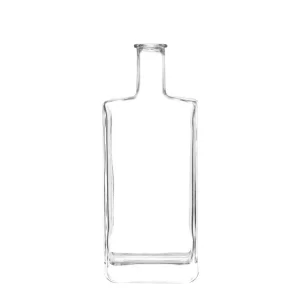
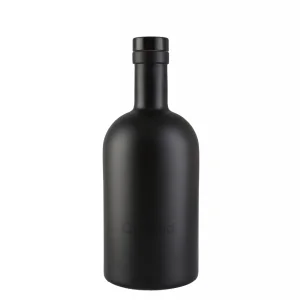
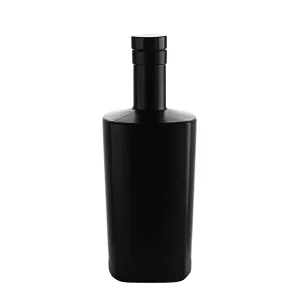
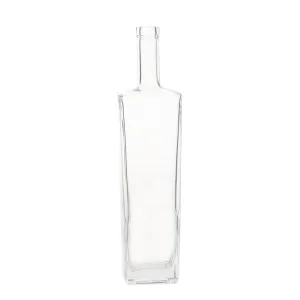

Our premier custom bottle manufacturing service, backed by an optimized design supply chain, seamlessly transforms your branding concepts into stunning structural glass packaging solutions.

Crafting our custom glass packaging solutions within our state-of-the-art bottling facility enables us to drive down unit costs while ensuring swift delivery of top-notch finished goods.

Avail yourself of our complimentary glass bottle samples, aiding you in solidifying your decision to invest in our premium glass selections, facilitating high-volume bulk purchases with total confidence.
Montenegro is experiencing a monumental transformation in its domestic beverage sector. Traditionally characterized by small-scale, domestic distillation of fruit brandies (rakija), the region is seeing a rapid expansion of commercial boutique distilleries specializing in ultra-premium craft gins. Drawing botanical resources from the rich eco-zones of the Lovćen mountain range and the Durmitor National Park, Montenegrin distillers are positioning themselves at the crossroads of European eco-tourism and high-end gastronomy. This shift has triggered a demand for high-caliber glass packaging solutions that can represent the country's unique heritage to international tourists visiting luxury enclaves like Porto Montenegro, Luštica Bay, and the historic Bay of Kotor.
However, because Montenegro does not possess high-capacity heavy industrial glass manufacturing plants capable of producing cosmetic-grade extra-flint glass bottles, local distilleries must rely entirely on foreign supply networks. Sourcing glass internationally poses a series of logistical and technical challenges: ensuring chemical stability for high-proof spirits, maintaining dimensional stability across bottling lines, and navigating the customs frameworks of a nation aligning with European Union integration protocols. For a Montenegrin distiller, choosing a supplier is not merely about finding a vendor; it is about selecting an engineering partner capable of ensuring a resilient supply chain from furnace to the Port of Bar.
Local Glass Melting Plants in Montenegro
Reliance on High-Quality Imports
Thermal Defect Rate via IS Machine Control
Day Trans-Balkan Transit Window
For high-end craft gin, cosmetic clarity is the primary vehicle for communicating premium value. The glass must possess an ultra-low iron index to prevent the characteristic green or amber tint seen in lower-grade container glass. As a leading manufacturer, we achieve this by using raw materials of exceptional purity—specifically, sand with an iron oxide (Fe2O3) content of less than 0.015%. This precise formulation creates what is known in the industry as Extra Flint Glass.
Beyond aesthetic clarity, the physical chemistry of the bottle must guarantee inertness. Distilled spirits, typically containing 40% to 60% alcohol by volume (ABV), act as mild organic solvents. Lower-grade glass with high alkaline reserves can undergo hydrolytic degradation over long storage cycles, resulting in sodium ion leaching that alters the taste profile of the spirit. Our manufacturing process conforms strictly to EU Type III Glass standards, offering high hydrolytic resistance to preserve the delicate, aromatic profiles of small-batch botanical distillates.
Alternative designs offering varied neck finishes, amber UV-shielding, and vintage apothecary profiles for specialized botanical infusions.
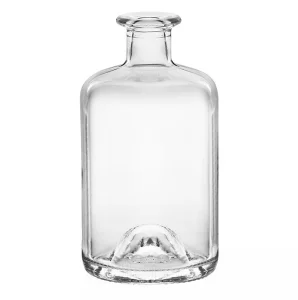
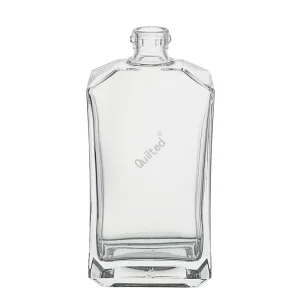
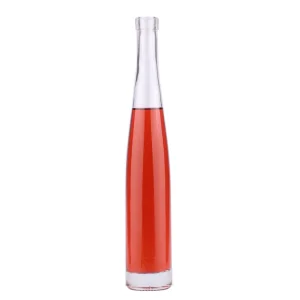
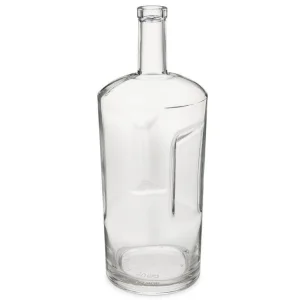
As a leading Chinese glass bottle manufacturer, we take pride in our ability to produce glass bottles from start to finish. Our integrated processes encompass raw material crushing and mixing, precise batching, melting, shaping, and meticulous annealing, ensuring top-notch quality at every step of the operation.
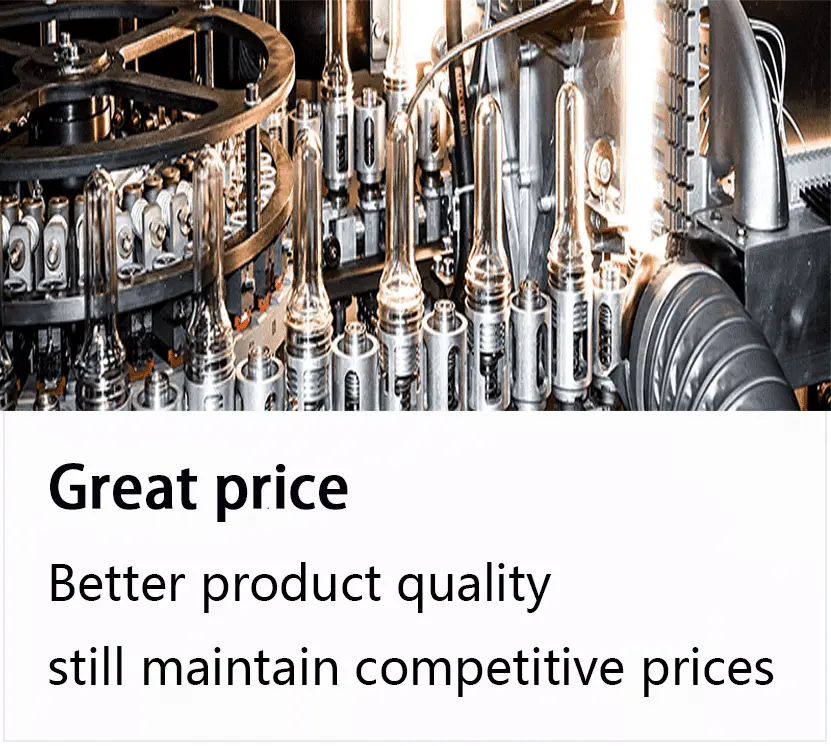
By leveraging automatic IS (Individual Section) machines and computer-controlled temperature curves during the annealing stage, we eliminate structural micro-cracks and residual thermal stresses. This level of technical oversight guarantees that every bottle exported to the Balkan region exhibits superior mechanical strength, allowing it to withstand high-pressure washing, high-speed inline filling, and complex capping techniques without breakage.
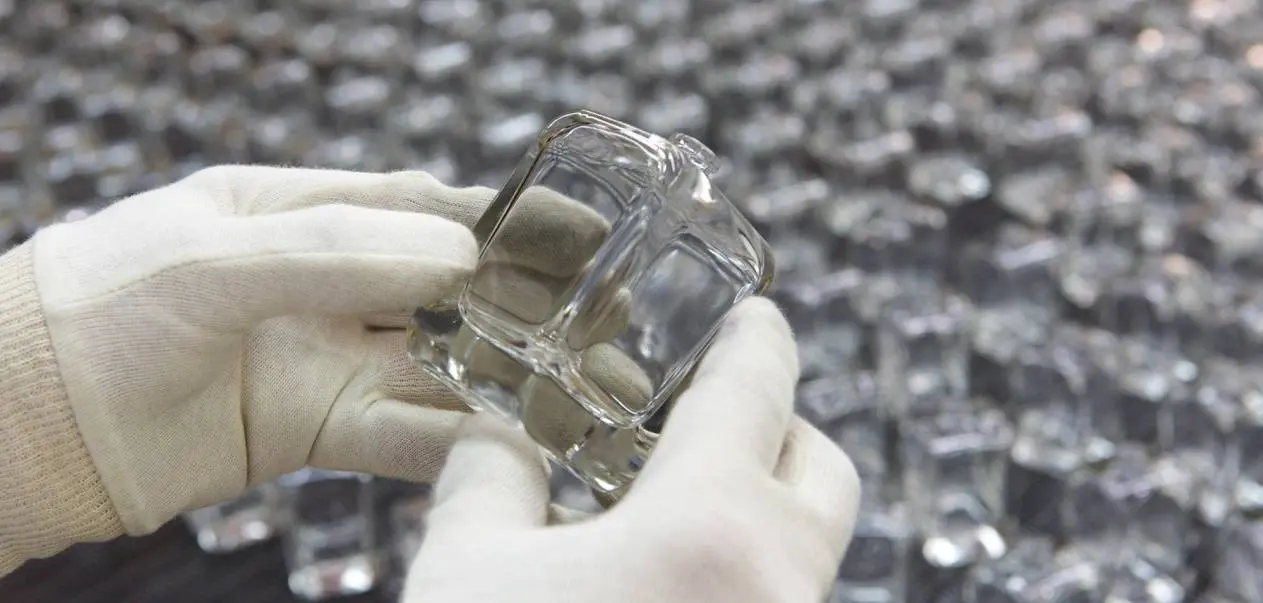
Comprehensive standard configurations and custom-engineered molds for international spirit distillers, wine producers, and craft beverage houses.
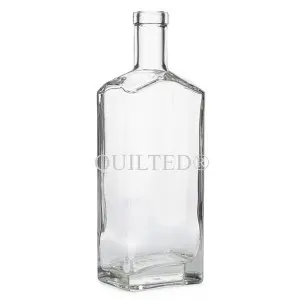
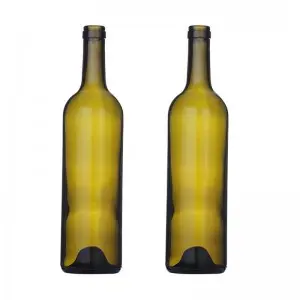
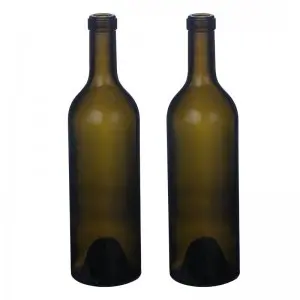
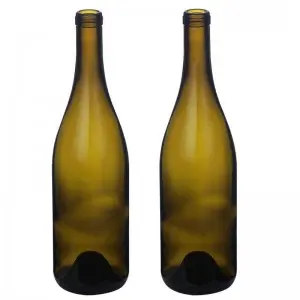
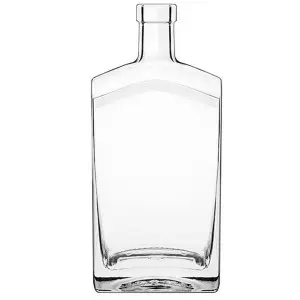
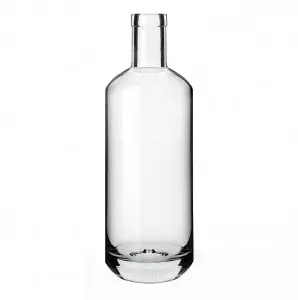
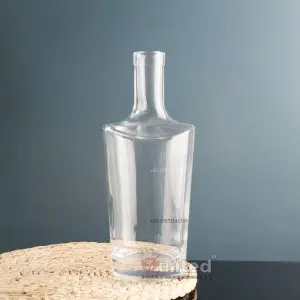
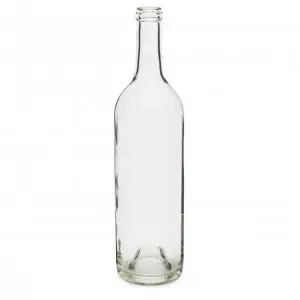
Procuring structural packaging at container scale involves managing ocean freight, custom house clearances, and last-mile mountain transport in the Balkan region. Distilleries situated in Montenegro typically utilize maritime imports through the Port of Bar (Luka Bar). This deepwater port handles standard 20-foot and 40-foot Dry Van (DV) containers, as well as Open Top configurations for palletized glass.
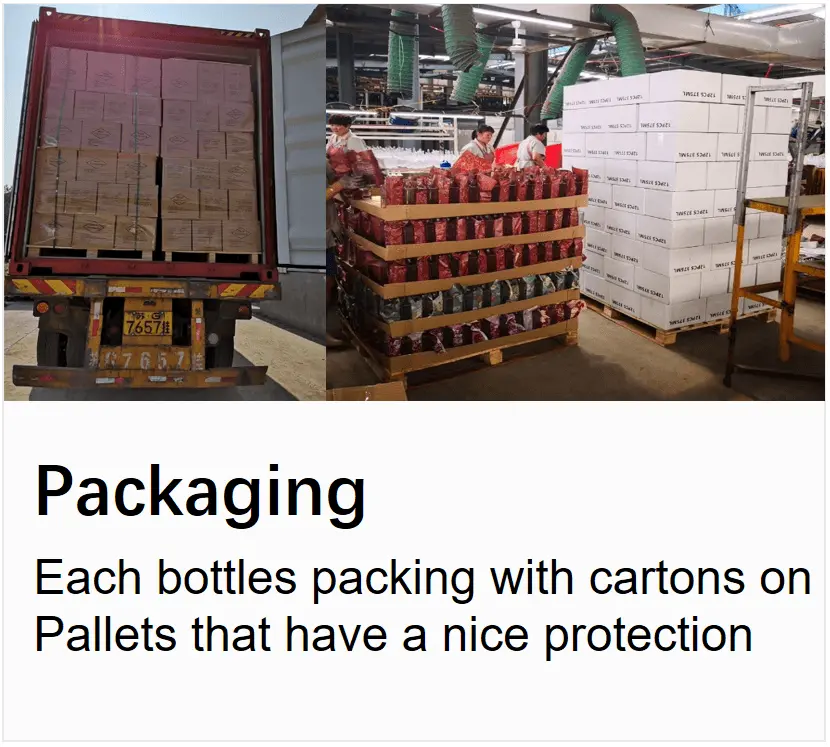
To safeguard against breakage during maritime transit, our packaging division uses high-durability, double-wall corrugated dividers and moisture-resistant shrink wraps on heat-treated ISPM-15 export pallets. The moisture barrier is vital: temperature swings during the ocean voyage from East Asian manufacturing centers to the Mediterranean can cause condensation ("container rain"). If left unchecked, this moisture can react with the glass surface, leading to sodium carbonate bloom, a cloudy residue that requires extensive acid washing to clean. By utilizing custom plastic shrouds and desiccant packs, we ensure that every bottle arrives clean and ready for direct conveyor line feeding.
Once cleared at the Port of Bar, the overland route via the Podgorica-Kolašin highway presents challenges due to steep mountainous terrain. Pallets must be securely anchored inside trailers to withstand G-forces during transit. Our logistics team coordinates closely with Montenegrin customs brokers to ensure all documentation—including Certificate of Analysis (CoA), EU food-contact declarations, and detailed bill of ladings—is prepared in advance. This minimizes holding times at the border and avoids costly demurrage charges.
When vetting international glass bottle manufacturers, procurement directors must focus on manufacturing controls that guarantee batch-to-batch consistency. A professional quality checklist includes:
Our manufacturing and processing lines are fully aligned with international standards for food safety, glass durability, and logistics management.
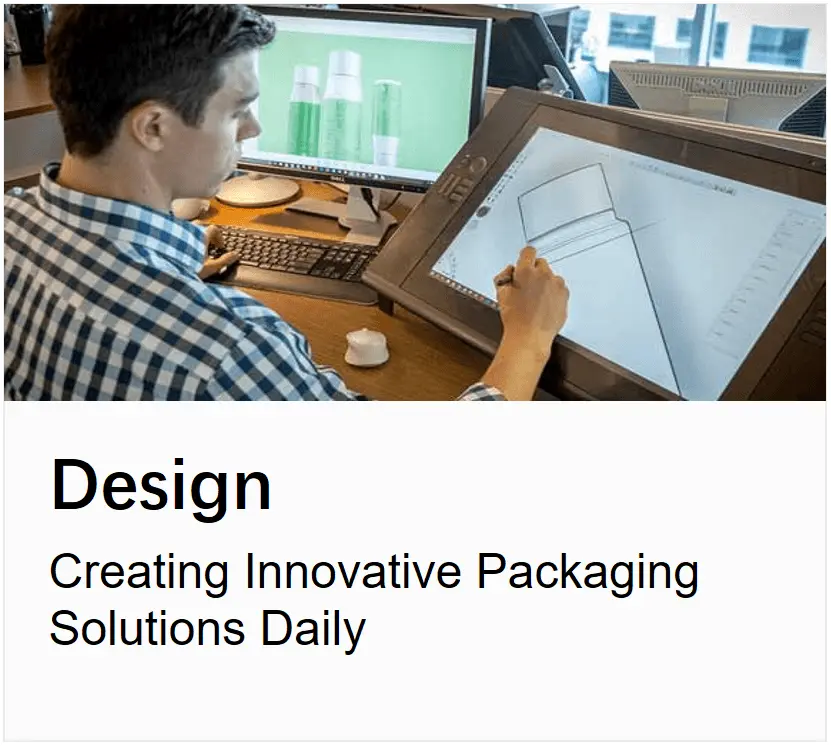
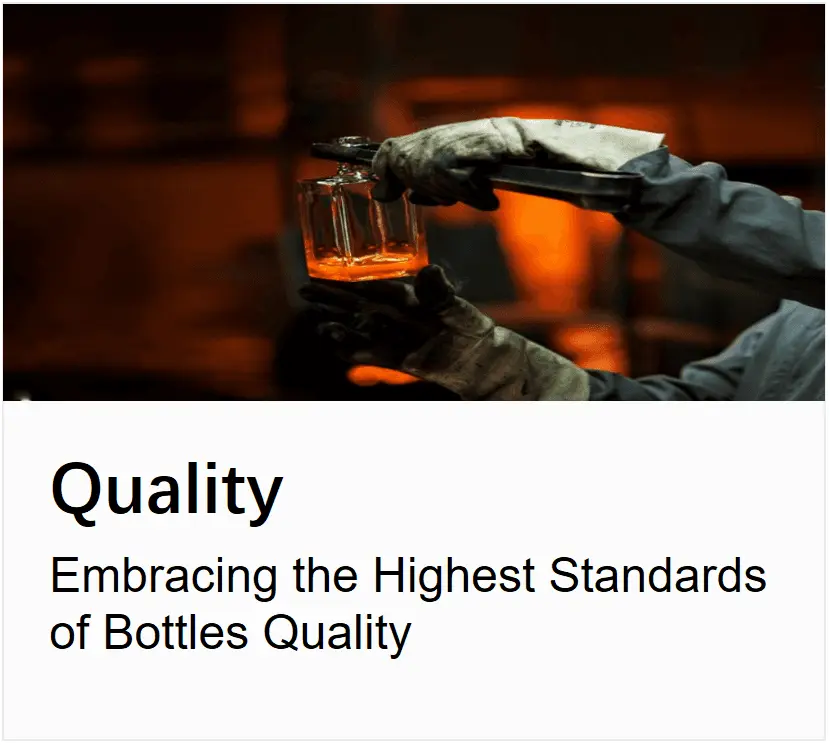

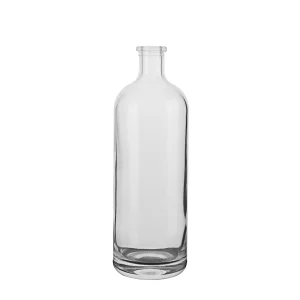
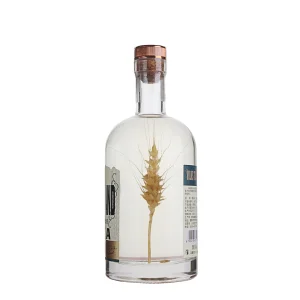
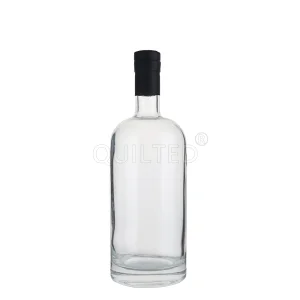
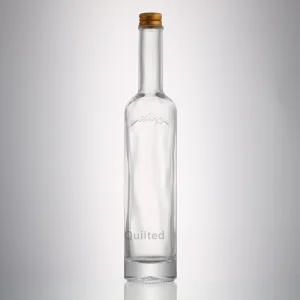
Explore our standard shapes, finishes, and volumes, available for direct distribution to Montenegrin distilleries and wholesale operations.
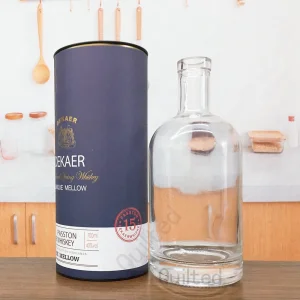
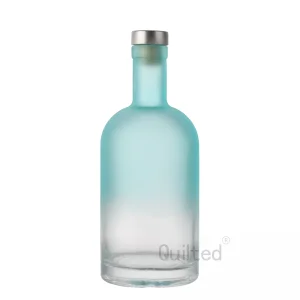
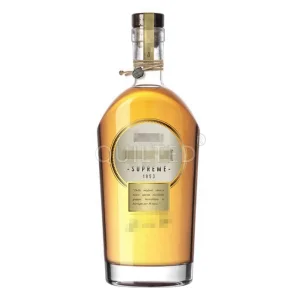
The future of glass bottle manufacturing lies at the intersection of environmental sustainability and smart automation. As European distributors shift toward stricter carbon accounting, we are redesigning our industrial melting processes to support lower emissions and increased recyclability.
Our roadmap includes upgrading our furnaces to run on hybrid electric-gas power, reducing carbon emissions by up to 20% compared to traditional fossil-fuel designs. Additionally, we are actively implementing lightweighting technology. By adjusting the glass distribution inside the mold, we can reduce the overall weight of a standard 750ml gin bottle by 10% to 15% without sacrificing mechanical strength. This results in reduced raw material consumption and lower transport emissions, providing a direct benefit to Montenegrin importers focused on sustainable supply chains.
At the plant level, we are introducing AI-driven optical scanners on our cold-end inspection lines. These systems use high-definition cameras to scan every bottle in real time, catching microscopic flaws, bubbles, or neck finish errors before they reach the packaging stage. This ensures a consistent supply of food-grade, high-durability glassware for distilleries in Montenegro and across Europe.
Technical details, compliance questions, and logistics explanations for distillers, wineries, and spirit producers in the Adriatic region.
For standard glass designs kept in inventory, the MOQ can be as low as 10,000 units. For completely custom designs that require new mechanical molds, the starting MOQ is typically 20,000 to 30,000 bottles per run. This allows us to cover setup and stabilization costs for our high-capacity automatic IS glass-blowing machines.
Most bulk shipments are loaded into standard 40ft High Cube containers and sent via ocean freight to the Port of Bar (Luka Bar). From there, the containers undergo customs clearance and are transported overland to your warehouse or bottling plant in Podgorica, Nikšić, Cetinje, or the coast.
Yes, our entire manufacturing process conforms to EU regulations, including Regulation (EC) No 1935/2004 for materials intended to come into contact with food. Our products carry SGS and FDA certifications, making them compliant with both European and American food safety requirements.
We offer a wide range of secondary decoration options, including frosted finishes, custom silk-screen printing with high-durability organic inks, hot foil stamping (gold, silver, and copper), spray coating (both glossy and matte), and custom label embossing directly on the glass body.
Every production batch undergoes structural testing, including hydrostatic pressure checks, vertical load tests, and thermal shock cycles. Additionally, our dual-treatment process (hot-end and cold-end coatings) reduces friction between bottles, protecting them from scratches and micro-cracks on high-speed conveyor lines.
We supply bottles with GPI/GCMI standard thread neck finishes, GPI cork mouth configurations (tapered or flat cork finishes), and ROPP (Roll-On Pilfer-Proof) thread profiles. Custom cork options include natural wood tops, synthetic composite T-corks, and glass stoppers.
Get in touch with our engineering and logistics specialists to receive detailed spec sheets, request custom mold pricing, or arrange for free sample shipments directly to Montenegro.
Send Inquiry Now QLT Glass